


As of February 2026, the UK solar market is busier than it has ever been. With energy prices remaining a primary concern for most households and the 2030 climate targets looming, thousands of homeowners are finally making the leap into renewable energy. But here’s the reality we see at DES Renewable Energy every day: as demand increases, so does the number of "Solar Cowboys."
You’ve likely seen the adverts: "Get a full solar system for £2,999" or "Zero-cost solar for life." These offers often come from companies that didn't exist two years ago and likely won't exist two years from now.
Choosing a solar partner isn't just about who can get panels on your roof the fastest or the cheapest. It’s about who will be there in 2041 when your inverter needs a service or you want to integrate a new EV charger. In this guide, I want to pull back the curtain on the industry and show you how to distinguish the high-street specialists from the fly-by-night cowboys.
What Exactly is a "Solar Cowboy"?
In the renewable energy world, a "cowboy" isn't necessarily a rogue trader working out of the back of a van (though they do exist). More commonly, they are high-pressure sales organisations. They treat solar panels like a commodity: no different from selling a toaster or a vacuum cleaner.
The "Solar Cowboy" business model is simple:
- Aggressive Marketing: Huge spends on social media ads with "too good to be true" pricing.
- The Quick Sale: They want a deposit signed on the first visit, often using "today-only" discounts.
- Subcontracted Labour: They don't have their own installers. They hire whoever is cheapest and available that week.
- Zero Aftercare: Once the system is commissioned and the final payment clears, they vanish. If a component fails three years later, you’ll find their phone line is disconnected or the company has been dissolved and "re-born" under a different name.
The Specialist Difference: A 25-Year Commitment
When you work with a specialist like DES Renewable Energy, you aren't just buying hardware; you are investing in a 25-year relationship. A specialist understands that how solar panels work is only the beginning. The real value lies in the engineering, the configuration, and the long-term support.
1. Detailed Energy Audits vs. "Best Guesses"
A cowboy will look at your house on Google Maps, see a roof, and give you a quote. A specialist will ask for 6–12 months of your electricity bills. Why? Because your solar panel installation guide should be based on your actual consumption patterns. Do you work from home? Do you have an electric vehicle? Do you run the heat pump at night? We need to know this to ensure you aren't over-spending on a system you don't need, or under-speccing a system that won't actually save you money.
2. Tier-1 Equipment Only
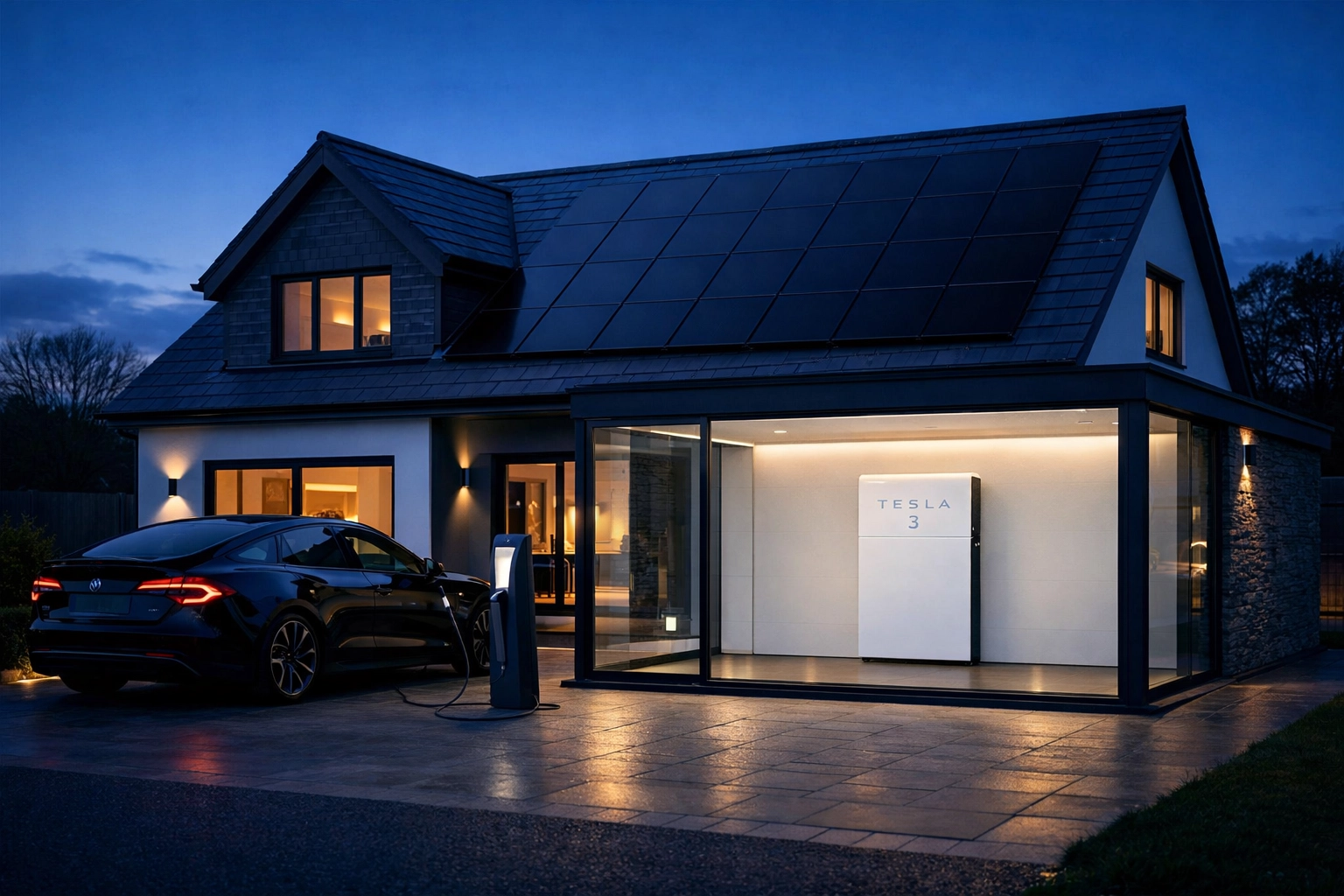
Cowboys often use "unbranded" or "white-label" panels and inverters to keep costs down. If that manufacturer goes bust in China, your warranty is worth the paper it’s printed on. Specialists stick to Tier-1 global leaders like Tesla and SolarEdge. When we install a Tesla Powerwall 3, we know that Tesla has the financial staying power to honour their 10 or 13-year warranties.
3. Professional Accreditations
This is the "boring" stuff that actually saves your skin. If your installer isn't MCS (Microgeneration Certification Scheme) certified, you cannot access the Smart Export Guarantee (SEG). This means you can't get paid for the excess energy you send back to the grid. Specialists also hold NAPIT or NICEIC registrations, ensuring the high-voltage DC work on your roof is safe and compliant with UK building regulations.
Spotting the Red Flags
If you are currently speaking to an installer, keep an eye out for these "Cowboy" warning signs:
| Feature | The Solar Cowboy | The Specialist Partner |
|---|---|---|
| Survey | Done via phone or satellite image only. | In-person or detailed technical assessment. |
| Pressure | "Sign today for a 20% discount." | Provides a quote and gives you time to think. |
| Warranty | Vague promises of "lifetime" cover. | Clear, manufacturer-backed warranties. |
| Credentials | "Applied for" or missing MCS/NAPIT logos. | Fully accredited and verifiable. |
| Payment | Large upfront cash deposits (over 25%). | Fair deposit structures, often with insurance backing. |

Why Aftercare is the True Test of Quality
Installing solar panels is a bit like getting a high-end boiler. It’s a complex piece of electrical engineering that sits out in the British weather 365 days a year. Things can occasionally go wrong.
A "cowboy" company is structured for "New Sales Only." They don't have a service department. If your inverter stops communicating with your app, they don't have the staff to help you troubleshoot.
A specialist, however, prioritises aftercare. We know that keeping your system at peak performance is the only way you’ll see the ROI you were promised. This includes:
- Remote Monitoring: We can often see an error code before you even notice your production is down.
- Warranty Management: We handle the paperwork with the manufacturer so you don't have to.
- Future Upgrades: As battery technology evolves, a specialist can help you expand your system without needing a total overhaul.
The Financial Reality: Is it a Good Investment?
We are often asked, are solar panels a good investment in 2026? The answer is a resounding yes: but only if the system lasts.
If you pay £6,000 for a "cowboy" system that fails in year 4 and has no warranty, your "savings" are wiped out by repair costs. If you pay £8,000 for a specialist system that runs flawlessly for 25 years, your cost-per-kWh becomes incredibly low.
In the UK, a well-designed system can pay for itself in 6 to 10 years. After that, it’s essentially "free" energy for the next decade and a half. Choosing a specialist ensures that the "payback period" actually happens.

5 Questions to Ask Any Potential Installer
Before you sign any contract, ask these five questions. A specialist will answer them with ease; a cowboy will start to sweat.
- "Can I see your MCS and NAPIT registration numbers?" (Then, verify them on the official websites).
- "What happens if the manufacturer of these panels goes bust?" (A specialist will explain how their Tier-1 choices mitigate this).
- "Do you have a dedicated after-sales or service team?"
- "Can you show me a case study of a similar house you’ve done locally?"
- "Will you provide a full performance estimate based on my specific roof orientation and shading?"
Building a Future-Proof Home
At DES Renewable Energy, we believe in embracing green homes by doing things right the first time. We aren't interested in being the cheapest in the UK; we are interested in being the best.
Whether you are looking for a complete guide to solar panels for homes or you are a business owner looking for the benefits of renewable energy for businesses, the principle remains the same: Choose a partner who is as invested in your roof as you are.
The "Solar Cowboys" will come and go with the seasons. But renewable energy is a marathon, not a sprint. When you're ready to make a serious, long-term investment in your home’s future, we’re here to ensure you do it right.
Ready to see what a specialist installation looks like?
Contact our team at DES Renewable Energy for a transparent, no-pressure consultation. Let’s build a system that’s here for the long haul.