


If you're considering solar panels for your home in 2026, you've probably hit the big question: should you add battery storage, or stick with panels alone?
It's not a simple answer. Battery storage adds thousands to your upfront costs, but it can also transform how much you actually save over the long haul. The right choice depends on your energy habits, your tariff, and what you're trying to achieve beyond just cutting bills.
Let's break down the numbers, compare real-world savings, and work out which option makes the most financial sense for your home.
The Upfront Investment: What You'll Actually Pay
Here's where the sticker shock hits: or doesn't, depending on your budget.
Solar panels only:
A typical 4kW system for a 3-bedroom home costs between £6,000 and £9,000 fully installed. That includes panels, inverter, scaffolding, and labour. If you're going bigger: say, a 6kW system: expect closer to £10,000–£12,000.
Solar panels + battery storage:
Add a battery to that same system, and you're looking at £9,000–£17,000 total. A 5kWh battery (enough for a small family) adds roughly £3,000–£5,000. A larger 10kWh system (better for bigger households or heavy evening usage) can push the battery cost up to £6,000–£8,000.
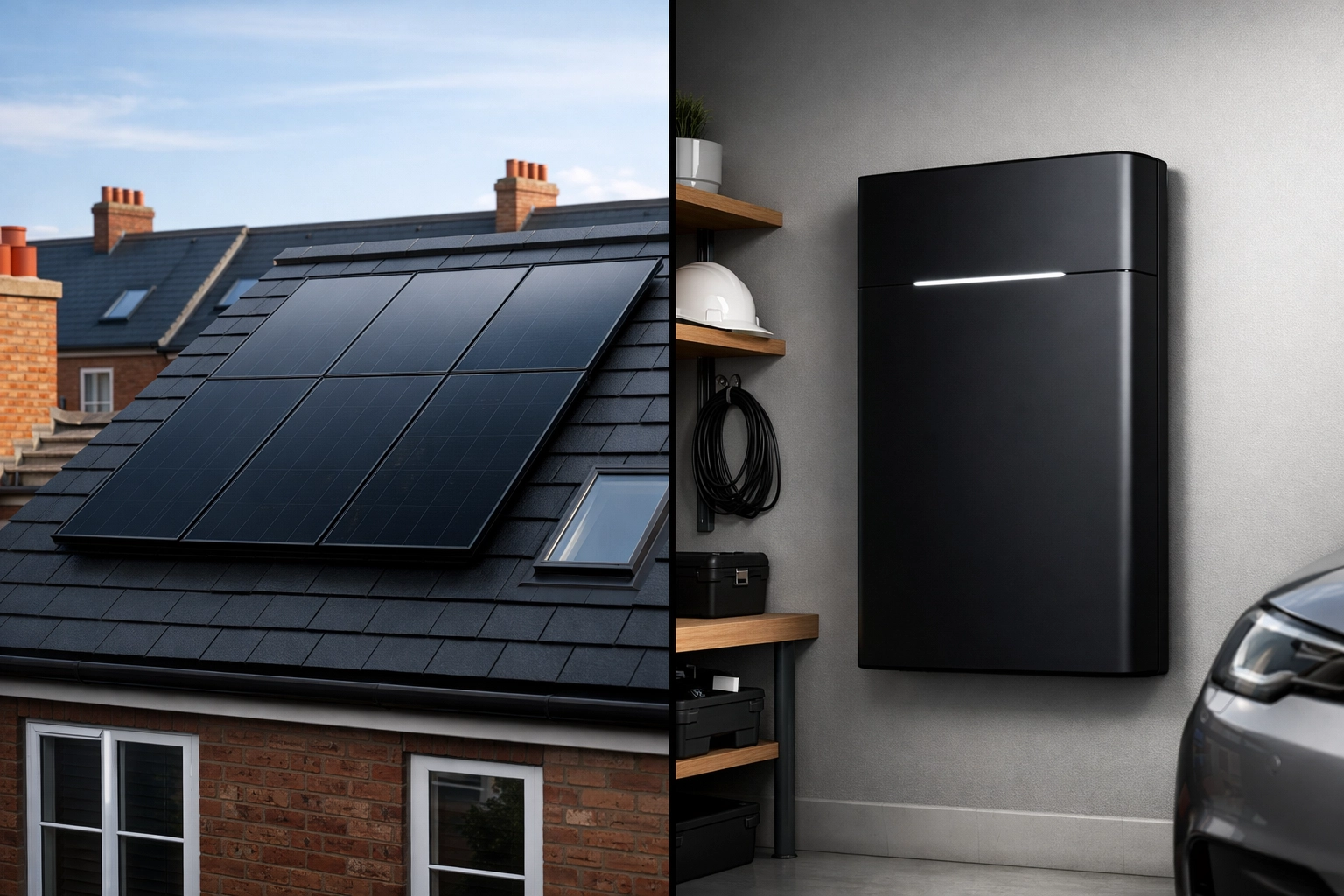
The gap is significant. But here's the thing: that battery isn't just a fancy add-on. It fundamentally changes how your solar system works: and how much you save.
| System Type | Typical Cost Range | What You Get |
|---|---|---|
| 4kW Solar Only | £6,000–£9,000 | Daytime generation, export payments via SEG |
| 4kW Solar + 5kWh Battery | £9,000–£14,000 | Daytime generation, evening self-consumption, backup power |
| 6kW Solar + 10kWh Battery | £13,000–£17,000 | Maximum generation, full evening coverage, grid independence |
How Each System Works (and Where Your Savings Come From)
Solar without a battery is straightforward. Your panels generate electricity during the day. You use what you need in real-time: running the dishwasher, charging devices, powering your fridge. Any excess electricity gets exported back to the grid, and you earn a small payment through the Smart Export Guarantee (SEG): typically 4–6p per kWh.
The problem? Most households use the bulk of their electricity in the evening: after the sun's gone down. Without a battery, you're back to drawing expensive grid electricity during peak times, often paying 25–35p per kWh or more.
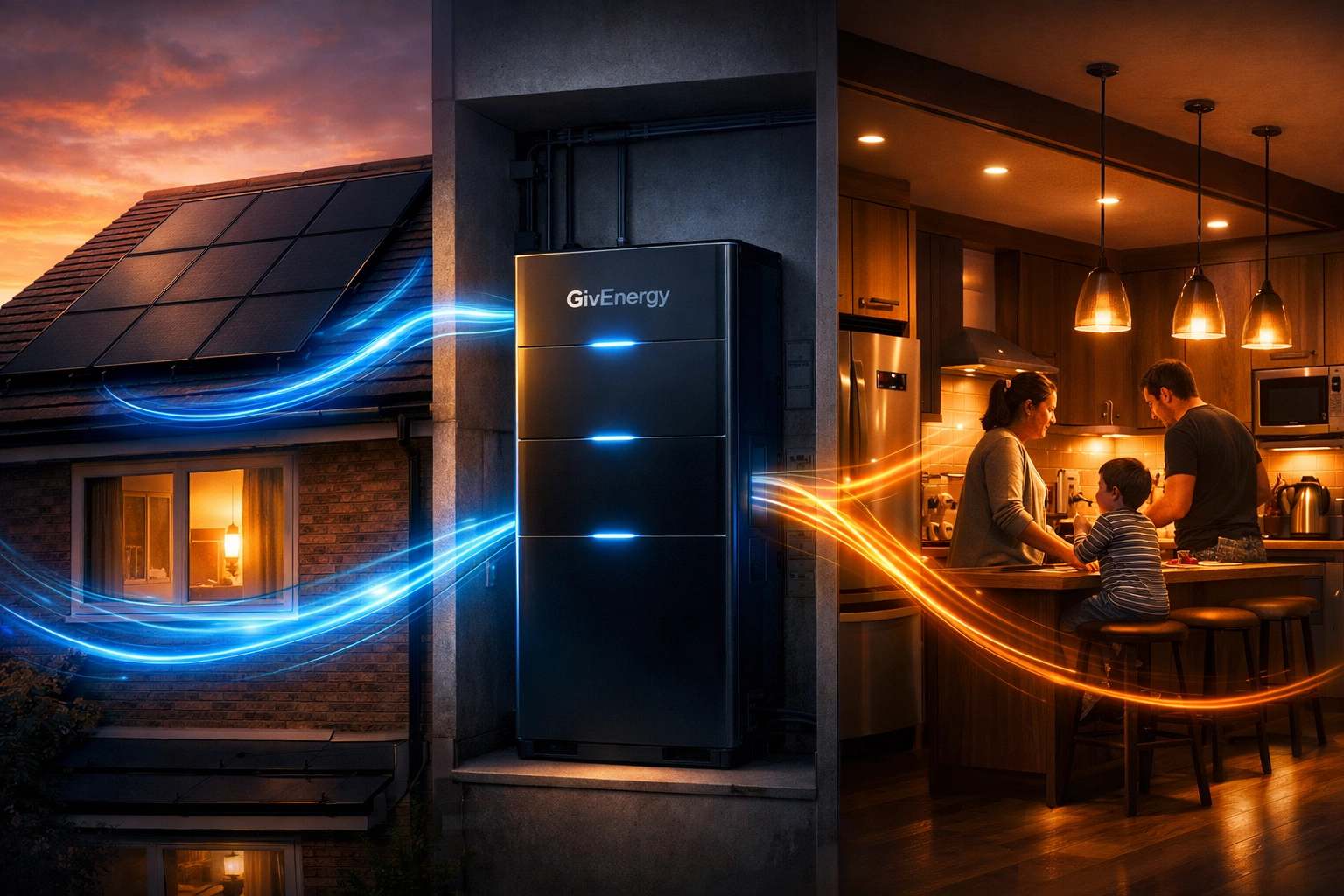
Solar with battery storage flips the script. Instead of exporting your excess daytime generation for pennies, you store it in your battery. Then, when you get home from work, cook dinner, or settle in for the evening, you're using your own stored solar energy: not grid electricity.
You're avoiding those high evening rates, and you're only exporting what your battery can't hold. That shift from exporting at 5p to self-consuming at 30p is where the real savings kick in.
The Long-Term Savings: Solar Only vs Solar + Battery
Let's get specific. Here's what the average UK household can expect to save over a 25-year period (the typical lifespan of solar panels).
Solar Panels Only
A 4kW solar system generates around 3,500–4,000 kWh per year in the UK. If you're home during the day and using 30–40% of that directly, and exporting the rest, you'll save roughly:
- £400–£600 per year in reduced electricity bills
- £100–£150 per year from SEG export payments
- Total annual saving: £500–£750
Over 25 years, that's £12,500–£18,750 in savings. Factor in electricity price rises (which historically average 3–5% per year), and you could be looking at £20,000–£30,000 in total lifetime savings.
Payback period: 8–12 years, depending on your usage and electricity rates.
Solar Panels + Battery Storage
Now add a battery. You're storing 60–80% of your generation instead of exporting it. That means:
- £700–£1,000 per year in reduced electricity bills (because you're avoiding peak rates)
- £50–£100 per year from SEG payments (you're exporting less)
- Total annual saving: £750–£1,100
Over 25 years, you're saving £18,750–£27,500. Add in price inflation, and you're closer to £30,000–£45,000 in lifetime savings.
The battery itself adds £1,500–£2,500 in additional annual value over solar alone. Over a 10-year battery lifespan, that's £15,000–£25,000 in extra savings before you'd need to replace it.
Payback period: 7–11 years for the full system.
| Scenario | Annual Saving | 25-Year Total | Payback Period |
|---|---|---|---|
| Solar Only (4kW) | £500–£750 | £20,000–£30,000 | 8–12 years |
| Solar + Battery (4kW + 5kWh) | £750–£1,100 | £30,000–£45,000 | 7–11 years |
Beyond the Numbers: Why Battery Storage Does More Than Save Money
Financial savings are the headline act, but batteries bring other benefits that are harder to quantify: but no less valuable.
Energy independence. With a battery, you're less reliant on the grid. During power cuts, your battery keeps essential circuits running: lights, heating controls, internet, fridge. For many households, that peace of mind is worth the investment alone.
Time-of-use tariff optimisation. If you're on a tariff like Octopus Agile or Octopus Go, you can charge your battery from the grid during dirt-cheap overnight periods (sometimes as low as 7–10p/kWh) and discharge it during expensive peak hours. This "grid arbitrage" can add another £200–£400 to your annual savings.
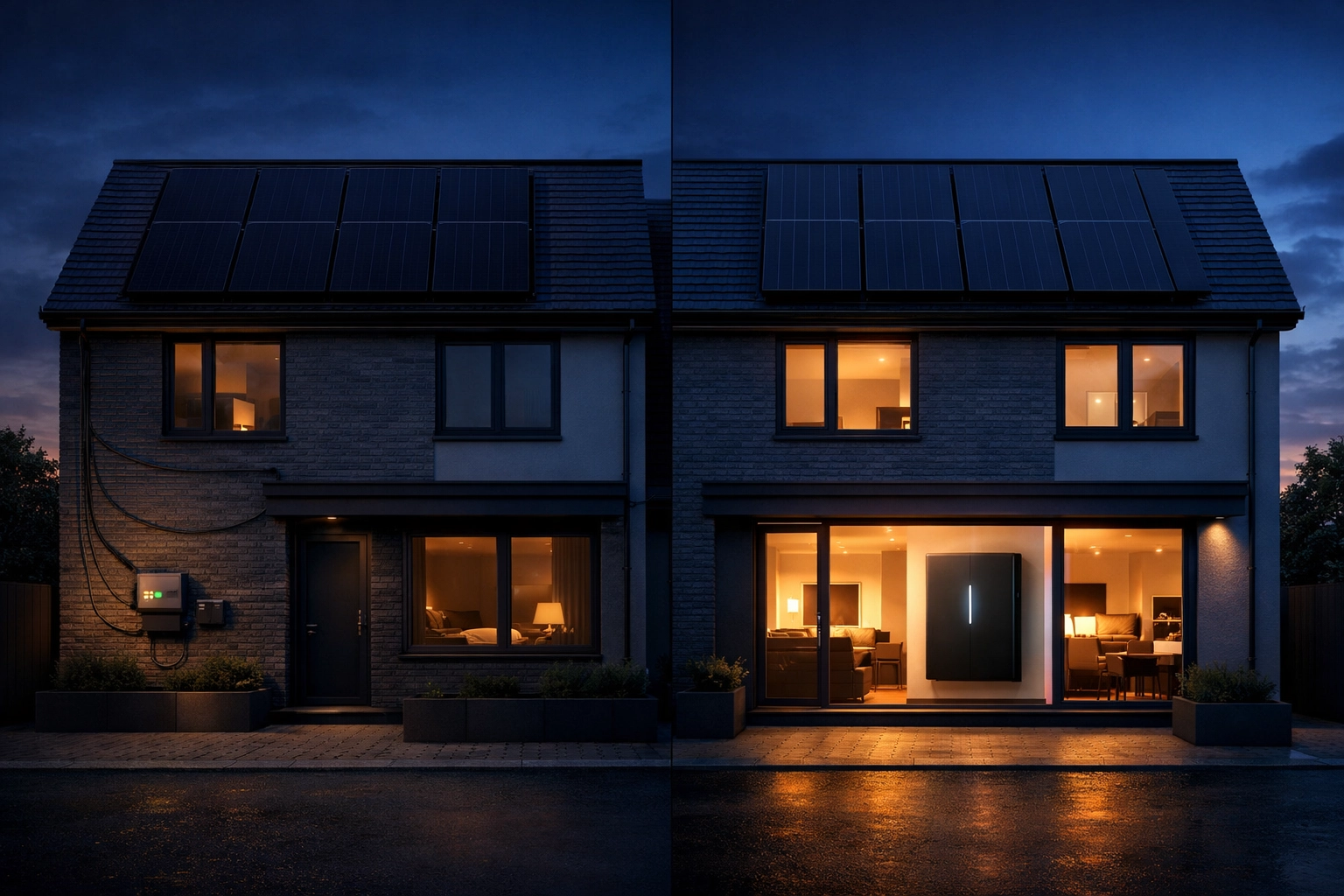
Property value. Homes with solar-plus-storage systems are increasingly attractive to buyers. While hard data is still emerging, estate agents report that energy-independent homes are commanding premiums: especially as energy security becomes a bigger concern for UK households.
Virtual power plant participation. Some battery providers (like Octopus Energy with Tesla Powerwalls) offer schemes where you allow your battery to be used as part of a virtual power plant. You earn payments for providing grid stability, and you still get to use your stored energy. It's an emerging revenue stream, but it's one to watch.
When Does Battery Storage Make the Most Sense?
Battery storage isn't a no-brainer for everyone. Here's when it typically makes the strongest financial case:
- You're out during the day. If most of your energy use happens in the evening, a battery lets you shift your solar generation to when you actually need it.
- You're on a time-of-use tariff. The bigger the gap between peak and off-peak rates, the more a battery saves you.
- You live in an area with frequent power cuts. Backup power alone can justify the cost if grid reliability is an issue.
- You want maximum self-sufficiency. If reducing reliance on the grid is a priority (financial or philosophical), a battery delivers.
Battery storage makes less sense if you're home all day and already using most of your solar generation in real-time, or if you're on a flat-rate tariff with no peak pricing. In those scenarios, the extra cost is harder to justify purely on savings.
What's Changed in 2026?
Battery prices have been falling steadily, and 2026 is no exception. A 5kWh battery that cost £6,000 in 2022 now costs closer to £3,500–£4,500. Lithium iron phosphate (LFP) technology: used in systems like the Tesla Powerwall 3 and GivEnergy batteries: has become the standard, offering longer lifespans (12–15 years) and better performance.
Installer competition has also increased. More MCS-accredited installers are offering battery retrofits, and manufacturers are bundling panels and batteries into single packages with better warranties.
The Smart Export Guarantee rates have stayed relatively flat, but the gap between what you earn for exporting and what you pay for importing has widened. That makes self-consumption: what batteries enable: even more valuable.
So, Which Saves You More?
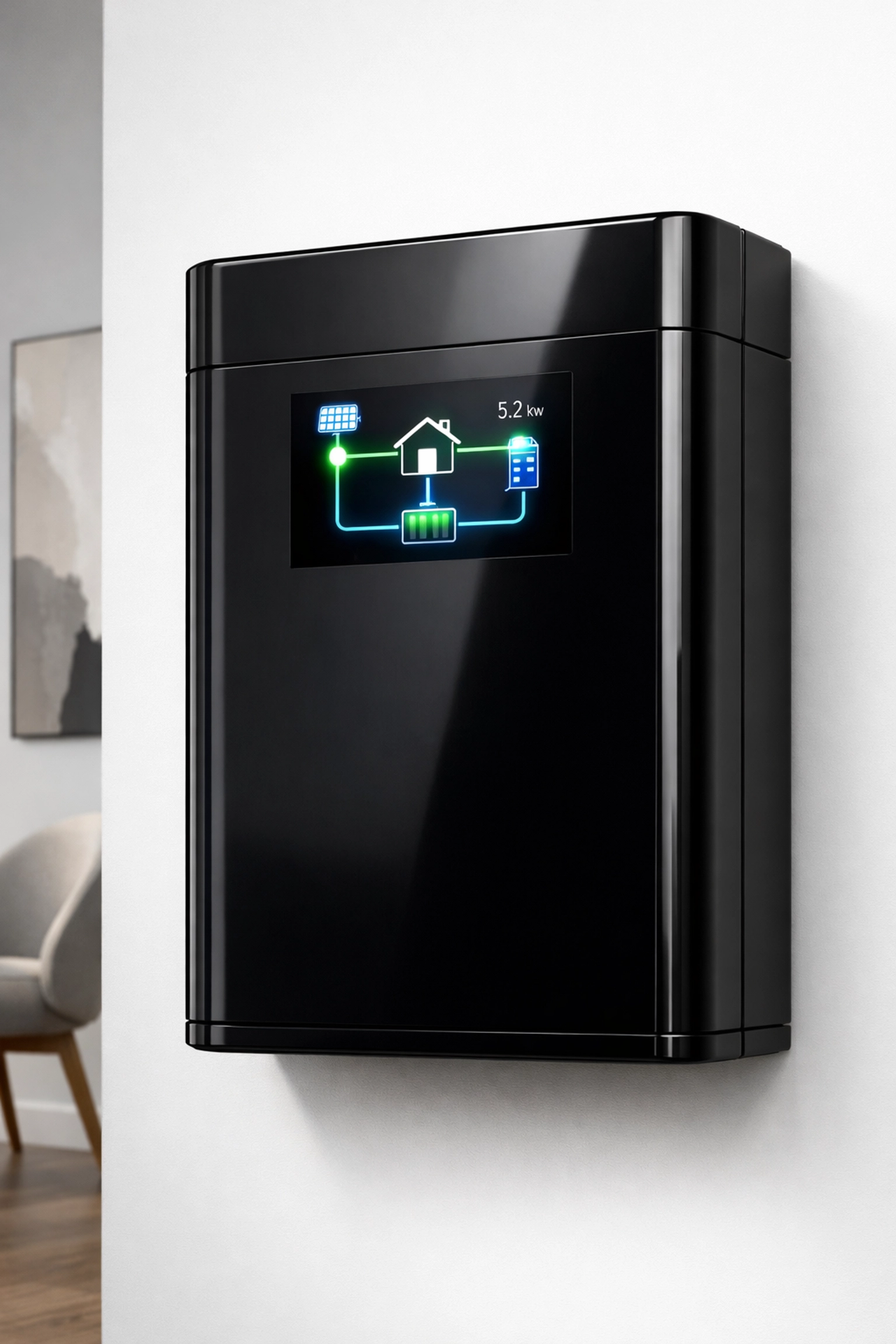
If we're talking pure lifetime savings, solar with battery storage wins: typically by £10,000–£15,000 over 25 years compared to solar alone.
But if upfront cost is your main concern, solar-only systems still deliver excellent returns with lower initial outlay. You can always retrofit a battery later (though doing it at installation is usually cheaper).
The best answer? It depends on your household. If you use most of your energy in the evening, want backup power, or you're on a time-of-use tariff, the battery pays for itself faster and delivers bigger long-term savings. If you're home during the day and can align your usage with solar generation, panels alone might be all you need.
What's Your Next Step?
If you're serious about solar, the smartest move is to get a personalised assessment. Every home is different: roof orientation, shading, energy usage patterns, and tariff structure all affect your savings.
At DES Renewable Energy, we specialise in helping UK homeowners compare solar-only and solar-plus-storage options with real data from your property. We'll calculate your expected generation, model your savings with and without a battery, and recommend the system that makes the most financial sense for your situation.
Book a free site survey and get a no-obligation quote that breaks down exactly what you'll save: whether that's with a battery or without.