


Thinking about getting solar panels in Bournemouth? You're not alone. More homeowners across Dorset are making the switch to solar energy: and for good reason. Lower energy bills, reduced carbon footprint, and increasing energy independence are just the start.
But before you dive in, there's quite a bit to consider. From roof orientation to choosing the right installer, the decisions you make now will affect your system's performance for the next 25+ years.
Here are 10 things every Bournemouth homeowner should know before going solar.
1. Your Roof Needs a Proper Assessment First
Not every roof is created equal when it comes to solar. Before any reputable solar panel installers in Bournemouth quote you a price, they should assess your property thoroughly.
What are they looking for? A few key things:
- Structural strength – Can your roof handle the weight of panels?
- Roof condition – Is it in good enough shape to last another 25 years?
- Available space – Do you have enough unshaded area for the panels you need?
If your roof needs repairs or replacement soon, it's worth sorting that before installation. Trust us: you don't want to remove panels in five years to fix tiles underneath.
2. Orientation and Angle Make a Real Difference
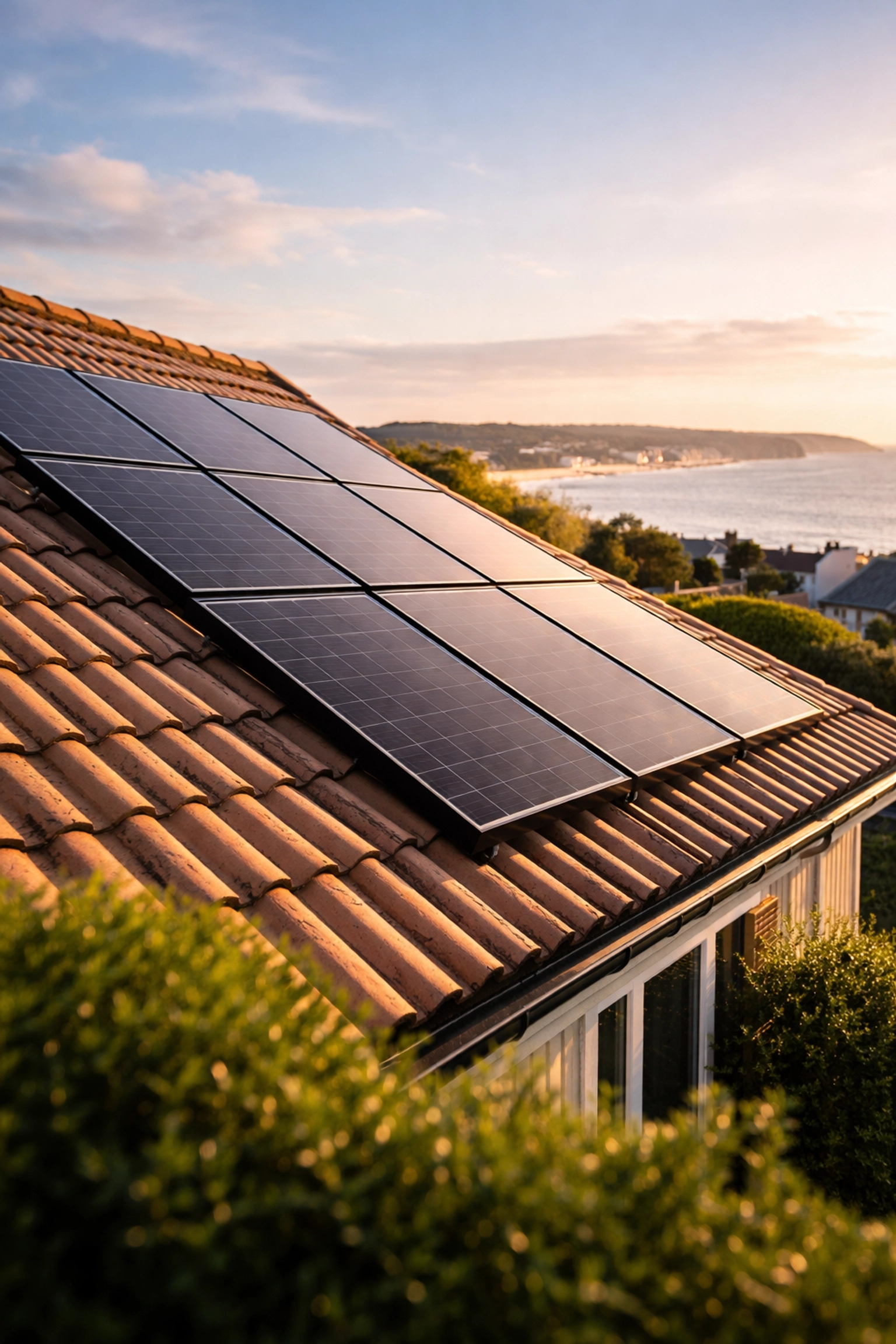
Here's where Bournemouth's geography works in your favour. The south coast enjoys some of the highest solar irradiance levels in the UK, meaning more sunlight hitting your panels throughout the year.
But to make the most of it, your roof orientation matters. South-facing roofs are ideal, capturing maximum sunlight throughout the day. East and west-facing roofs work too: you'll just generate slightly less overall.
As for angle, the sweet spot sits between 18 and 36 degrees. Most pitched roofs in the UK fall within this range, which is good news for the average Bournemouth home.
3. You Probably Don't Need Planning Permission
Here's something that surprises many homeowners: most domestic solar panel installation in Bournemouth falls under permitted development rights. That means no planning application required.
There are exceptions, though. You'll need to check with the local authority if:
- Your home is a listed building
- You live in a conservation area
- You're planning a ground-mounted system
- The panels would protrude more than 200mm from your roof
A good installer will help you navigate this during the consultation stage: so you're not left guessing.
4. Understanding Your Energy Usage Helps You Size the System Right
One question we get asked constantly: "How many panels do I actually need?"
The answer depends entirely on your household's energy consumption. A family of four running multiple appliances, working from home, and charging an EV will need a much larger system than a retired couple.
Here's a rough guide based on annual electricity usage:
| Annual Usage | Recommended System Size | Approximate Panel Count |
|---|---|---|
| 2,000 kWh | 2-3 kW | 5-7 panels |
| 3,500 kWh | 3-4 kW | 8-10 panels |
| 5,000 kWh | 4-5 kW | 10-13 panels |
| 7,000+ kWh | 5-6 kW+ | 13-16+ panels |
These are ballpark figures. Your installer should analyse your actual bills and usage patterns to recommend the right size. Want to dig deeper into this? Our guide on how many solar panels you need breaks it down further.
5. Component Quality Matters More Than You Think
Not all solar panels are created equal. And the same goes for inverters, mounting systems, and wiring.
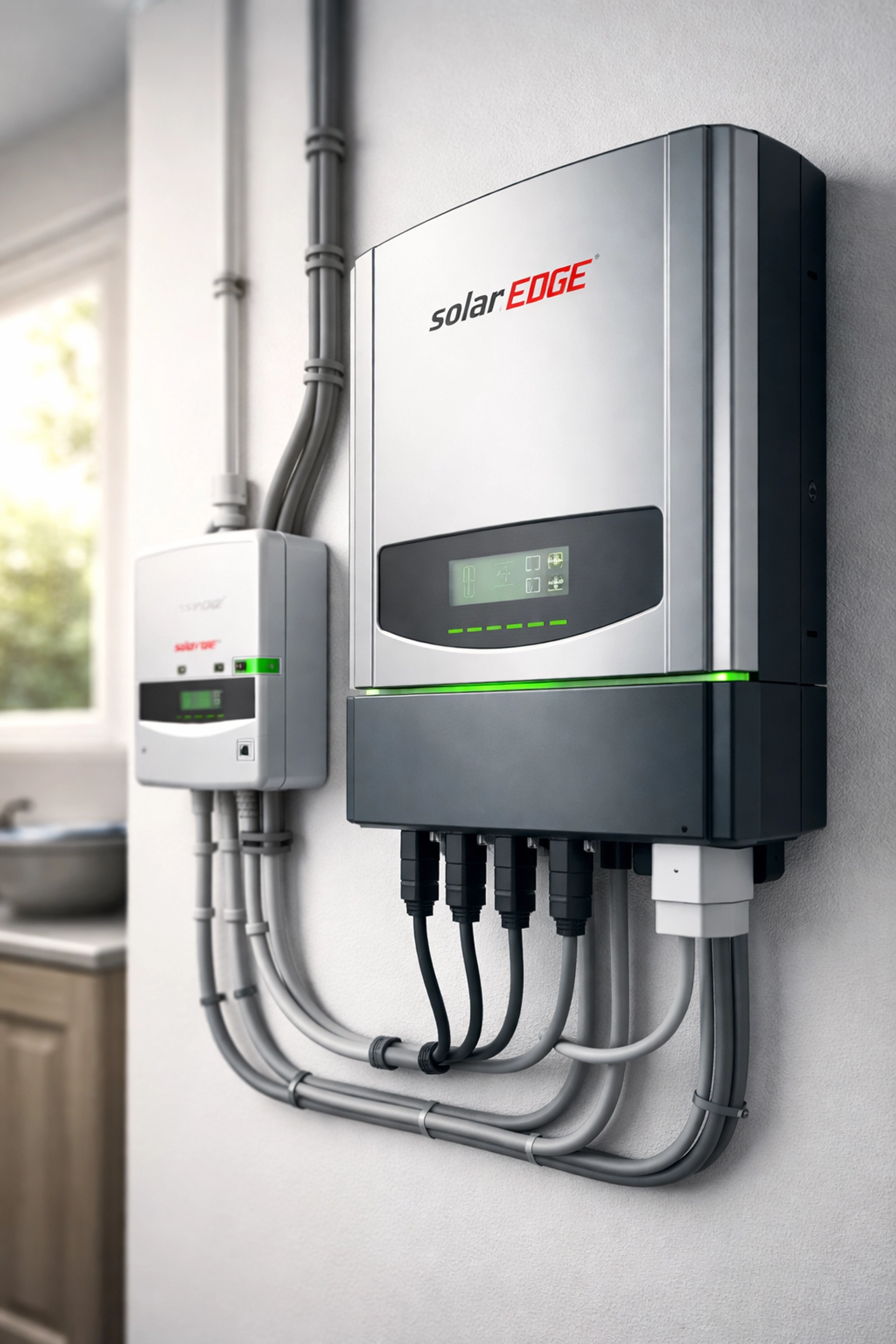
We're big believers in using premium components like SolarEdge inverters because they optimise each panel individually. That means if one panel is shaded or underperforming, it doesn't drag down your whole system.
Cheaper systems might save you money upfront, but they often come with:
- Lower efficiency ratings
- Shorter warranties
- Higher degradation rates over time
When you're making a 25-year investment, the difference between budget and quality components adds up significantly.
6. Certifications Tell You a Lot About Your Installer
Here's something many homeowners overlook: not all solar panel installers in Bournemouth are certified equally.
Look for installers who hold:
- MCS certification – This is essential for accessing the Smart Export Guarantee (SEG), which pays you for excess electricity exported to the grid
- NAPIT certification – Demonstrates electrical competence and compliance with building regulations
- Manufacturer certifications – Like Tesla Powerwall Certified for battery installations
These certifications aren't just badges. They're your assurance that the installer meets industry standards, uses qualified electricians, and will install your system correctly.
At DES Renewable Energy, we hold all three. It's not about showing off: it's about giving you peace of mind that your installation is done properly.
7. Installation Typically Takes Just Two Days
Once you've had your consultation, survey, and signed off on the design, the actual installation moves surprisingly fast.
For most residential properties, expect the process to take around two days:
Day One:
- Scaffolding goes up
- Mounting rails installed on your roof
- Panels positioned and secured
Day Two:
- Inverter installed (usually in your garage, loft, or utility room)
- Electrical connections completed
- System tested and commissioned
- Handover and walkthrough with you
The inverter sits in a cool location away from direct sunlight to prevent overheating and extend its lifespan. Your installer should explain exactly where everything's going before work starts.
8. Battery Storage is a Game-Changer (But Optional)
Solar panels generate electricity during daylight hours. But what happens when you're at work all day and only home in the evenings?
That's where battery storage comes in. A home battery stores excess energy generated during the day so you can use it when the sun goes down.
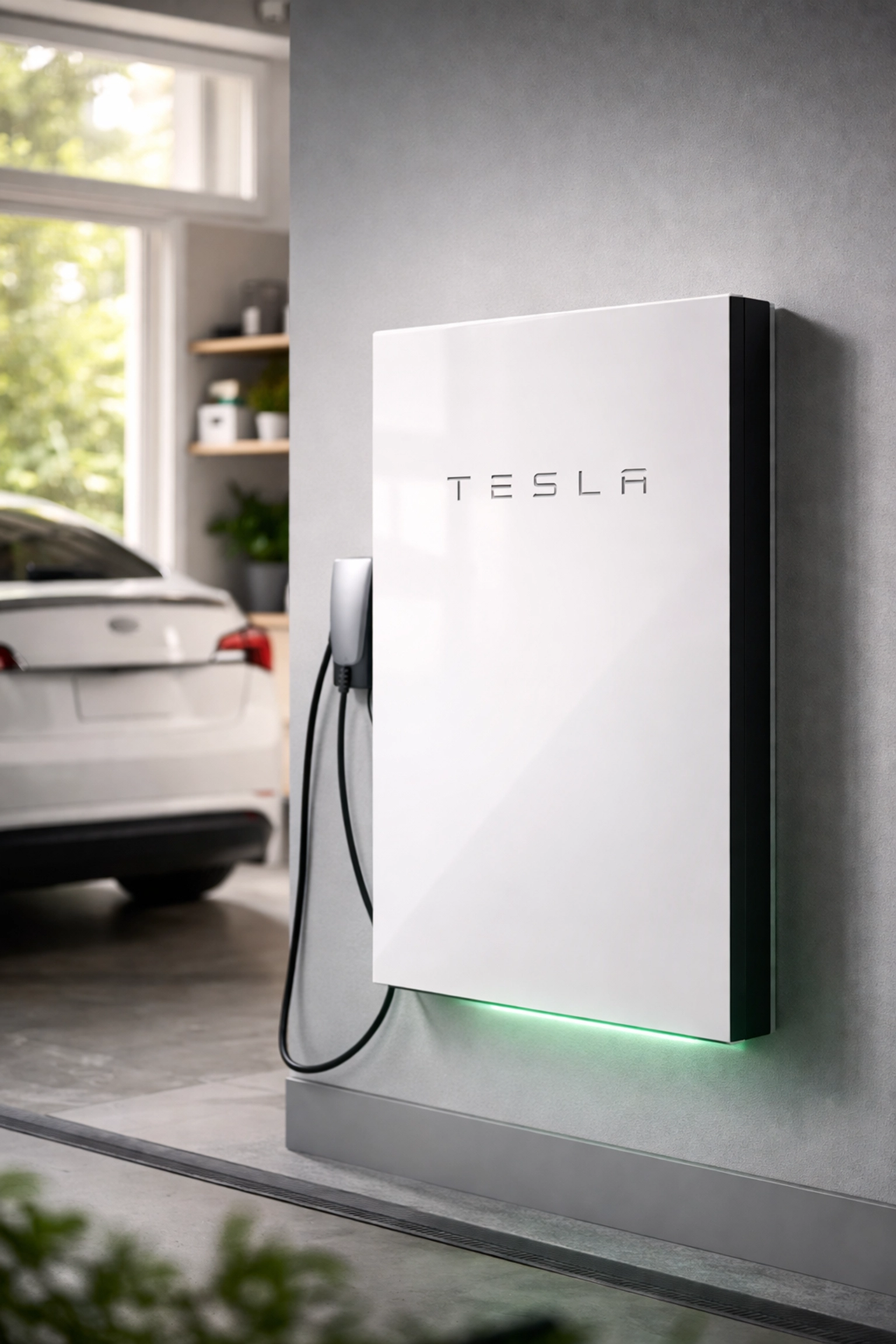
As Tesla Powerwall Certified installers, we fit one of the most reliable and efficient batteries on the market. The Powerwall stores 13.5 kWh of energy: enough to power most homes through an evening and night.
Is it essential? No. But if you want to maximise self-consumption and reduce reliance on the grid, it's worth serious consideration.
9. You Can Earn Money From Excess Energy
Remember the MCS certification we mentioned? Here's why it matters.
The Smart Export Guarantee (SEG) requires energy suppliers to pay you for electricity you export back to the grid. But you only qualify if your system is installed by an MCS-certified installer.
Current SEG rates vary between suppliers, typically ranging from 4p to 15p per kWh exported. It's not going to make you rich, but it does offset your investment over time.
Your installer should register your system with MCS and help you understand how to sign up with an SEG provider.
10. Maintenance is Minimal: But Don't Ignore It
One of the best things about solar panels? They're remarkably low-maintenance. No moving parts means very little can go wrong.
That said, a bit of attention goes a long way:
- Annual visual inspection – Check for debris, bird droppings, or damage
- Occasional cleaning – Especially if you're near trees or in areas with heavy pollen
- Inverter monitoring – Most modern systems let you track performance via an app
If your generation drops unexpectedly, that's usually a sign something needs attention. Our guide on common problems with solar panels covers what to watch for.
We also share regular tips and educational content on our YouTube channel: so you can keep learning long after installation.
Ready to Take the Next Step?
Getting solar panels in Bournemouth is one of the smartest investments you can make for your home and energy bills. But the key is working with an installer who takes the time to understand your property, your usage, and your goals.
At DES Renewable Energy, we guide you through every stage: from initial consultation and system design right through to installation and ongoing support. We're MCS-approved, NAPIT-certified, and Tesla Powerwall Certified because we believe quality matters at every step.
If you're ready to explore what solar could do for your home, get in touch with our team for a no-obligation chat. We'll assess your property, answer your questions, and help you make an informed decision.