


So, you’ve decided to make the switch to green energy. Whether you’re a homeowner in Bournemouth looking to slash those monthly bills or a business owner in Ferndown aiming to reduce your environmental impact, you’re making a smart move. Dorset is actually one of the sunniest spots in the UK, making it the perfect place for solar power.
But where do you start? Choosing from the various renewable energy installers in Dorset can feel like a bit of a minefield. You want someone who knows the local area, uses high-quality gear, and won’t leave you high and dry once the panels are on the roof.
To help you navigate the process, we’ve put together a guide on the ten things you absolutely must know before you sign on the dotted line. From MCS accreditation to the specifics of installing solar panels in Ferndown, we’ve got you covered.
1. Look for MCS Accreditation
This is the big one. If your installer isn't MCS-approved, you should probably keep looking. The Microgeneration Certification Scheme (MCS) is the gold standard for quality in the UK renewable energy industry.
Why does it matter to you? Well, without an MCS certificate, you won't be able to access the Smart Export Guarantee (SEG). This is the scheme that pays you for the extra electricity you send back to the grid.
At DES Renewable Energy Ltd, we are proud to be fully MCS-approved. It’s your guarantee that our work meets the highest technical standards and that your investment is protected.
2. Local Expertise Makes a Difference
You might be tempted by a massive national company, but there’s something to be said for local knowledge. An installer who understands the specific needs of homes in Christchurch or the planning nuances in Poole is invaluable.
Dorset has a unique coastal climate. We know how the salt air in Bournemouth might affect equipment differently than it would in mid-Wiltshire. Choosing renewable energy installers Bournemouth locals trust means you’re getting advice tailored to your specific postcode.
We work across the entire region, including:
- Bournemouth
- Poole
- Christchurch
- Ferndown
- Hampshire
- Wiltshire
3. Understand Your Roof’s Potential
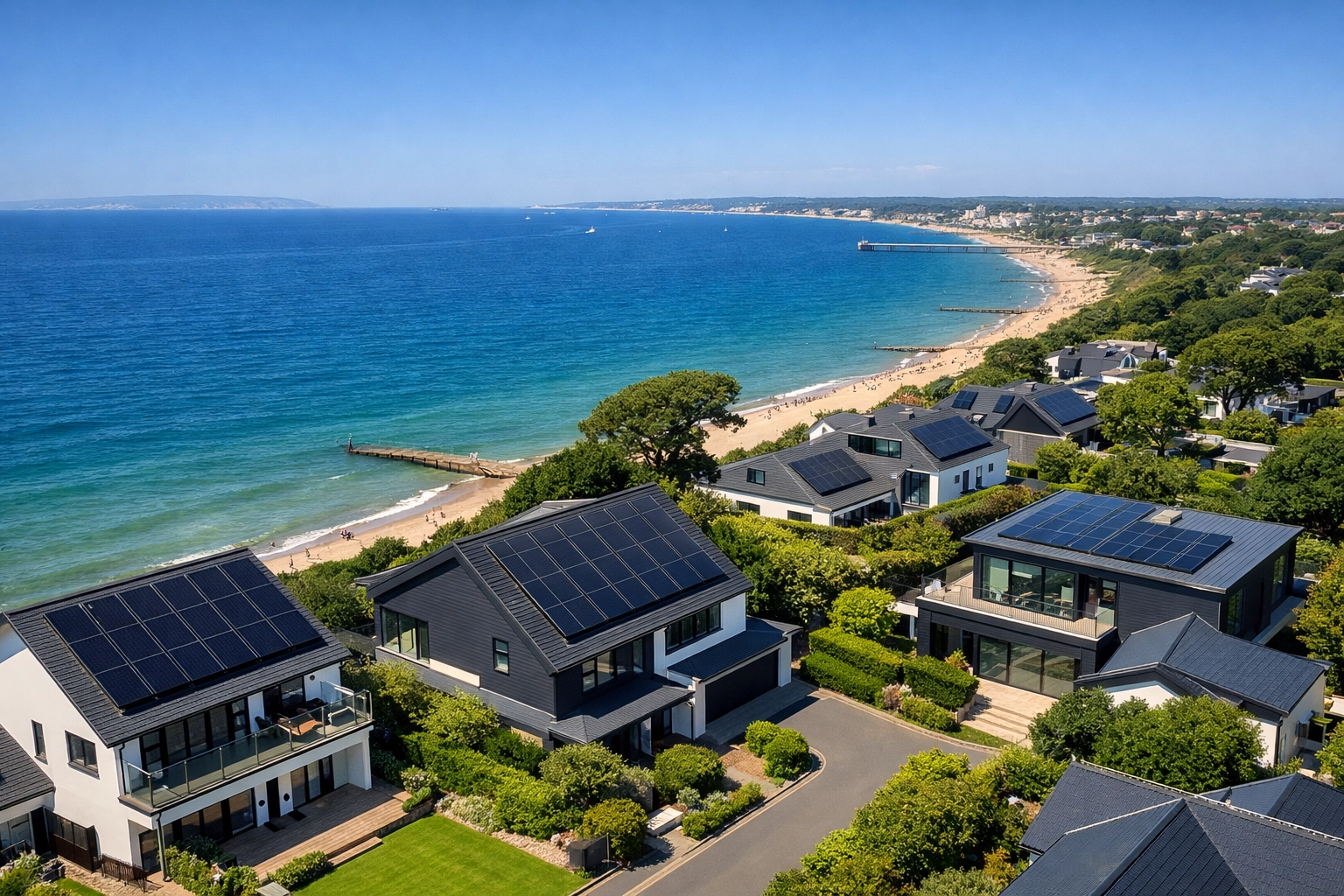
Before you get too excited about your new system, we need to talk about your roof. Most people think you need a perfectly south-facing roof to make solar work, but that’s not strictly true.
While south-facing roofs maximize production, east and west-facing roofs are still very effective. They might produce slightly less overall, but they often catch the morning and evening sun when you’re actually at home using electricity.
We’ll also need to check for shading. A single chimney or a large oak tree in your garden in Ferndown can significantly impact how your solar panels perform. We use advanced mapping tools to ensure your system is designed for maximum efficiency.
4. On-Roof vs. In-Roof: Which is Best?
When it comes to solar panels Ferndown homeowners usually have two choices: on-roof or in-roof systems.
On-roof systems are the most common. The panels sit on top of your existing tiles using a mounting frame. It’s quick to install and usually the most cost-effective option.
In-roof systems are a bit different. The panels actually replace a section of your tiles, sitting flush with the roofline. They look incredibly sleek and are often preferred for new builds or major renovations. But they are a bit more expensive, so it’s worth weighing up the aesthetics versus the cost.
5. Don’t Forget the Battery Storage
If you really want to maximize your savings, you need to talk about batteries. Solar panels produce the most energy during the middle of the day, but most of us use our energy in the morning and evening.
Without a battery, that excess energy goes back to the grid. With a battery, you store it for later. Imagine using the Dorset sunshine to power your TV and dishwasher at 9 PM.
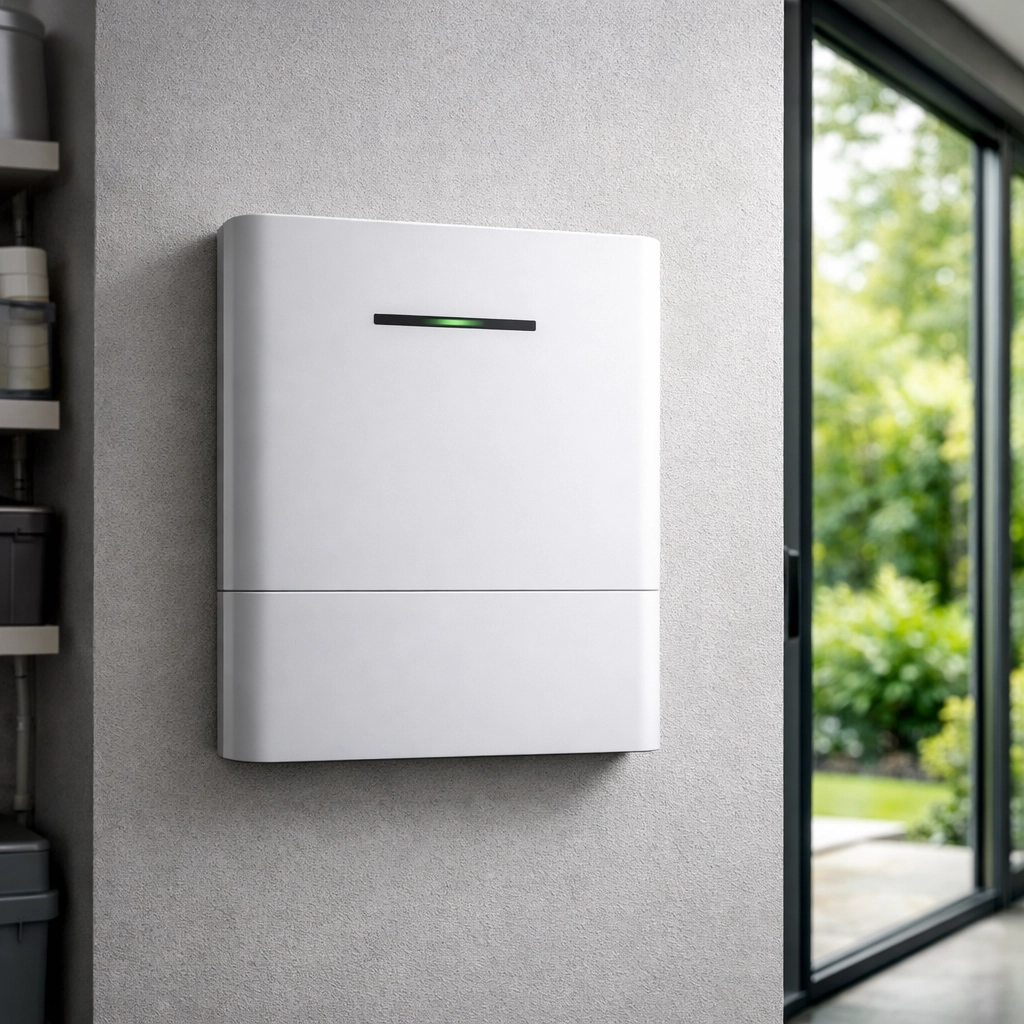
We are specialists in high-end storage solutions like the Tesla Powerwall. These systems allow you to become much more energy-independent and can even provide backup power during a local outage.
6. High-Quality Components Last Longer
It’s easy to be swayed by a bargain-basement price, but in the world of renewable energy, you really do get what you pay for. Cheap panels and inverters might work fine for a year or two, but will they last twenty-five?
We only use premium components from trusted manufacturers. This ensures your system stays efficient for decades, not just a few seasons. When you’re looking at solar panels Christchurch, ask your installer exactly what brand of panels and inverters they are using.
If they can't give you a clear answer, that’s a red flag. High-quality gear means fewer repairs and a much better return on your investment over time.
7. The Paperwork: We Take the Lead
Installing solar involves a fair bit of "behind-the-scenes" administrative work. You have to notify the Distribution Network Operator (DNO), register with the MCS, and handle various building compliance documents.
It sounds like a headache, doesn't it? And it can be. That’s why we handle all of it for you. From the initial permissions to the final certifications, we make sure everything is legal and logged correctly.
Whether you're looking for renewable energy installers Poole or anywhere else in Dorset, always ask if the paperwork is included in the price. You shouldn't have to chase the council or the energy grid yourself.
8. Financial Incentives and ROI
Is solar actually a good investment? In short: yes. With energy prices fluctuating, the ability to generate your own power is a massive financial win.
| Feature | Benefit |
|---|---|
| Lower Bills | You use your own free energy instead of buying from the grid. |
| SEG Payments | Sell your excess energy back to your supplier. |
| Property Value | Solar panels can make your home more attractive to buyers. |
| VAT Relief | Many domestic solar installations currently benefit from 0% VAT. |
Most of our customers find that their system pays for itself in savings much sooner than they expected. If you're curious about the numbers, you can check out our solar panel financial advice section for a deeper dive.
9. Maintenance and Long-Term Support
Solar systems are generally low maintenance, but "low" doesn't mean "no" maintenance. You’ll want to ensure your panels stay clean and that your inverter is checked periodically to ensure it's performing at its peak.
Choosing a local company means you have someone nearby if you ever need technical support. If a storm hits the Hampshire coast and you're worried about your array, you want to know your installer is just a phone call away.
We pride ourselves on our aftercare. We don't just fit and forget; we’re here to help you get the most out of your green energy for the long haul.
10. Every System Should Be Bespoke
Your energy needs aren't the same as your neighbor's. Maybe you have an electric vehicle to charge, or perhaps you run a home office. A "one-size-fits-all" kit is rarely the best solution.
A good installer will sit down with you and look at your actual energy usage patterns. They will design a system that fits your roof perfectly and meets your specific power demands.
Whether we are installing solar panels in Ferndown or designing a large-scale commercial system in Wiltshire, our approach is always tailored. We look at your goals: whether that's maximum ROI or minimum carbon footprint: and build the system around you.
Ready to Start Your Solar Journey in Dorset?
Making the switch to renewable energy is one of the best things you can do for your wallet and the planet. But it’s a big decision, and you deserve to have the best experts by your side.
If you’re in Bournemouth, Poole, Christchurch, Ferndown, or across Hampshire and Wiltshire, we’d love to chat. Our team is ready to help you navigate the technical bits and find a solution that works for your home or business.
Want to see what we’ve done for others in the area? Take a look at our case studies to see real-world examples of our work.
Ready for a personalized estimate? Head over to our solar quote page and let's see what we can do for you. Let's make the most of that Dorset sunshine together!