


If you’ve glanced at the news lately: specifically as we head into the spring of 2026: you’ve likely noticed a recurring theme: volatility. Between ongoing tensions in the Middle East and the resulting "yo-yo" effect on global oil prices, the energy market feels a bit like a rollercoaster that nobody actually volunteered to ride.
For many of us here in the UK, this isn't just a headline; it shows up on our monthly statements. With the latest energy price cap updates and Cornwall Insight forecasts suggesting that bills are remaining stubbornly high, achieving energy stability has moved from a "nice-to-have" to a genuine priority.
But how do you actually insulate your home or business from global events happening thousands of miles away? The answer lies in your loft, your garage, or on your utility wall. We’re talking about battery storage.
Whether you’re considering a Tesla Powerwall or a GivEnergy system, here are 10 essential things you should know about how battery storage provides the stability you’ve been looking for.
1. It Breaks the Link Between Global Conflict and Your Bills
When international markets get jittery due to geopolitical unrest, gas prices often spike. Because the UK still relies on gas for a significant portion of its electricity generation, your electricity bill usually follows suit. It feels unfair, doesn't it?
By installing a solar PV system paired with battery storage, you are effectively "growing your own" energy. Instead of being 100% reliant on the national grid: and by extension, the global oil market: you’re using power generated right on your roof. The more energy you store and use yourself, the less you have to buy at those volatile market rates. It’s the ultimate hedge against a world that feels increasingly unpredictable.
2. Solar Panels Don't Work at Night (But Your Battery Does)
This sounds obvious, but it’s the fundamental hurdle of renewable energy: intermittency. Your solar panels are rockstars at midday, often producing far more energy than your home actually needs. But once the sun dips over the horizon, they retire for the evening.
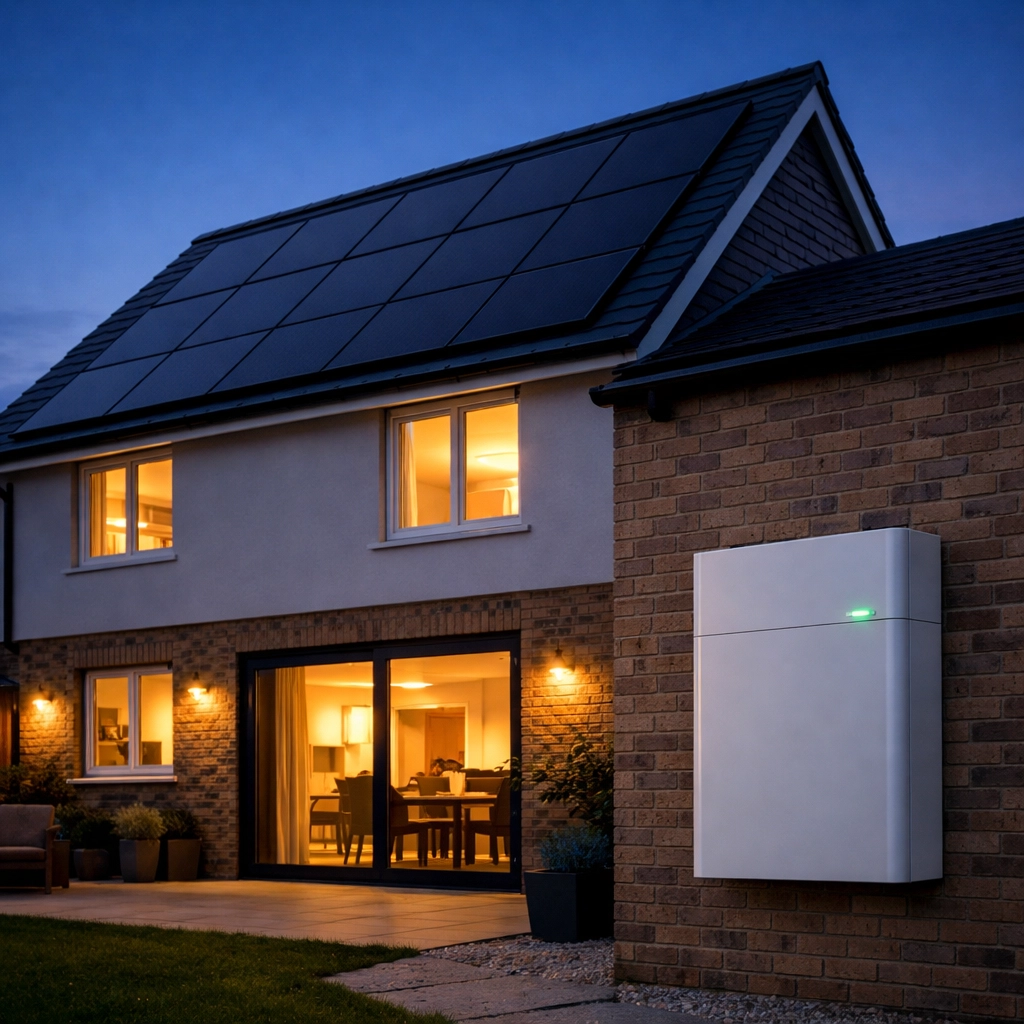
Without a battery, that excess midday energy is sent back to the grid. Then, at 7 PM when you’re cooking dinner and watching TV, you’re forced to buy energy back from the grid at peak prices. A battery storage system captures that "free" daytime energy so you can use it whenever you want. It turns a part-time energy solution into a 24/7 powerhouse.
3. "Peak Shaving" is Your New Best Friend
Have you heard of "Time of Use" tariffs? Many energy providers now offer cheaper rates during the night when demand is low. With a smart battery system like the GivEnergy range, you can perform something called "peak shaving."
Essentially, your battery can "top itself up" from the grid at 3 AM when prices are at their lowest. Then, during the expensive breakfast or dinner rushes, your home draws from the battery instead of the grid. You’re effectively buying your energy at a discount and using it when it’s most expensive. It’s a clever way to outsmart the system and keep your costs predictable.
4. Instant Backup Power When the Grid Fails
We’ve all been there: the lights flicker, the Wi-Fi cuts out, and suddenly you’re hunting for candles. As our weather patterns become more extreme and the grid faces higher demand, local power cuts are becoming a more frequent concern for UK homeowners.
A major benefit of systems like the Tesla Powerwall is their "Gateway" technology. If the grid goes down, the battery detects the failure in milliseconds and takes over the power supply to your home. You’ll barely notice the transition. While your neighbours are sitting in the dark, your fridge is still running, and your home office stays online.
5. You Become Your Own Personal Power Plant
Energy independence isn't just a buzzword; it’s a lifestyle change. When you have enough storage capacity, you can achieve high levels of self-sufficiency. Some of our customers in Dorset and across the South Coast have reached over 80% energy independence during the summer months.
Imagine only needing to buy 20% of your power from a utility company. That level of autonomy provides immense peace of mind. No matter what happens with the next Ofgem price cap or a sudden spike in fuel costs, your "personal power plant" keeps on humming. If you're curious about how this works, you can check out our expert help and advice section.
6. Batteries Are Faster Than the Grid
Traditional power plants are like giant tankers: they take a long time to speed up or slow down. If there’s a sudden surge in demand across the UK (like everyone turning on their kettles during a cup-final halftime), the grid can struggle to keep up.
Modern battery storage systems respond within milliseconds to changes in demand. This rapid responsiveness is why the National Grid actually pays some commercial battery operators to help balance the system. By having a battery in your home, you’re part of a high-tech, decentralized solution that makes the entire country’s energy network more resilient.
7. It’s the Hub for Your Entire Smart Home
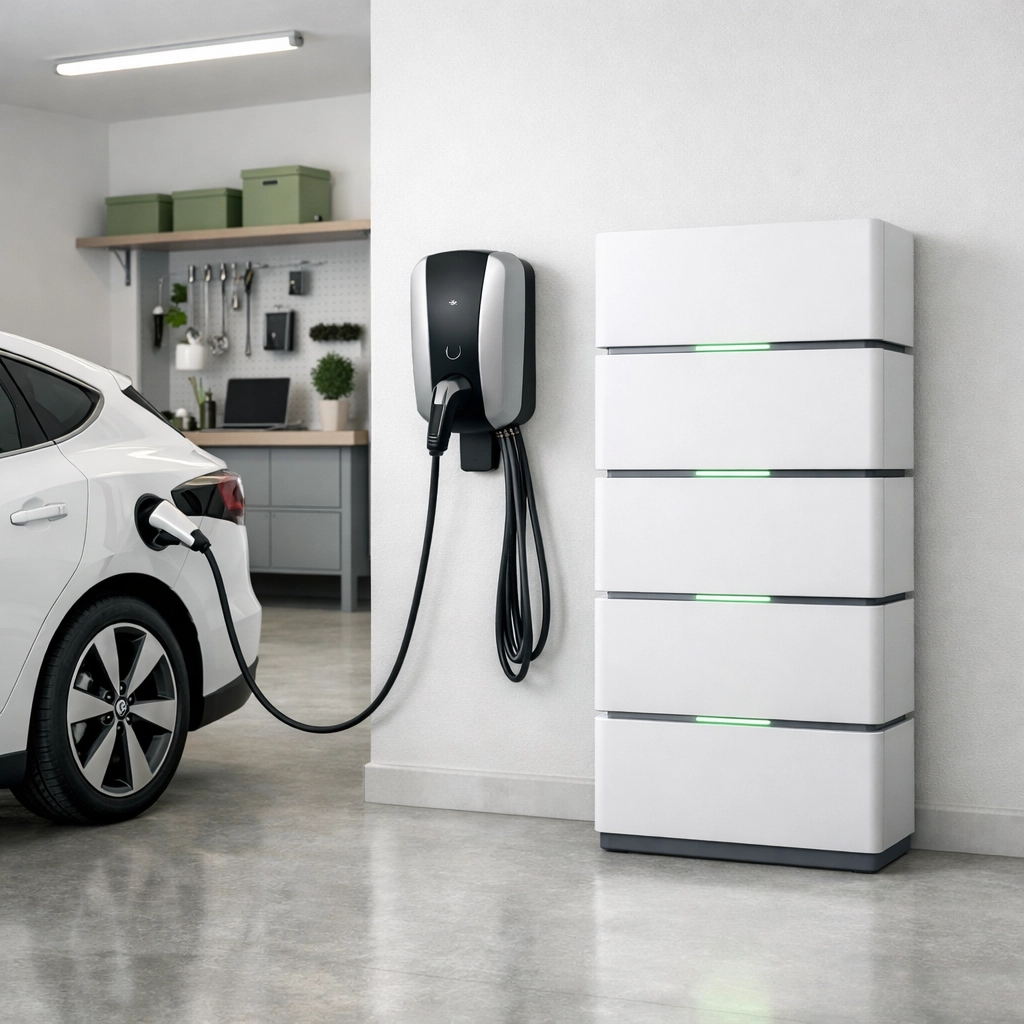
Think of your battery as the "brain" of your home's energy system. It doesn’t just sit there holding electricity; it communicates. Modern systems integrate seamlessly with EV chargers and heat pumps.
For example, if your battery is full and your solar panels are still producing energy, your system can automatically direct that "overflow" into your electric vehicle or use it to pre-heat your hot water cylinder. It ensures that not a single watt of green energy is wasted. This level of integration is key to long-term solar installation maintenance and efficiency.
8. Reducing Your Carbon Footprint Automatically
We all want to do our bit for the planet, but it can feel complicated. Battery storage is one of the most effective ways to lower your carbon footprint without changing your daily habits.
By storing solar energy, you are ensuring that the power you use is 100% clean. Without a battery, you might be using solar during the day, but you’re likely using fossil-fuel-generated electricity from the grid at night. A battery ensures your home runs on "sunshine" even when it's raining outside. It’s a simple, set-and-forget way to live more sustainably.
9. Choosing the Right System Matters
Not all batteries are created equal. When we sit down with homeowners, the conversation usually turns to the two heavyweights: Tesla vs. GivEnergy. Both are fantastic, but they suit different needs.
| Feature | Tesla Powerwall 3 | GivEnergy All-In-One |
|---|---|---|
| Capacity | 13.5 kWh | 13.5 kWh |
| Backup Power | Seamless (Whole Home) | Integrated Backup |
| Warranty | 10 Years | Up to 12 Years |
| Best For | High-tech integration & aesthetics | Flexibility & UK-based support |
If you want a deeper dive into which one might suit your Bournemouth or Dorset home, we’ve put together a comprehensive comparison guide here.
10. Long-Term Financial Security
Let’s talk numbers. While the upfront cost of battery storage is an investment, you have to look at the "levelized cost of energy." If energy prices continue to rise: as they have historically: the "payback period" for a battery system gets shorter and shorter.
When you factor in the VAT savings (currently 0% on battery storage installations in the UK until 2027) and the reduction in your monthly bills, the financial argument becomes very strong. It’s not just about saving money today; it’s about "locking in" your energy costs for the next 10 to 15 years. You can find more about the fiscal side of things in our solar panel investment category.
Is Battery Storage Right for You?
We understand that the world of renewable energy can feel a bit like learning a new language. Between kWh, inverters, and discharge rates, it’s okay if you’re scratching your head a little. But the core message is simple: battery storage gives you control.
In a world where global events can hike your cost of living overnight, having a way to store your own power is the ultimate security blanket. It provides stability, reduces your reliance on a volatile grid, and helps the planet all at once.
At DES Renewable Energy Ltd, we’ve helped hundreds of homeowners across the South of England find their path to energy independence. We don't believe in one-size-fits-all solutions; we believe in finding the right tech for your specific home and lifestyle.
If you’re ready to stop worrying about the next price cap increase and start enjoying the peace of mind that comes with energy stability, we’re here to help. Between you and our team of expert installers, we can design a system that keeps your lights on and your bills down, no matter what’s happening on the world stage.
Want to chat about your options? Contact us today to discuss your needs, and let's see how we can make your home more resilient together.