


If you’ve been looking into solar panels recently, you’ve likely noticed that the market is busier than ever. As of March 2026, the push for energy independence in the UK has reached a fever pitch. But with high demand comes a significant risk: the rise of the "Solar Cowboy."
I’m Jason Brown, Director at DES Renewable Energy Ltd, and I’ve seen far too many homeowners left in the dark: sometimes literally: by installers who disappeared as soon as the last bolt was tightened. Choosing a solar partner isn’t just about who can get panels on your roof the fastest; it’s about who will be there to support that system for the next 25 years.
In this guide, I’ll break down the stark differences between a specialist renewable energy partner and a "cowboy" outfit, so you can invest your hard-earned money with confidence.
What Exactly is a ‘Solar Cowboy’?
In the trade, we use the term "Solar Cowboy" to describe companies that have pivoted into solar purely to chase subsidies or short-term trends. They often lack deep technical knowledge, rely heavily on transient subcontractors, and prioritise sales volume over installation quality.
You might recognise them by their high-pressure sales tactics. If an installer tells you a price is "only valid if you sign today," or if they refuse to provide a detailed technical breakdown of the components, that’s a major red flag. They often quote "cheap" prices by using unbranded inverters or B-grade panels that won't perform as advertised.
The Specialist Difference: Why Technical Expertise Matters
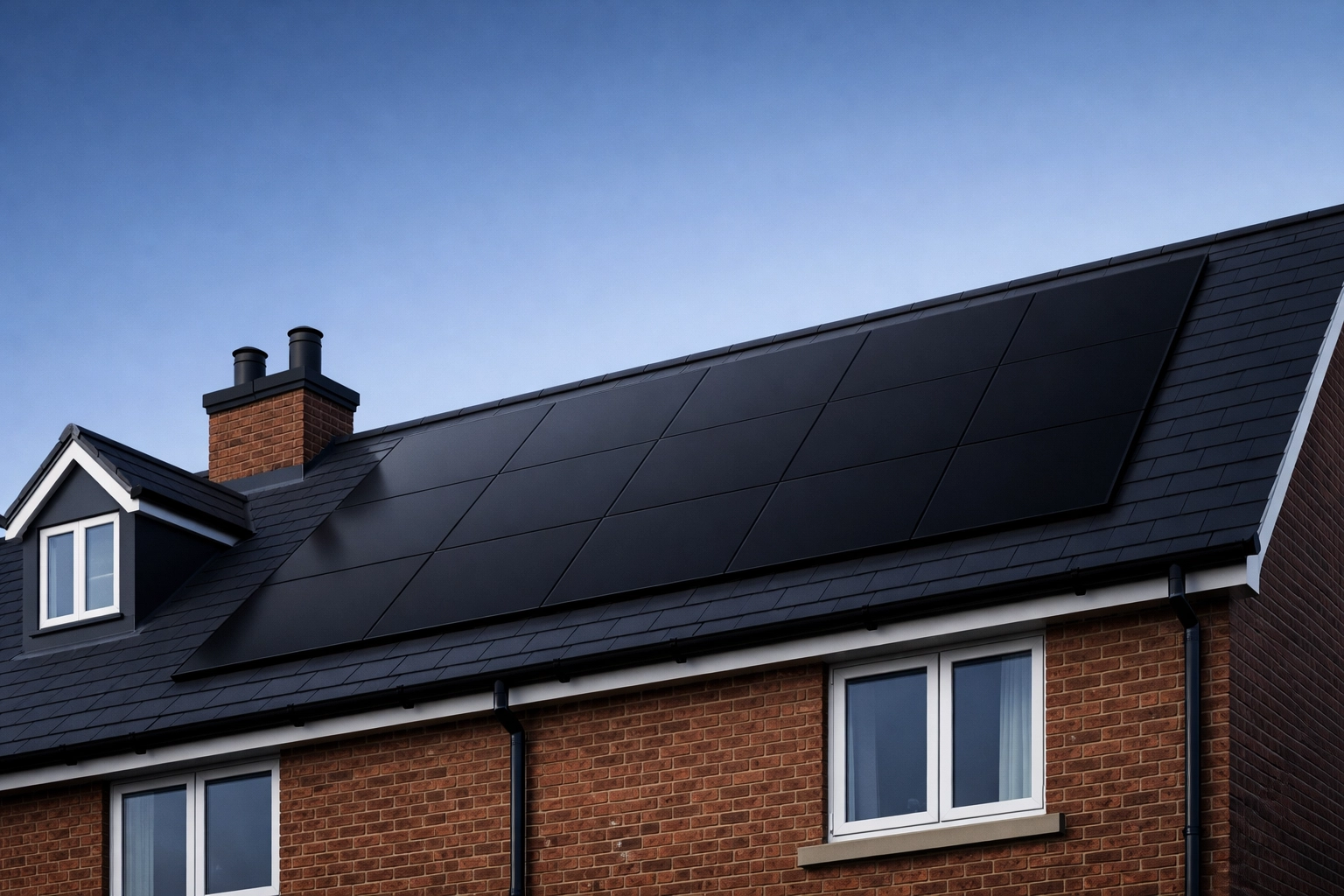
A specialist renewable energy partner, like our team at DES, views your home as a complex mini-power station. We don’t just "fit panels"; we engineer a bespoke energy solution.
Specialists invest in their staff and their certifications. We aren't just electrical contractors who "do a bit of solar on the side." We are dedicated renewable energy experts who understand the nuances of DC string voltages, battery discharge rates, and how to optimise your system for the UK climate.
Red Flags vs. Reassurance
| Feature | The Solar Cowboy | The Specialist Partner |
|---|---|---|
| Sales Process | High-pressure, "today only" deals. | Consultative, data-driven, and patient. |
| Workforce | Third-party subcontractors. | Qualified, in-house installation teams. |
| Certifications | Often missing or "pending." | MCS, NAPIT, and RECC accredited. |
| Equipment | Generic, "no-name" components. | Tier-1 brands (Tesla, SolarEdge, GivEnergy). |
| Survey | Done via Google Maps only. | Physical site survey and roof integrity check. |
| Aftercare | Non-existent or a generic call centre. | Dedicated maintenance and monitoring. |
MCS, NAPIT, and Beyond: The Paperwork That Protects You
In the UK, certifications aren't just badges for the website: they are your legal and financial protection.
- MCS (Microgeneration Certification Scheme): This is the gold standard. Without an MCS certificate for your installation, you cannot access the Smart Export Guarantee (SEG). This means you won't get paid for the excess energy you send back to the grid.
- NAPIT / NICEIC: These ensure that the electrical work meets Part P building regulations.
- HIES / RECC: These are consumer protection bodies. They ensure your deposit is protected and that the company adheres to a strict code of conduct.
If an installer can't produce these credentials immediately, walk away. At DES Renewable Energy Ltd, we believe transparency is the foundation of trust.
Future-Proofing with Tier-1 Equipment
One of the easiest ways a "cowboy" lowers their quote is by using inferior hardware. They might save you £1,000 today, but if an unbranded inverter fails in year four and the manufacturer has gone bust, your "saving" evaporates.
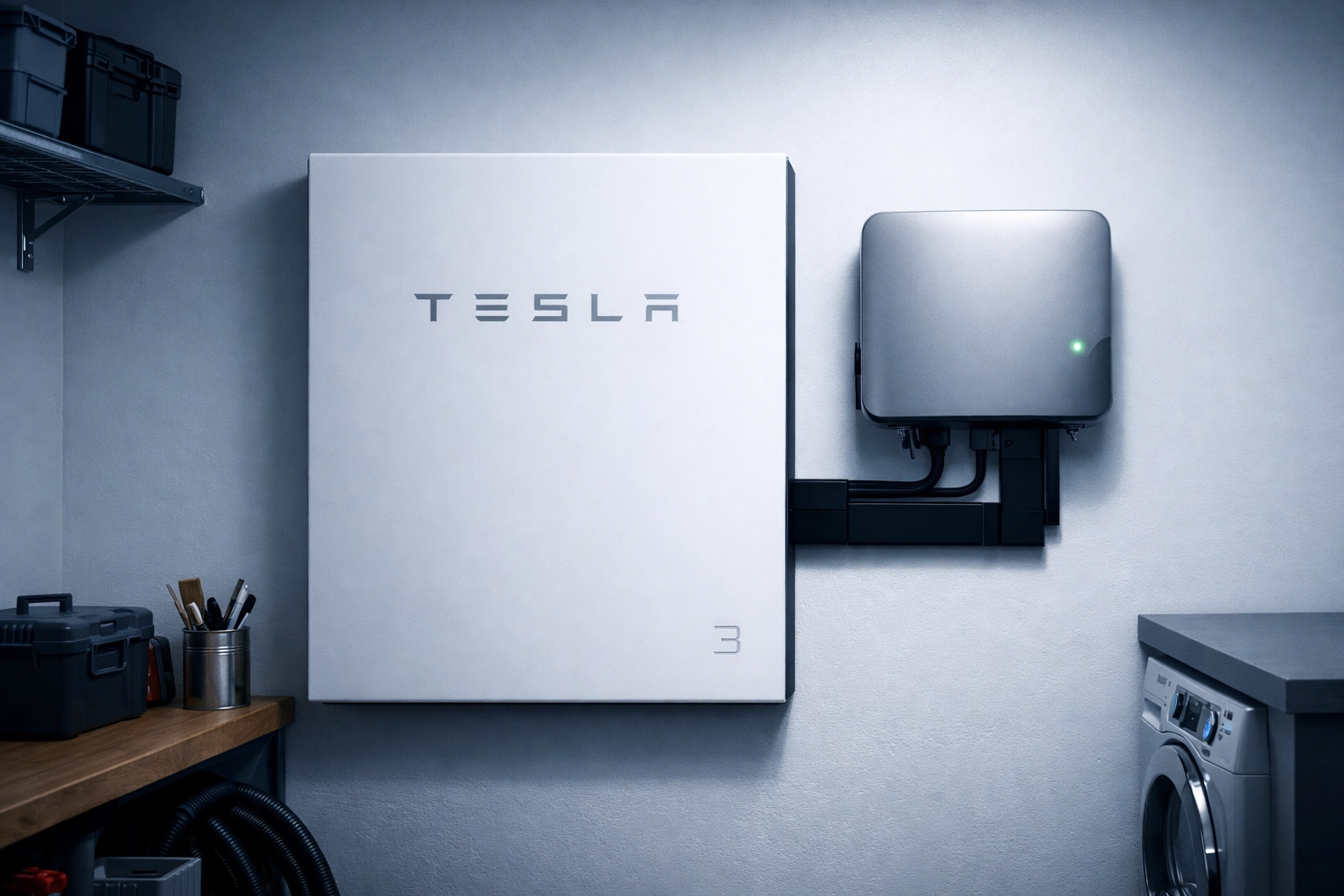
We only install Tier-1 equipment. This includes industry leaders like Tesla Powerwall 3 and SolarEdge. These companies have multi-billion pound balance sheets and 25-year warranties that actually mean something.
When we look at the Tesla Powerwall 3 vs GivEnergy All-in-One, we aren't just looking at the price tag. We’re looking at the thermal management, the software ecosystem, and the ease of integration. A specialist will help you choose the right tool for your specific energy profile, rather than pushing whatever they have left in the warehouse.
The Physical Site Survey: A Non-Negotiable Step
Beware of any company that gives you a "final" quote without ever stepping foot in your loft or looking at your consumer unit.
A professional specialist will:
- Check the structural integrity of your roof.
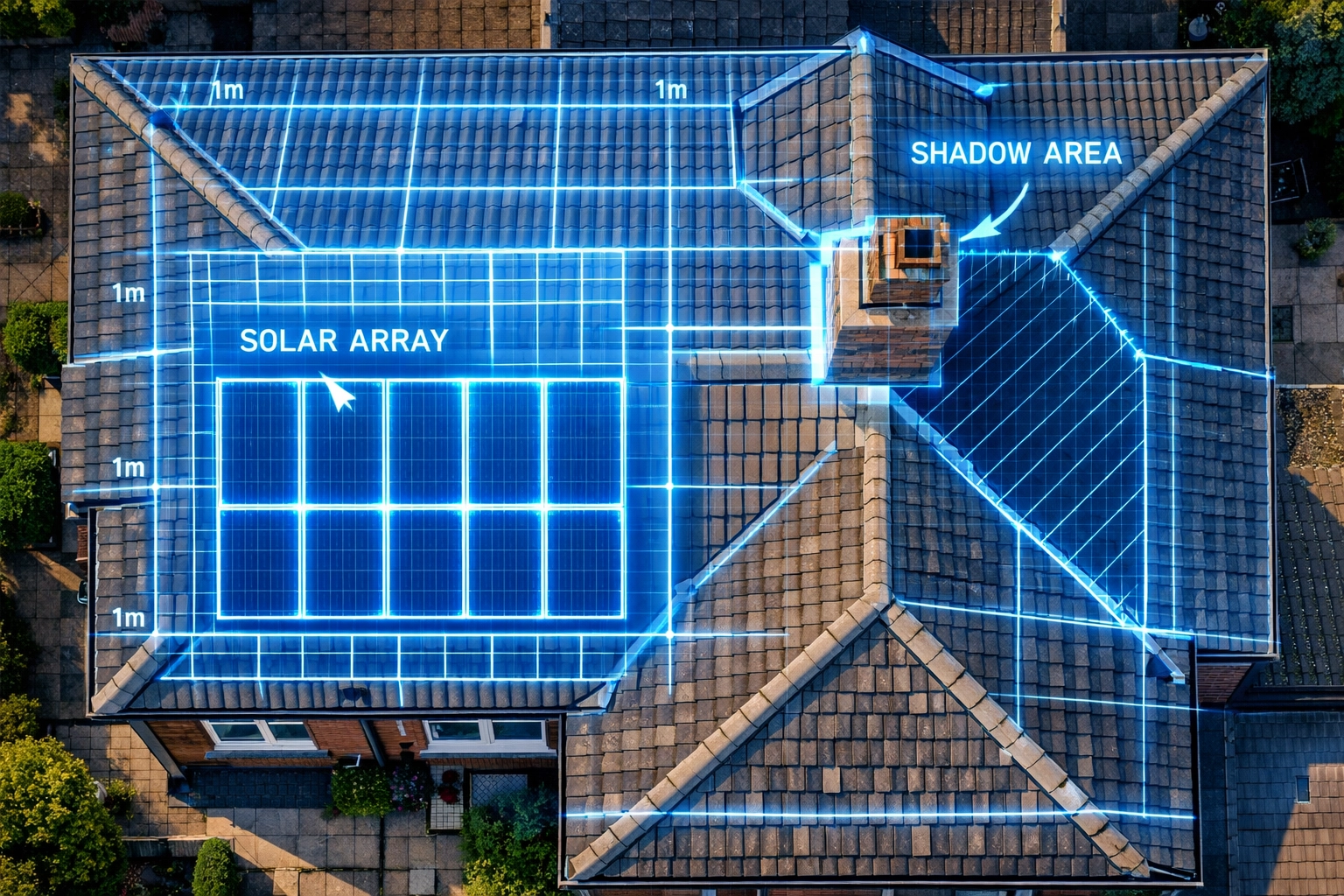
- Check for shading from chimneys or nearby trees that might necessitate power optimisers.
- Verify your home’s existing electrical capacity.
- Discuss the cable routes to ensure the finish is aesthetic and tidy.
"Cowboys" skip this. They turn up on the day, realise your roof needs strengthening or your fuse box is outdated, and then hit you with "unforeseen" extra costs.
Why Solar Aftercare is the Secret to ROI
Solar panels are incredibly reliable, but they aren't "fit and forget." To keep a system at peak performance for 25+ years, you need a partner who offers long-term maintenance and monitoring.
A specialist partner will usually provide an app (like the Tesla or SolarEdge portals) where you can see your production in real-time. More importantly, we can often see if your system has a fault before you even notice. If a string goes down or an optimiser malfunctions, a specialist is a phone call away. A cowboy? Their phone will likely be disconnected.
The Local Advantage
While large national firms have big marketing budgets, there is a distinct advantage to working with a regional specialist. Whether you need solar installation in Bournemouth or Amesbury, a local partner understands the regional grid constraints and has a reputation to maintain within the community.
We live and work in the same areas as our customers. That accountability is something a national "sales-first" company simply cannot replicate.

Final Thoughts from the Director
Choosing a solar partner is a big decision. It’s a 25-year relationship. My advice to anyone considering solar in 2026 is simple: look past the lowest price.
Ask the tough questions. Ask who will be doing the actual work. Ask for their MCS number. Ask about their aftercare policy. A true specialist will be happy to answer because they are proud of their standards. A cowboy will try to change the subject.
If you’re looking for a partner that’s here for the long haul, our team is ready to help. We don’t just want to install panels on your roof; we want to help you take control of your energy future with a system that actually works: and keeps working: for decades to come.
Ready to start your journey with a specialist you can trust? Explore our solar solutions or contact us today for a detailed, no-pressure consultation.