


The UK solar market is currently experiencing a gold rush. With energy prices remaining volatile and the drive toward Net Zero accelerating, thousands of homeowners are looking to the skies to secure their energy future. However, where there is high demand, "Solar Cowboys" inevitably follow.
These are companies: often multi-service contractors or aggressive sales outfits: that have pivoted to solar purely for the profit margin, lacking the technical depth, certifications, and long-term commitment required to install a system that lasts 25 years.
At DES Renewable Energy Ltd, we’ve seen the fallout: poorly designed arrays, "phantom" warranties, and systems that underperform from day one. Choosing the right partner isn't just about finding someone to bolt panels to your roof; it’s about choosing a specialist who understands the intricate physics of renewable energy.
What is a 'Solar Cowboy'?
In the industry, we use the term "Solar Cowboy" to describe installers who prioritise speed and sales over engineering and ethics. They often appear during market peaks and disappear just as quickly, leaving homeowners with no recourse when a component fails.
Common traits of a non-specialist installer include:
- High-Pressure Sales: They push for a "sign today" deal or offer "government grants" that don't actually exist in the way they describe.
- Vague Technical Advice: If they can’t explain the difference between a string inverter and power optimisers, or how shading will affect your specific roof, they aren't specialists.
- Subcontracted Labour: Many sales-heavy firms don't employ their own installers. They hire local roofers and electricians who may not have specific solar PV training.
- Unrealistic Projections: If a quote promises a 4-year payback period on a standard residential system in the UK, be very skeptical.
The Specialist Advantage: Why Technical Expertise Matters
Solar PV is a sophisticated electrical power plant on your roof. It involves high-voltage DC electricity, complex mounting requirements, and software integration. A specialist installer, like the team at DES Renewable Energy, treats every home as a bespoke engineering project.
1. Accurate System Design
A specialist won't just guess how many panels fit. They use advanced 3D modelling software to account for roof pitch, orientation, and local weather patterns. They will also perform a "shading analysis." Even a small amount of shade from a chimney or a nearby tree can significantly drop the output of a traditional string system. A specialist knows when to recommend SolarEdge optimisers to mitigate these losses.
2. Tier-1 Equipment Selection
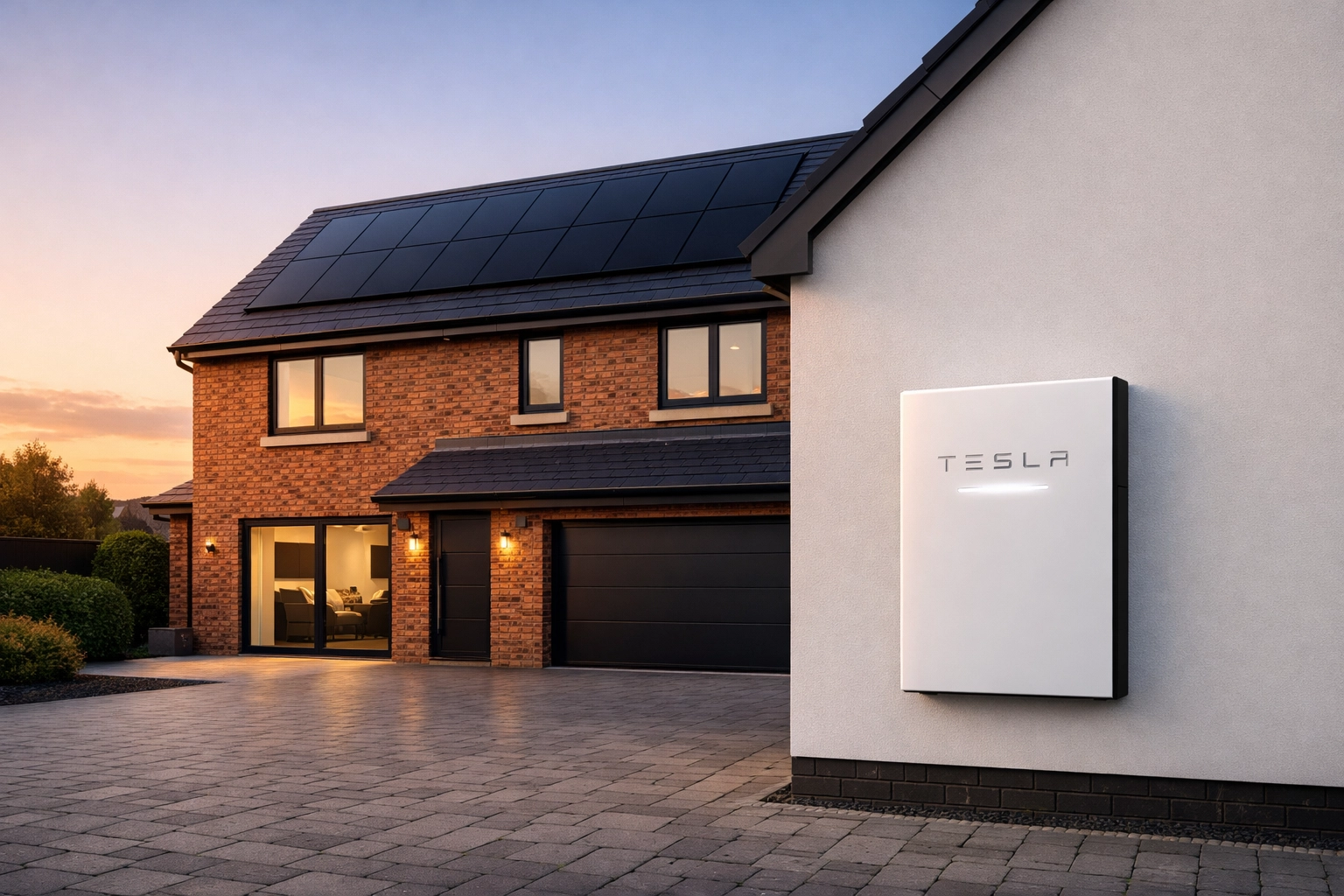
Solar Cowboys often use "white-label" or entry-level panels and batteries to keep their quotes low. While these might work initially, their degradation rates are often much higher. We focus on Tier-1 equipment: manufacturers like Tesla and SolarEdge: who have the financial stability to honour their 25-year warranties.
The Accreditation Minefield: MCS, NAPIT, and RECC
When vetting an installer, certifications are your primary line of defence. In the UK, these aren't just "nice to haves": they are essential for your financial security and safety.
MCS (Microgeneration Certification Scheme)
This is the most important acronym in UK solar. If your installer is not MCS certified, you cannot access the Smart Export Guarantee (SEG). This is the scheme where energy suppliers pay you for the excess electricity you export back to the grid. Without MCS, your investment takes significantly longer to pay back.
NAPIT or NICEIC
These certifications ensure that the electrical work meets Part P building regulations. Solar involves integrating with your home’s consumer unit; if this isn't done by a qualified specialist, it can invalidate your home insurance.
RECC or HIES
These are consumer protection codes. They ensure that your deposit is protected and that the company adheres to high standards of professional conduct. You can find more information on navigating these requirements in our expert help and advice section.
Comparing Specialist vs. Non-Specialist Installers
| Feature | Specialist (e.g., DES Renewables) | 'Solar Cowboy' / Generalist |
|---|---|---|
| Survey Process | In-depth physical or remote 3D survey | "Rough guess" based on Google Maps |
| Accreditations | MCS, NAPIT, RECC/HIES fully verified | Often missing MCS or uses a third-party's |
| Equipment | Tier-1 (Tesla, SolarEdge, GivEnergy) | Budget or unbranded components |
| Warranty | Comprehensive 10-25 year cover | Manufacturer only (hard to claim) |
| Aftercare | Dedicated monitoring and maintenance | No support after final payment |
| Financials | Transparent ROI and SEG advice | Over-promised "instant" savings |
Why Solar Aftercare is the Ultimate Litmus Test
A solar installation is a 25-to-30-year commitment. The "Cowboy" model relies on "fit and forget": once the panels are up and the check has cleared, they are gone.
Specialists understand that solar installation maintenance is key to longevity. This includes:
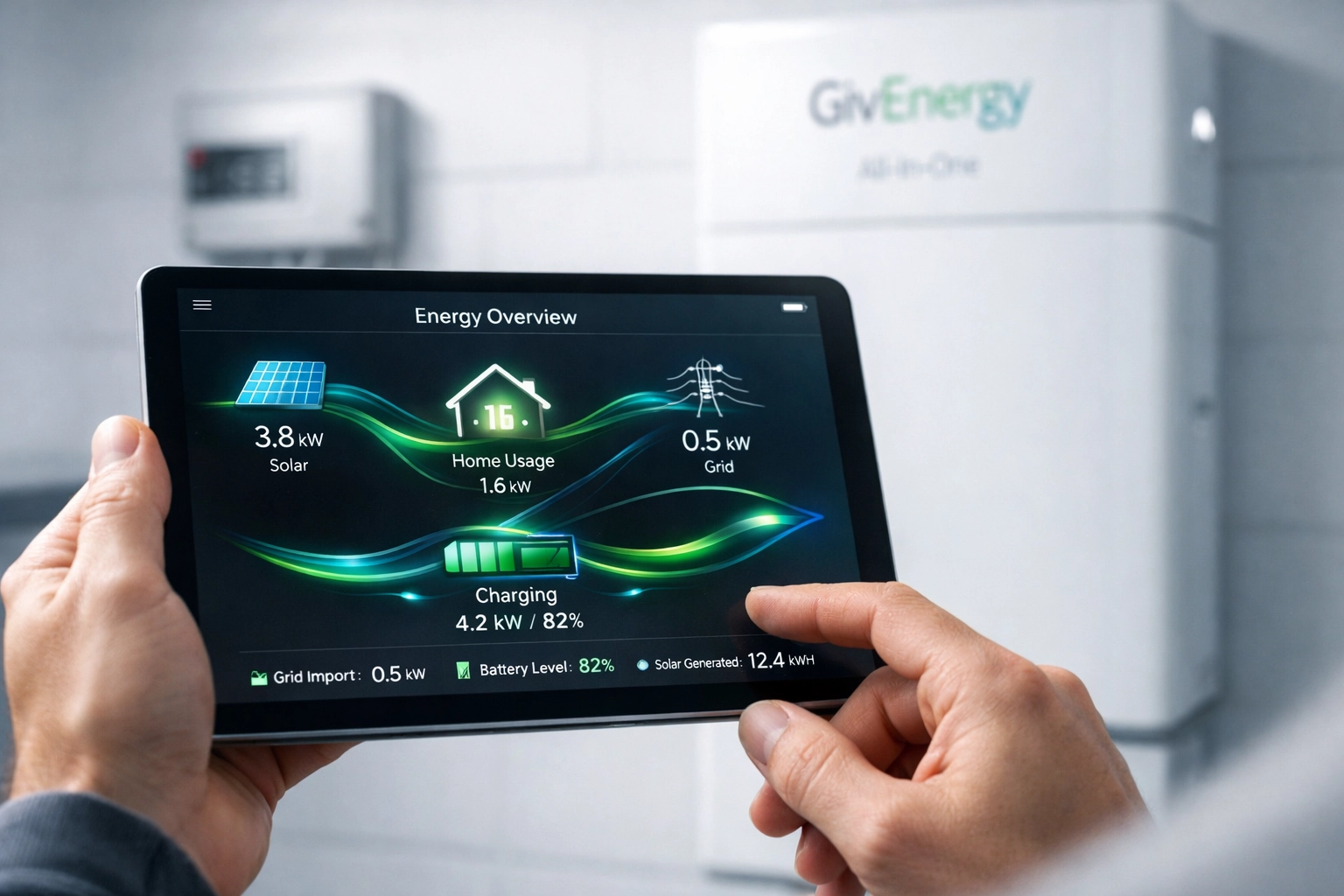
- Active Monitoring: We can often see if your system has a fault before you do, thanks to smart monitoring platforms.
- Warranty Management: If a component fails in year 12, a specialist will handle the claim with the manufacturer for you.
- System Optimisation: As your energy needs change (e.g., buying an EV), a specialist can help you scale your system correctly.
Red Flags to Watch For in a Quote
When you receive a quote, look past the final price. A suspiciously low price is often a warning sign of corner-cutting. Ask yourself:
- Is the quote itemised? You should see exactly what panels, inverters, and battery storage systems are being proposed.
- Does it include bird proofing? Many budget installers omit this, leading to pigeons nesting under panels, which can damage wiring and create a fire risk.
- What is the mounting system? In the UK, wind loads are a serious factor. Specialist installers use high-quality rails and hooks designed for our specific weather conditions.
- Are there hidden costs? Does the price include scaffolding, structural surveys, and the G98/G99 application to the District Network Operator (DNO)?
If you encounter common problems with solar panels, it is almost always due to poor initial installation rather than the technology itself.
How to Make the Final Decision
Choosing a renewable energy partner is a big step toward energy independence. To ensure you’re making the right choice, follow this three-step vetting process:
- Check the MCS Directory: Don't take their word for it. Search for the company name on the official MCS website.
- Ask for Local References: A reputable installer should be able to point to several successful installations in your area.
- Read the Technical Detail: A specialist quote will include a predicted annual generation (in kWh) based on your specific roof. If they give you a "one size fits all" estimate, walk away.
The DES Renewable Energy Promise
At DES Renewable Energy Ltd, we pride ourselves on being specialists, not generalists. We focus exclusively on high-performance solar and battery storage solutions that are future-proofed for the next two decades.
Whether you are looking for a Tesla Powerwall 3 or a GivEnergy All-in-One, we provide the technical expertise to ensure your system is an asset, not a liability.
Don't leave your energy future to chance. Choose a partner that is here for the long haul.
Ready to start your solar journey with a specialist? Contact our expert team today for a transparent, no-obligation site survey.