


If you’ve glanced at the news lately, you’ve likely seen the headlines. Global energy markets are currently riding a rollercoaster that most of us would rather get off. Between ongoing tensions in the Middle East and the resulting ripples in oil and gas prices, the "price at the pump" is only one half of the story. The other half is happening right inside your home or business, reflected in your monthly utility statement.
It feels a bit like trying to build a sandcastle while the tide is coming in, doesn't it? But here is the good news: you don't have to be a victim of global volatility. By choosing the right solar and battery system, you’re essentially building a fortress around your finances.
At DES Renewable Energy Ltd, we’re seeing more people than ever asking how they can shield themselves from these external shocks. Whether it's a projected £332 increase in annual costs or trying to navigate a world where the average bill is hovering around £1,973, the answer usually lies in energy independence.
Why Global Volatility Hits Your UK Pocket
You might wonder why a conflict thousands of miles away affects the cost of boiling your kettle in Kent or powering your office in Manchester. It’s because the UK energy grid is still heavily reliant on natural gas for peak demand. When global supply chains are threatened, gas prices spike. When gas prices spike, your electricity bill follows suit.
The International Energy Agency (IEA) has been vocal about this, recommending that nations accelerate their shift to renewables to avoid these "fossil fuel price traps." For you, that means moving away from the grid and toward your own roof.
Step 1: Understanding "The Hedge"
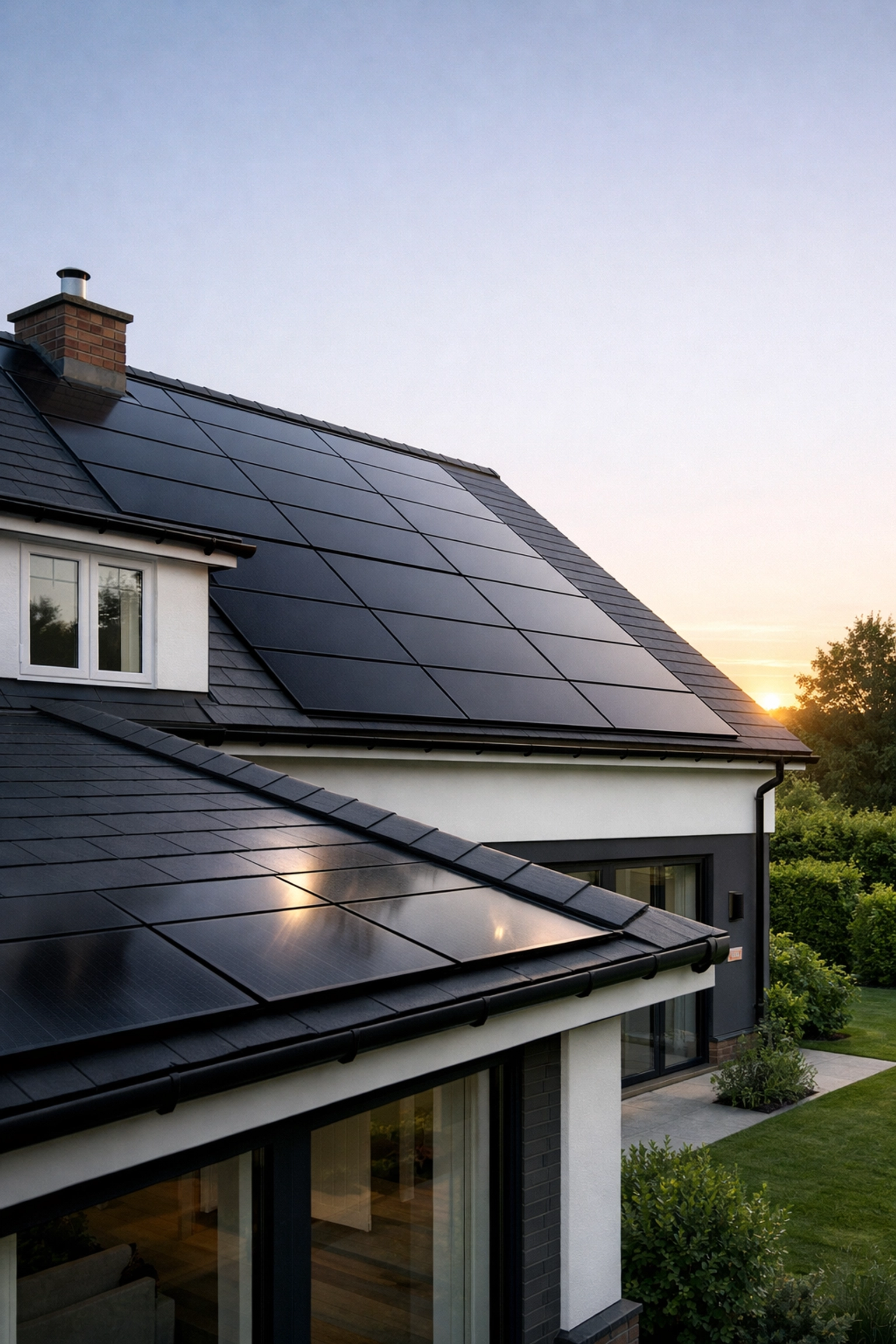
In financial terms, a "hedge" is an investment made to reduce the risk of adverse price movements. When you install a solar PV system combined with a battery like the Tesla Powerwall 3 or a GivEnergy stack, you are hedging against the grid.
Instead of buying energy at whatever price the market dictates tomorrow, you’re "pre-purchasing" your energy for the next 25 years at a fixed, much lower cost. But how do you choose the right system to act as that shield?
Step 2: Comparing the Tech: Capacity vs. Power
When you start looking at batteries, you’ll see two main numbers: Capacity (kWh) and Power Output (kW). We understand if you’re scratching your head over the difference: it’s a common point of confusion.
- Usable Capacity (kWh): This is the size of your "fuel tank." How much energy can the battery hold?
- Continuous Power Output (kW): This is the "width of the pipe." How many appliances can you run at the exact same time?
If you have a massive battery (high capacity) but low power output, you can’t run your oven, kettle, and car charger at once without pulling from the grid. Conversely, high power but low capacity means you’ll run out of juice quickly.
Side-by-Side: The Heavy Hitters
| Feature | Tesla Powerwall 3 | GivEnergy All-In-One | Enphase IQ 5P |
|---|---|---|---|
| Usable Capacity | 13.5 kWh | 13.5 kWh | 5.0 kWh (Modular) |
| Max Power Output | 11.5 kW | 6.0 kW | 3.84 kW |
| Chemistry | LFP (Lithium Iron Phosphate) | LFP | LFP |
| Round-trip Efficiency | ~97.5% | ~93% | ~96% |
| Best For… | Full home backup & high loads | Value & British engineering | Scalability & small spaces |
As you can see, the Tesla Powerwall 3 is currently the heavyweight champion when it comes to power output. If you want to run your whole life during a grid outage without even noticing the lights flickered, this is often the go-to choice. You can learn more about how this fits your home on our Tesla Powerwall page.
Step 3: Round-Trip Efficiency and Safety
Why does efficiency matter? Think of it like this: if you put 10 units of energy into a battery, you want as close to 10 units back out as possible. This is "round-trip efficiency."
Systems like the Tesla Powerwall 3 and SolarEdge Energy Bank lead the pack here. Higher efficiency means more of the "free" energy from your panels actually makes it to your TV or fridge. Over 10 or 20 years, a 4% difference in efficiency adds up to thousands of pounds in savings.
And then there's safety. Most modern systems we install use LFP (Lithium Iron Phosphate) chemistry. It’s cobalt-free, has a longer lifespan, and is significantly more stable than older battery types. It’s the gold standard for home safety, and it's what we recommend for any residential installation.
Step 4: Integration: The Secret Sauce
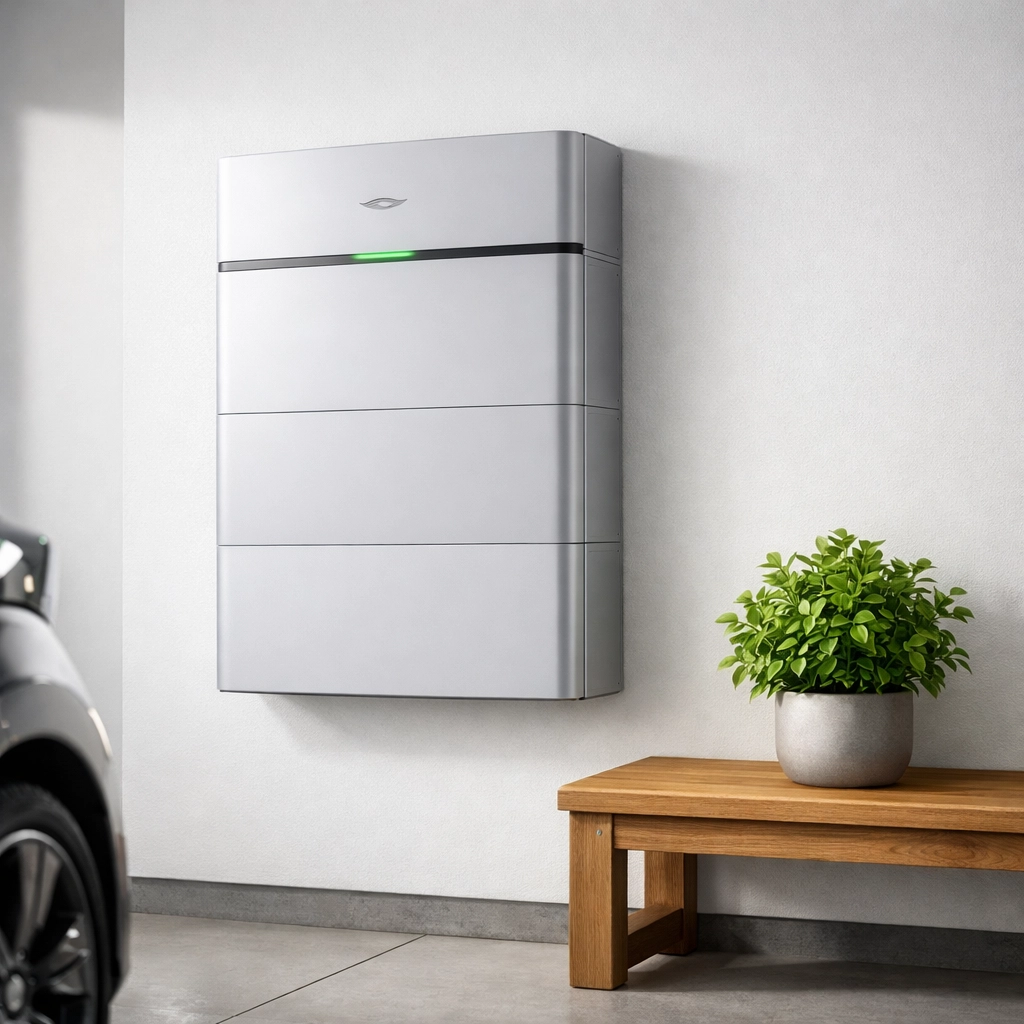
Choosing a battery isn't just about the box on the wall; it's about how it talks to your panels.
- AC-Coupled Systems: These are great for adding a battery to an existing solar setup. They are flexible and easy to install without ripping out your old inverter.
- DC-Coupled Systems: These are generally more efficient for brand-new installations because the energy doesn't have to be converted as many times between the panels and the battery.
If you’re looking to protect against rising energy costs over time, you also want a system that is expandable. The Enphase and GivEnergy systems are brilliant for this. You can start with a smaller setup and add more "bricks" to your battery wall as your family grows or you buy an electric vehicle.
The Economic Reality: Is it Worth the Investment?
With the current Cornwall Insight forecasts predicting continued volatility, the "payback period" for solar and storage has dropped significantly. A few years ago, people looked at solar as a 10-year investment. Today, for many UK homeowners, that's falling toward the 6-to-8-year mark.
But here is the catch: the value isn't just in the ROI. It’s in the security.
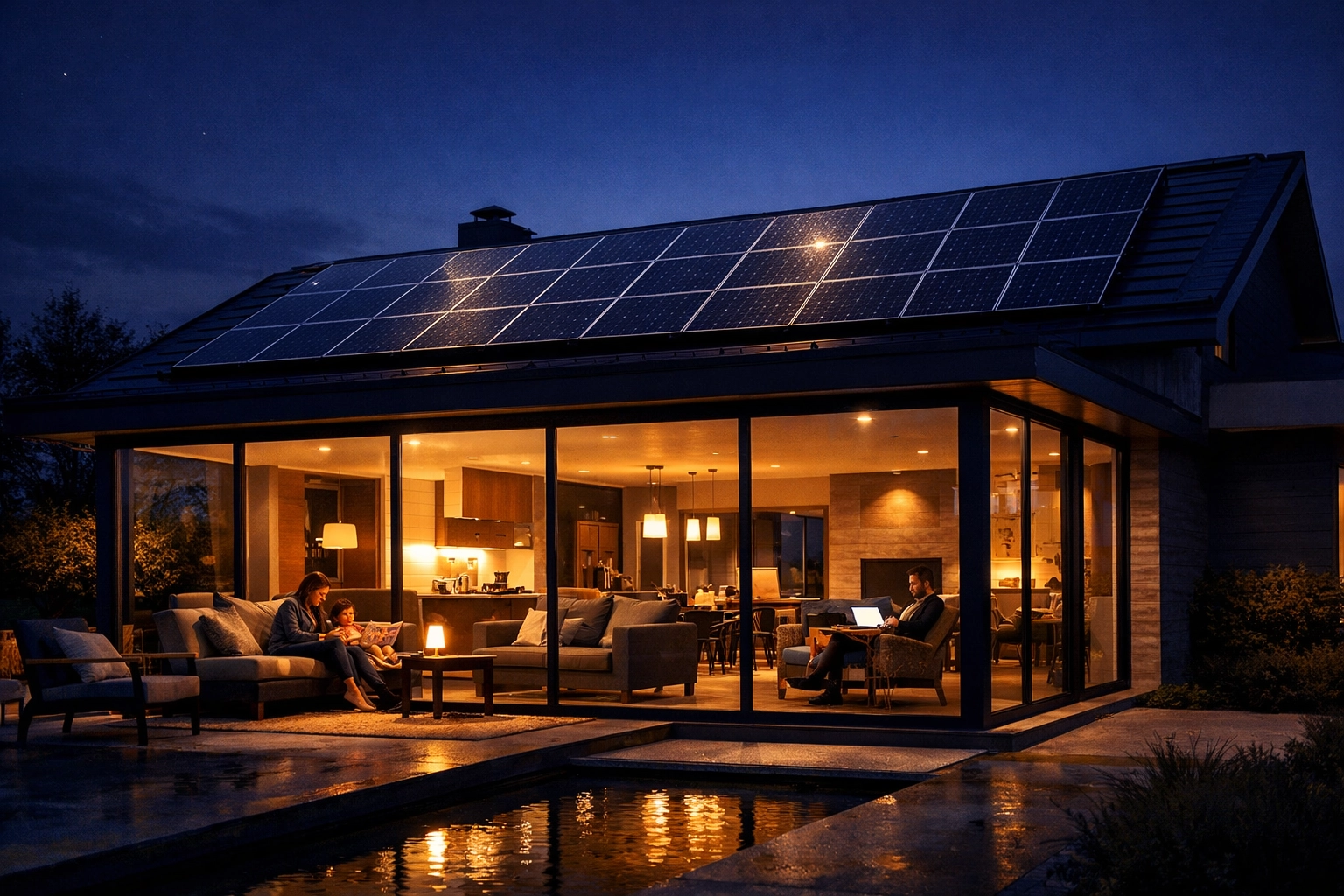
When global oil prices spike because of a crisis in the Middle East, most people feel a sense of dread. With a smart solar and battery system, you feel a sense of relief. You aren't just saving money; you're buying peace of mind. You’re decoupling your family’s lifestyle from the decisions of global oil magnates and international politics.
If you’re curious about how the numbers stack up for your specific roof, checking out our Solar Panel Investment section is a great place to start.
Choosing the Right Partner
We know this is a lot to take in. Choosing between a modular BYD system, a sleek Tesla setup, or a robust GivEnergy solution is a big decision. And that’s OK: you don't have to figure it out alone.
The "best" system depends entirely on your usage patterns. Do you work from home? Do you charge an EV at night? Do you have a heat pump? These factors change the math. Our team at DES Renewable Energy Ltd specialises in taking that complexity and turning it into a simple, educational roadmap.
As expert installers, we’ll guide you through the solar installation process to ensure the system you pick today is still protecting you in 2040.
Your Hedge Starts Here
The world is likely to remain volatile for the foreseeable future. Energy prices aren't going back to the "good old days" of 2015. But your home can be an island of stability in a sea of fluctuating costs.
By investing in high-quality solar PV and battery storage, you are taking control of one of your biggest monthly expenses. You are choosing safety, efficiency, and independence.
Ready to stop worrying about the next energy price cap announcement? Whether you're looking for technical support on an existing system or a brand-new installation, we're here to help.
Take the first step toward energy security today.
Get a free, no-obligation solar quote here and see how much you could save by building your own energy hedge. If you have more questions, don't hesitate to contact our team: we love talking tech and helping you find the perfect fit for your home.