


The UK solar market in 2026 is unrecognisable compared to a decade ago. With energy prices remaining a primary concern for households and the push for Net Zero intensifying, thousands of homeowners are making the switch to renewable energy every month. However, this surge in demand has invited two very different types of businesses into your home: the seasoned specialist and the "solar cowboy."
At DES Renewable Energy Ltd, we’ve seen the fallout when a project goes wrong. We’ve been called out to "fix" systems that were barely a year old, installed by companies that disappeared as soon as the cheque cleared. Choosing the right partner isn't just about finding the lowest price; it’s about ensuring your home is safe, your investment is protected, and your system actually delivers the savings you were promised.
In this guide, we’ll break down the critical differences between professional installers and amateur outfits, and show you how to spot the pitfalls before they cost you thousands.
Identifying the "Solar Cowboy": Red Flags to Watch For
A "solar cowboy" isn't always easy to spot at first glance. They often have slick marketing and "limited-time offers" that seem too good to pass up. However, their business model relies on high volume and low quality. They want to get the panels on your roof as quickly as possible and move on to the next lead.
High-Pressure Sales Tactics
If a company tells you that a discount is "only available if you sign today," walk away. A reputable specialist understands that solar is a significant investment for any homeowner. You should be given the time to review your quote, check references, and ask technical questions.
The "One-Size-Fits-All" Quote
Cowboys often quote based on the number of panels they can fit on your roof rather than your actual energy needs. If they haven’t asked for your electricity bills or discussed your plans for an Electric Vehicle (EV) or air conditioning, they aren't designing a system for you: they’re just selling hardware.
Lack of a Physical Site Survey
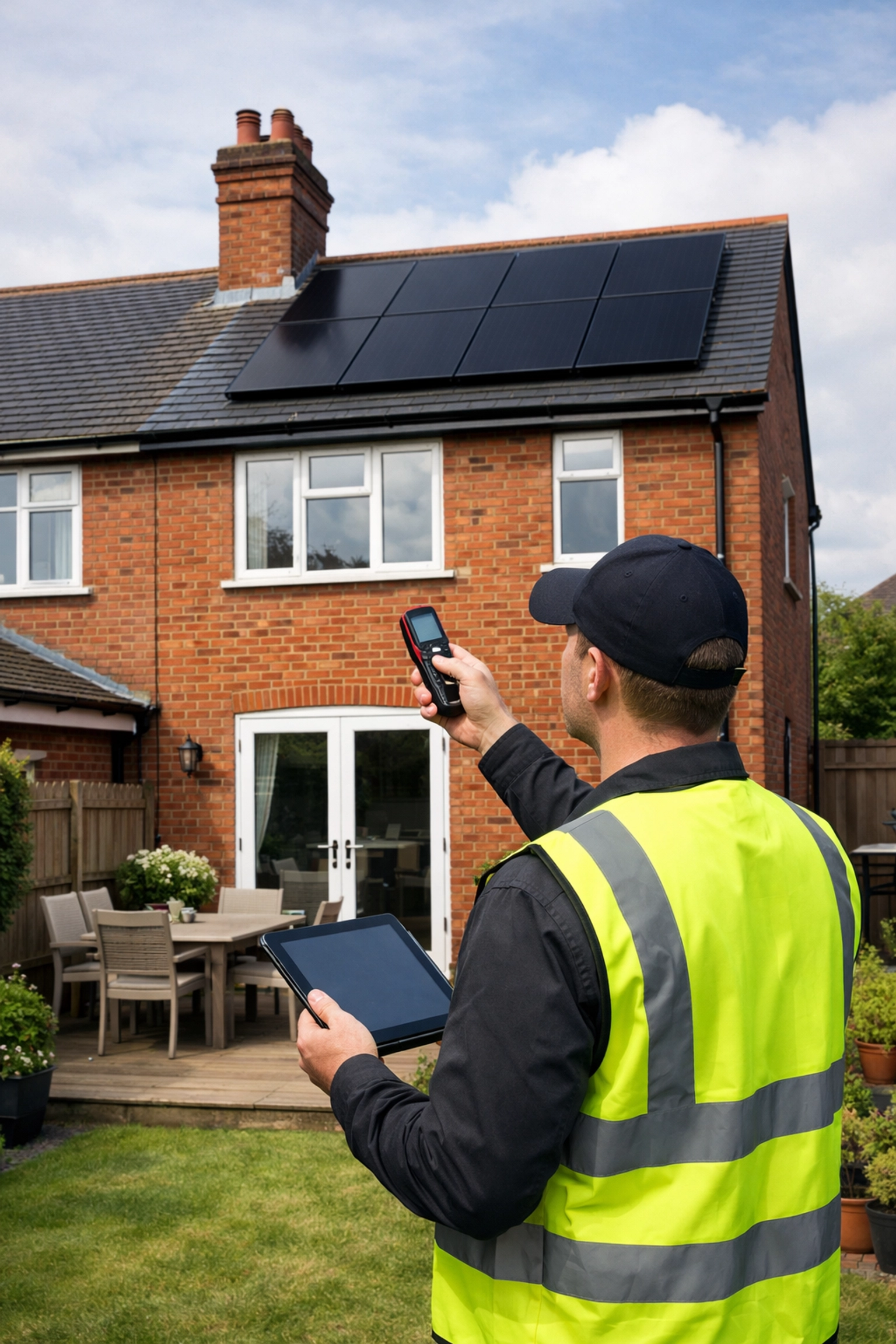
In 2026, remote quoting using satellite imagery is a great starting point, but it should never be the final word. A specialist will insist on a physical or highly detailed technical survey to check your roof's structural integrity, the state of your consumer unit, and potential shading issues that satellite images might miss.
Why Technical Specialists Win on Design and Planning
The difference between a system that pays for itself in six years and one that takes twelve often comes down to the planning phase. Professional installers like DES Renewable Energy use advanced solar design software to create a bespoke map of your home’s energy potential.
12-Month Energy Analysis
We don't guess your energy usage. We look at at least 12 months of electricity bills to understand your "base load" (the power you use constantly) and your peak demands. This allows us to size your battery storage correctly. An undersized battery will leave you buying expensive grid power at night, while an oversized one is a waste of your initial capital.
3D Shading Analysis
Even a small amount of shade from a chimney or a nearby tree can significantly drop the output of a traditional string inverter system. Specialists use 3D shading models to determine if you need SolarEdge power optimisers, which allow each panel to work independently. Cowboys often ignore shading, leading to systems that underperform by 20% or more.
Structural Integrity
Solar panels add significant weight to your roof and change how wind interacts with your tiles. A specialist will ensure your roof can handle the "dead load" of the equipment and the "wind load" during a storm. Skipping this step can lead to roof leaks or, in extreme cases, structural failure.
Certifications: Your Insurance Against Disaster
In the UK, certain certifications are non-negotiable. They aren't just badges for a website; they are your legal and financial protection.
| Certification | What it Means for You |
|---|---|
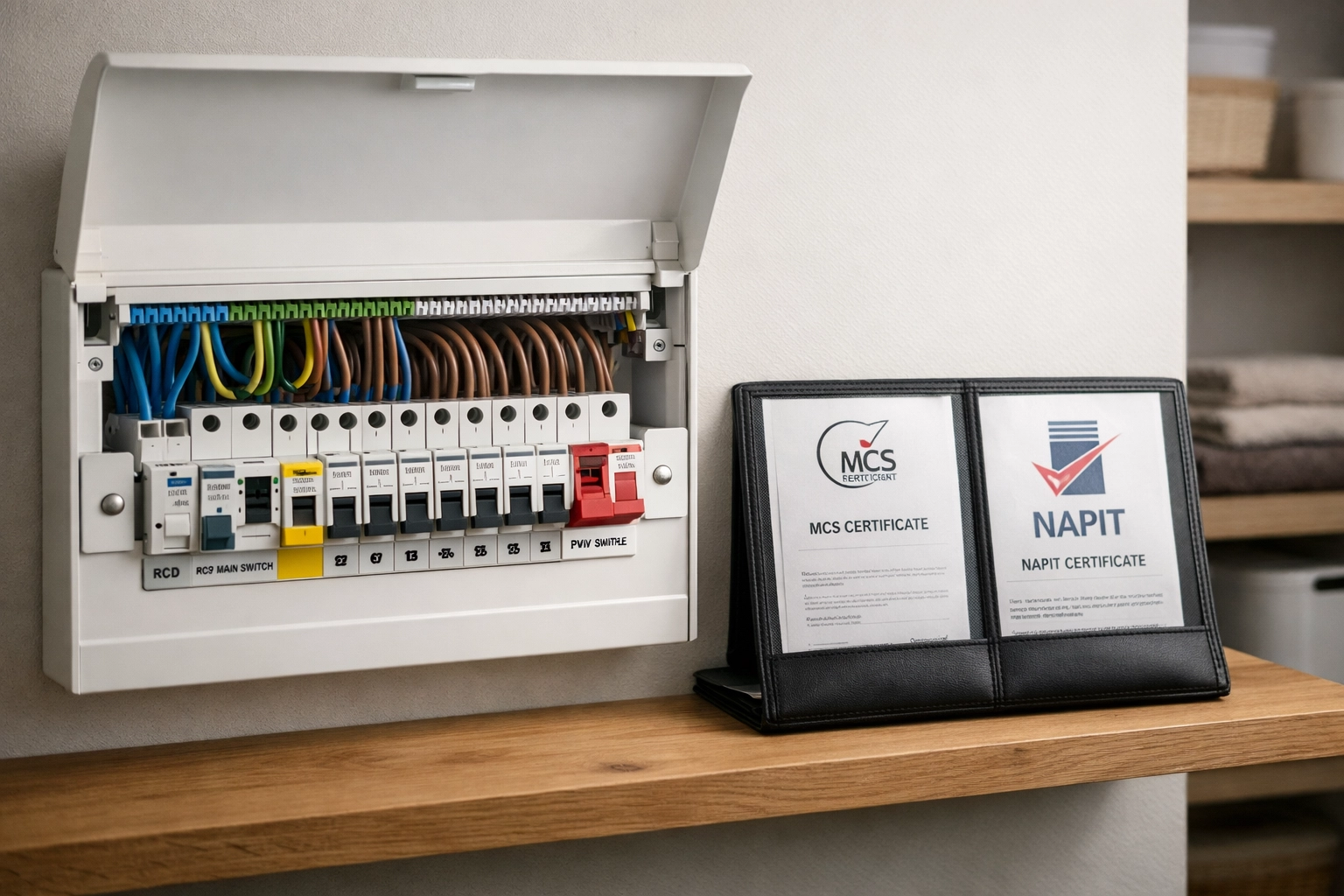
| MCS (Microgeneration Certification Scheme) | Essential for claiming the Smart Export Guarantee (SEG) payments. It proves the equipment and the installer meet high standards. |
| NAPIT / NICEIC | Ensures the electrical work is safe, compliant with UK Building Regulations, and registered with local authorities. |
| RECC / HIES | Provides consumer protection, including deposit insurance and insurance-backed warranties if the installer goes bust. |
If an installer cannot provide proof of these, your warranty may be void, and you won't be able to sell your excess energy back to the grid. As an Octopus Trusted Solar Installation Partner, we pride ourselves on maintaining these standards at every level of our operation.
Equipment Strategy: Why Tier-1 Matters in 2026
The "buy cheap, buy twice" rule applies perfectly to solar. Cowboys often use "white-label" or generic Tier-2 panels and inverters. These might look fine on day one, but their degradation rate is much higher, and their warranties are often difficult to claim if the manufacturer is based overseas with no UK presence.
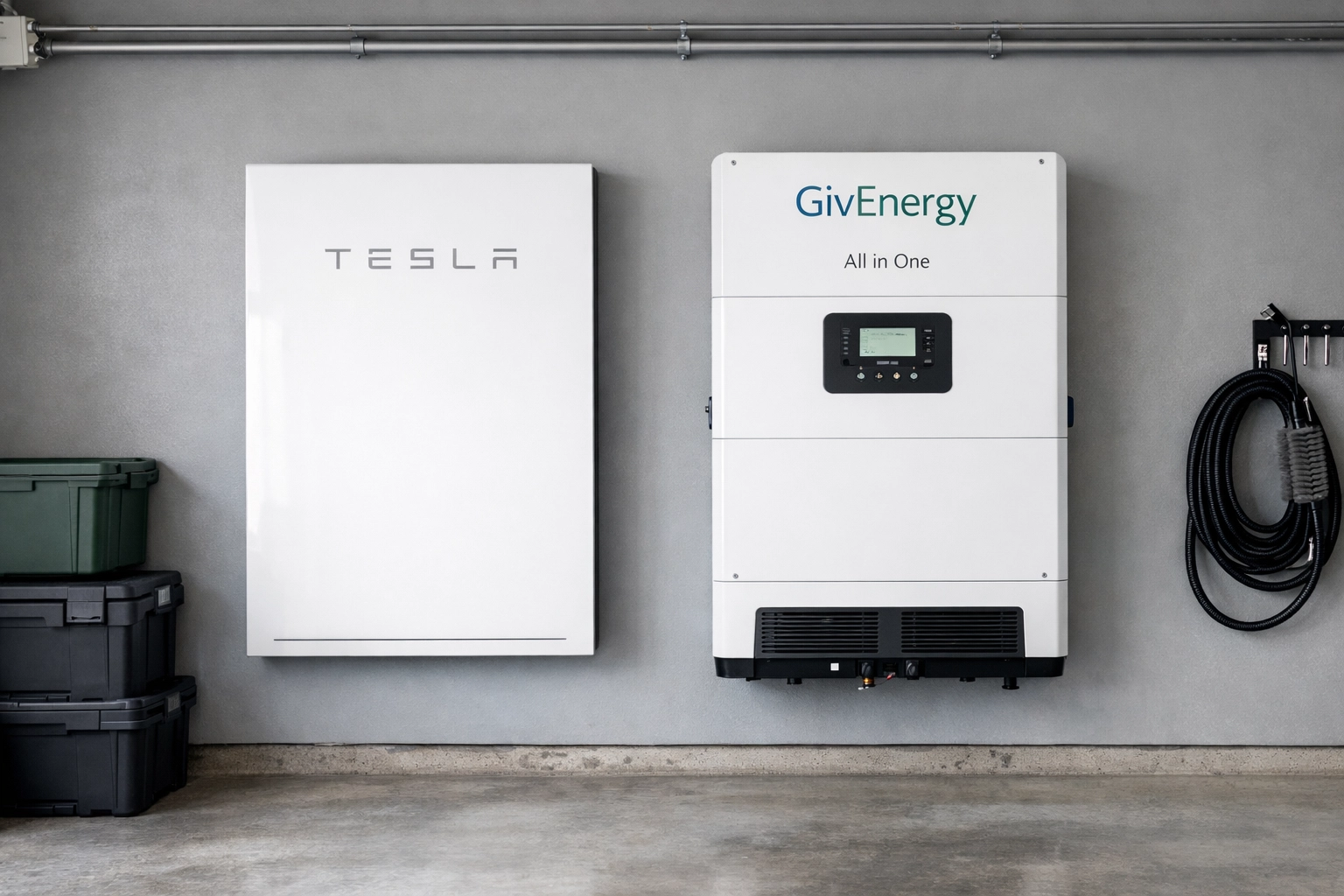
We only install Tier-1 equipment. This means brands like SolarEdge, Tesla, and GivEnergy. These companies have the financial stability to honour 25-year warranties and provide the software updates necessary to keep your system efficient.
Tesla Powerwall 3 vs. GivEnergy All-in-One
In 2026, the choice usually comes down to these two titans of the industry.
- Tesla Powerwall 3: The gold standard for integration. With a built-in solar inverter and 13.5kWh of storage, it’s sleek, powerful, and offers the best app experience on the market. It’s perfect for homeowners who want a "set and forget" system with high backup power capabilities. Learn more about our Tesla Powerwall installations.
- GivEnergy All-in-One: A fantastic British-engineered alternative. It offers great flexibility and is often slightly more cost-effective for those looking for robust performance and excellent UK-based technical support.
The "Hidden" Dangers: Installation and Wiring Quality
What happens behind the panels is just as important as the panels themselves. Poor installation is the leading cause of solar fires and system failures.
Wire Management
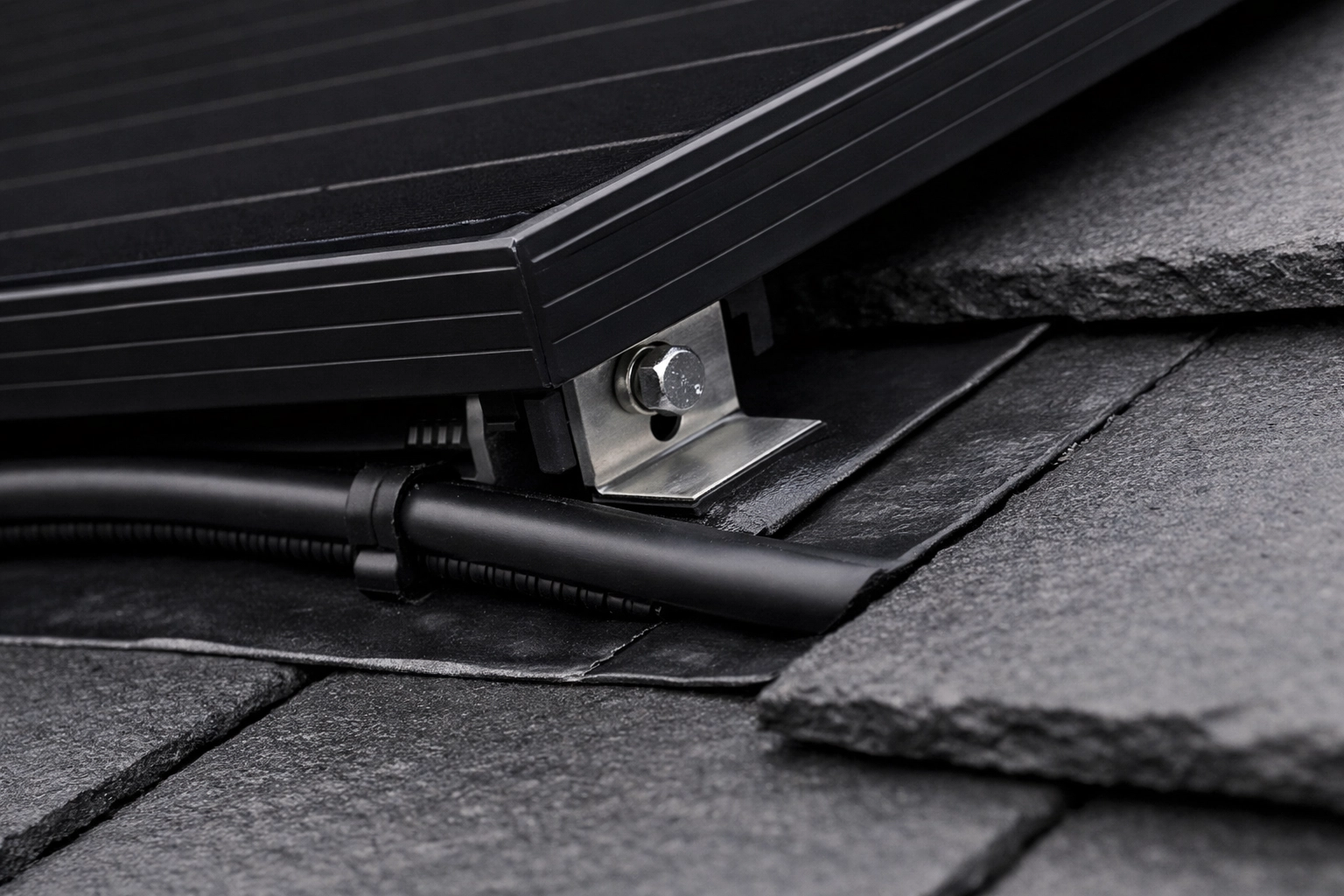
Professional installers use UV-rated conduits and secure all wiring to the mounting rail. Cowboys often leave wires trailing on the roof tiles. Over time, the wind causes these wires to rub against the tiles, wearing through the insulation and creating a direct fire risk.
High-Voltage Mismatches
The inverter is the "brain" of your system. It converts DC power from the panels into AC power for your home. If the inverter isn't precisely matched to the panel string's voltage, it can overheat and fail prematurely. Specialists use manufacturer-validated design tools to ensure every component is perfectly synced.
Mounting Systems
We see many DIY-style mounting jobs where hooks are screwed directly into rafters without proper flashing. This is a recipe for roof leaks. A professional installation uses high-quality, weather-sealed mounting systems designed to last as long as the panels themselves.
Aftercare: The 25-Year Relationship
Solar is not a "fit and forget" technology in the way a toaster is. It is a mini power station on your roof. To keep it at peak performance for 25+ years, you need a partner who provides ongoing support.
Cowboys disappear. Specialists provide:
- Real-time Monitoring: We can often see a fault in your system before you do, thanks to remote monitoring platforms.
- Annual Health Checks: Ensuring connections remain tight and panels are clean.
- Technical Support: If your Wi-Fi changes or you get a new smart meter, you need someone at the end of the phone to help you reconnect.
If you ever run into trouble, our technical support team is always available to ensure your downtime is kept to an absolute minimum.
Conclusion: Making the Right Choice
Investing in solar energy is one of the best decisions you can make for your home and the environment in 2026. However, the difference between a specialist and a cowboy is the difference between decades of free energy and a decade of headaches.
Don't settle for the "cheapest" quote. Look for the most comprehensive one. Look for the company that talks about MCS certifications, 3D shading, and long-term aftercare. At DES Renewable Energy Ltd, we are committed to being that partner for you.
Ready to see what a professional solar design looks like for your home?
Get a Bespoke Solar Quote Today
Whether you are interested in the latest Tesla Powerwall technology or want to discuss how we can future-proof your home, our team is here to help. You can also explore our case studies to see how we’ve helped other UK homeowners escape the pitfalls and embrace the future of energy.