


If you have spent any time researching solar panels in the UK, you have likely come across a sea of acronyms. From MCS and NAPIT to RECC and HIES, the renewable energy industry is heavily regulated. But as a homeowner, you might be wondering: are these just expensive badges that installers pay for, or do they actually offer you protection?
At DES Renewable Energy Ltd, we often hear from customers who have been offered "cut-price" installations from firms that lack these credentials. The temptation to save a few thousand pounds upfront is understandable, but the long-term reality of an uncertified installation is often a financial nightmare.
In this guide, we will strip away the jargon and explain exactly why these accreditations are the only thing standing between you and a voided warranty.
What is MCS and Why Should You Care?
The Microgeneration Certification Scheme (MCS) is effectively the "Gas Safe" of the renewable energy world. It is an industry-led quality assurance scheme that certifies both the products used and the competence of the installers.
While it is not a legal requirement to use an MCS-certified installer to physically bolt panels to your roof, it is a practical necessity for almost every UK homeowner for three primary reasons:
1. The Smart Export Guarantee (SEG)
If you want to get paid for the excess electricity you send back to the National Grid, you need an MCS certificate. Without it, energy suppliers will refuse to offer you a SEG tariff. Over 25 years, losing out on these payments can cost you thousands of pounds, significantly extending your "payback" period.
2. Mortgage and Insurance Validity
The UK lending market is increasingly strict regarding renewable technology. If you decide to sell your home or remortgage, the surveyor will ask for the MCS certificate. If you cannot provide it, the installation is often viewed as a liability rather than an asset. Furthermore, many home insurance providers will refuse to cover fire or structural damage if the solar system was not installed by an accredited professional.
3. Quality Assurance
MCS standards cover everything from the structural integrity of your roof fixings to the electrical efficiency of the stringing. When an installer is MCS-accredited, they are subject to regular audits to ensure their work meets stringent UK standards.
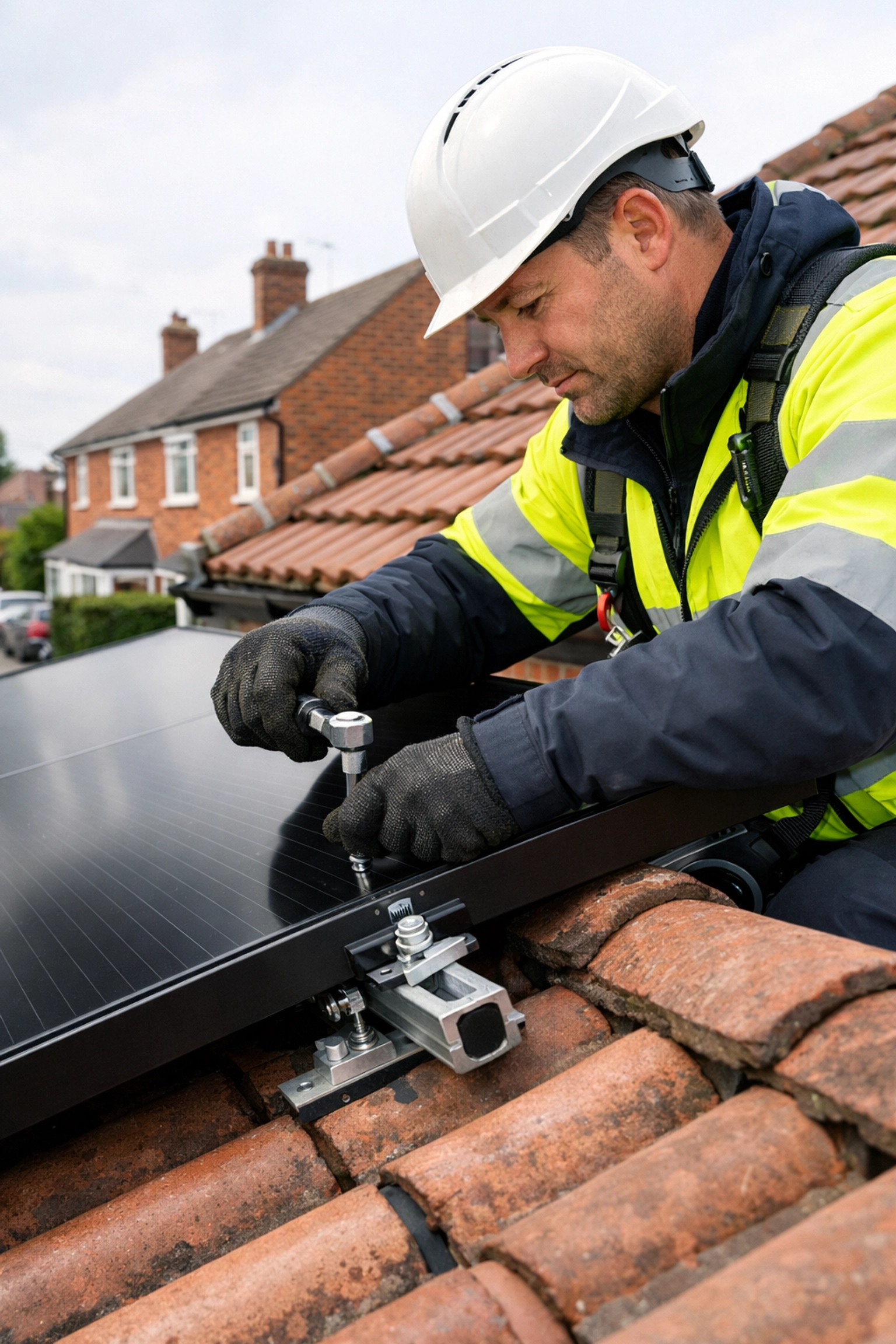
NAPIT: The Backbone of Electrical Safety
While MCS focuses on the "solar" aspect, NAPIT (National Association of Professional Inspectors and Testers) focuses on the "electrical" aspect.
Solar PV systems involve high-voltage DC (Direct Current) electricity, which is significantly more dangerous than the AC (Alternating Current) found in your standard plug sockets. An incorrectly installed inverter or a poorly crimped DC connector is a genuine fire risk.
A NAPIT-approved installer has demonstrated their competence in electrical design, installation, and testing. They are authorised to "self-certify" their work under Building Regulations (such as Part P in England and Wales). This means they can legally notify your local authority that the work is safe and compliant. If you use an uncertified installer, you would technically need to pay for a local building control officer to inspect the work, a process that is both expensive and fraught with bureaucratic hurdles.
For more information on the technical side of safe installations, you can explore our Expert Help & Advice section.
The Truth About Your Warranty: The "Hidden" Void Clause
This is where the reality of "budget" installations hits home. Most homeowners believe that if they buy a high-end Tier-1 solar panel with a 25-year warranty, they are protected no matter what.
This is a dangerous misconception.
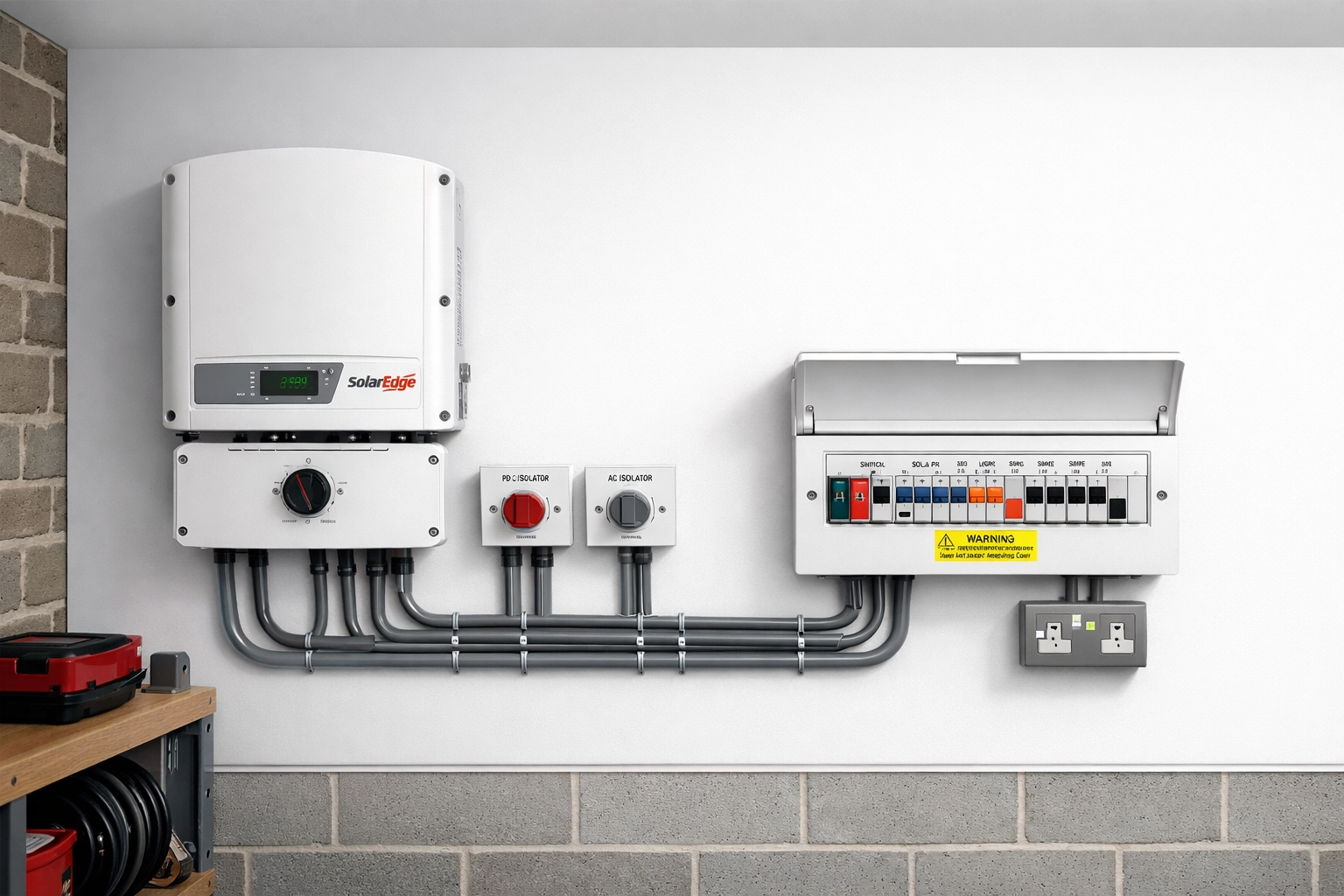
Nearly every major manufacturer, including giants like Tesla, SolarEdge, and GivEnergy, includes a clause in their warranty terms stating that the product must be installed by a "suitably qualified and accredited professional" in accordance with local regulations.
If your SolarEdge inverter fails in year seven, the manufacturer will ask for the commissioning report and the installer’s credentials. If the system was installed by a "Solar Cowboy" without MCS or NAPIT accreditation, the manufacturer can, and likely will, void your warranty immediately. You will be left with a useless piece of hardware and no recourse.
Product Warranty vs. Workmanship Warranty
It is also vital to distinguish between the two:
- Product Warranty: Covers the panels and inverter (usually 12–25 years).
- Workmanship Warranty: Covers the actual installation (leaks, loose wiring, etc.).
When you work with an accredited specialist like DES Renewable Energy Ltd, your workmanship warranty is often insurance-backed. This means that even if the installation company goes out of business, your warranty remains valid. Unaccredited installers rarely offer this level of security.
The Financial Risk of "Going Cheap"
Let’s look at a hypothetical scenario. You receive two quotes for a 4kW solar system with a battery:
- Quote A (Accredited Specialist): £8,500
- Quote B (Unaccredited "Handyman"): £6,500
At first glance, Quote B saves you £2,000. However, let’s look at the "Truth Costs" over 10 years:
| Feature | Accredited (Quote A) | Unaccredited (Quote B) |
|---|---|---|
| SEG Export Income | ~£150/year (£1,500 total) | £0 (Cannot register) |
| Inverter Failure (Year 6) | Covered by Warranty (£0) | Void Warranty (£1,200 + Labour) |
| Home Insurance Premium | Standard | Potential Increase or Refusal |
| House Sale Impact | Adds Value | Potential "Retention" or Issue |
| Total 10-Year Cost Position | +£1,500 | -£1,200+ |
In this scenario, the "cheaper" quote actually costs you significantly more in the long run. Solar is a long-term investment, not a quick fix. You can read more about the financial side of these decisions in our Solar Panel Investment guide.
Why We Only Install Tier-1 Equipment
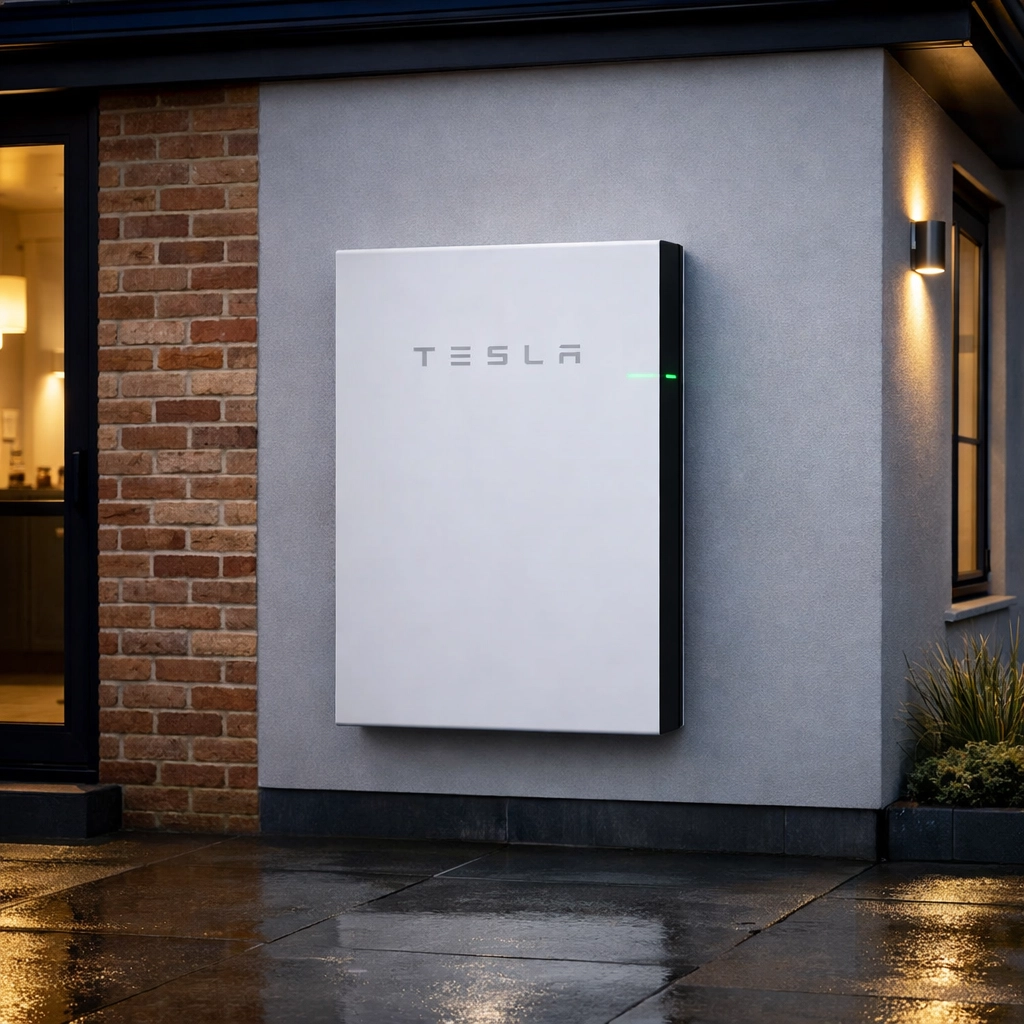
At DES Renewable Energy, our reputation is built on reliability. That is why we choose to partner with Tier-1 brands like Tesla and SolarEdge. These companies don't just sell hardware; they provide an ecosystem of support.
For instance, the Tesla Powerwall is one of the most advanced battery systems in the world, but its 10-year warranty is strictly tied to certified installation. By combining the best hardware with the highest level of accreditation, we ensure that your system remains a high-performing asset for 25+ years.
Spotting a "Solar Cowboy"
How do you know if a company is truly accredited? Don't just take their word for it or look at the logos on their website.
- Check the Databases: Go to the MCS website and search for the company name.
- Ask for the NAPIT Number: A legitimate installer will provide their registration number without hesitation.
- Check for Insurance-Backed Guarantees: Ask who provides their workmanship warranty.
- Beware of "Pushy" Sales: Professional firms focus on technical surveys and data; cowboys focus on "limited time offers" and pressure tactics.
Choosing a renewable energy partner is about finding someone who will be there for the "long haul." Solar systems require very little maintenance, but when you do need support, perhaps for a firmware update or a storm-damage assessment, you want a company that has a physical office and a track record of excellence.
Summary: Protecting Your Investment
Do you really need MCS and NAPIT accreditations? If you value your house insurance, your manufacturer's warranty, and your ability to earn money from your panels, then the answer is a resounding yes.
These certifications are not just red tape; they are your safety net. They ensure that your home remains safe, your investment remains protected, and your solar system performs at its peak for decades to come.
If you are ready to discuss a high-quality, fully accredited solar installation for your home, our team is here to help. We provide expert guidance tailored to your specific energy needs, ensuring you get the best possible return on your investment.
Ready to see what solar can do for your home?
Request a Professional Solar Quote Here
For more technical insights and home energy tips, visit our full blog here or contact our specialists today.