


You're thinking about solar panels for your Bournemouth home. Smart move. But now you're hearing about batteries, Tesla Powerwall, GivEnergy, and a bunch of other options, and wondering if you actually need one.
Here's the honest answer: No, you don't strictly need a battery to make solar work. But whether you should get one? That depends entirely on your situation, your energy bills, and what you want from your solar system.
Let's break down exactly when batteries make sense for Bournemouth homes, and when you can skip them.
How Solar Panels Work Without a Battery
Most solar installations in the UK are grid-tied systems without batteries. Here's how they work:
During the day, your solar panels generate electricity. Your home uses what it needs in real-time, running your fridge, charging devices, powering your kettle. Any excess electricity your panels produce gets automatically exported to the National Grid.
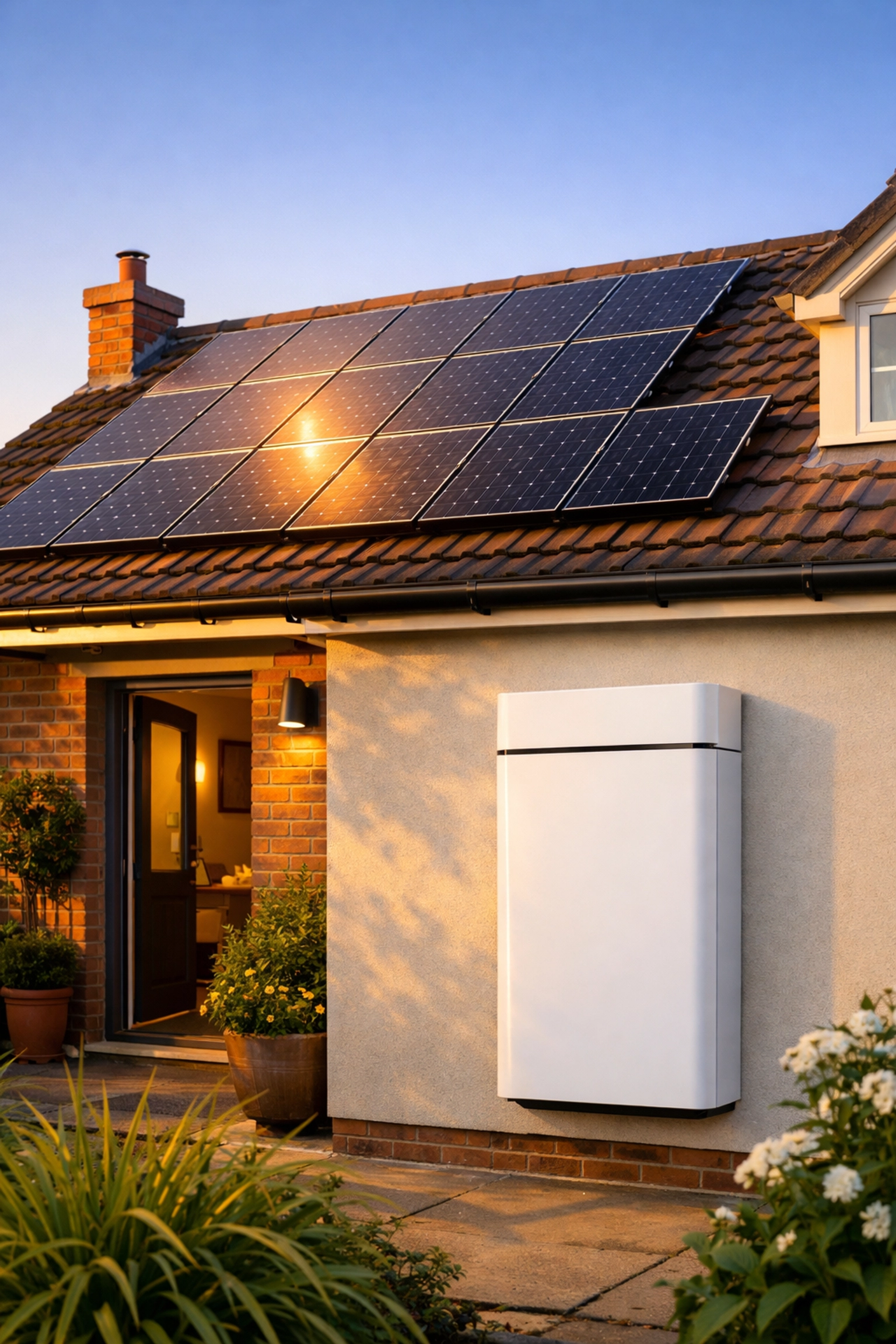
In exchange for that exported electricity, you earn credits through the Smart Export Guarantee (SEG). Different energy suppliers offer different rates, some pay around 4-6p per kilowatt-hour, while others (like Octopus Energy's export tariffs) can pay significantly more.
When the sun goes down or on cloudy days, you simply draw electricity from the grid like you normally would. You're still saving money because you've used free solar electricity during the day and earned export payments on the surplus.
This setup is simpler, cheaper upfront, and still delivers impressive savings. Most Bournemouth homeowners see payback periods of 6-9 years without batteries, compared to 9-13 years when batteries are included.
So if batteries aren't essential, why would anyone bother with them?
When Battery Storage Actually Makes Sense
Batteries aren't for everyone, but they're brilliant in certain situations. Here are the scenarios where adding a Tesla Powerwall or GivEnergy battery to your Bournemouth home genuinely pays off.
You Have Time-of-Use Electricity Tariffs
This is the big one. If you're on a tariff like Octopus Agile or Octopus Flux, your electricity costs change throughout the day based on demand.
Here's the typical pattern:
- Off-peak rates (overnight, early morning): 7-12p per kWh
- Standard rates (daytime): 15-25p per kWh
- Peak rates (4pm-7pm): 30-40p+ per kWh
Without a battery, your solar panels might be generating loads of electricity at 2pm when you don't need it. Then at 6pm when you're cooking dinner, running the dishwasher, and charging your electric vehicle, you're buying expensive peak-rate electricity from the grid.
A battery changes this equation completely. Your panels charge the battery during the day, then you use that stored solar electricity during expensive peak hours. You're essentially time-shifting your solar generation to match your consumption.
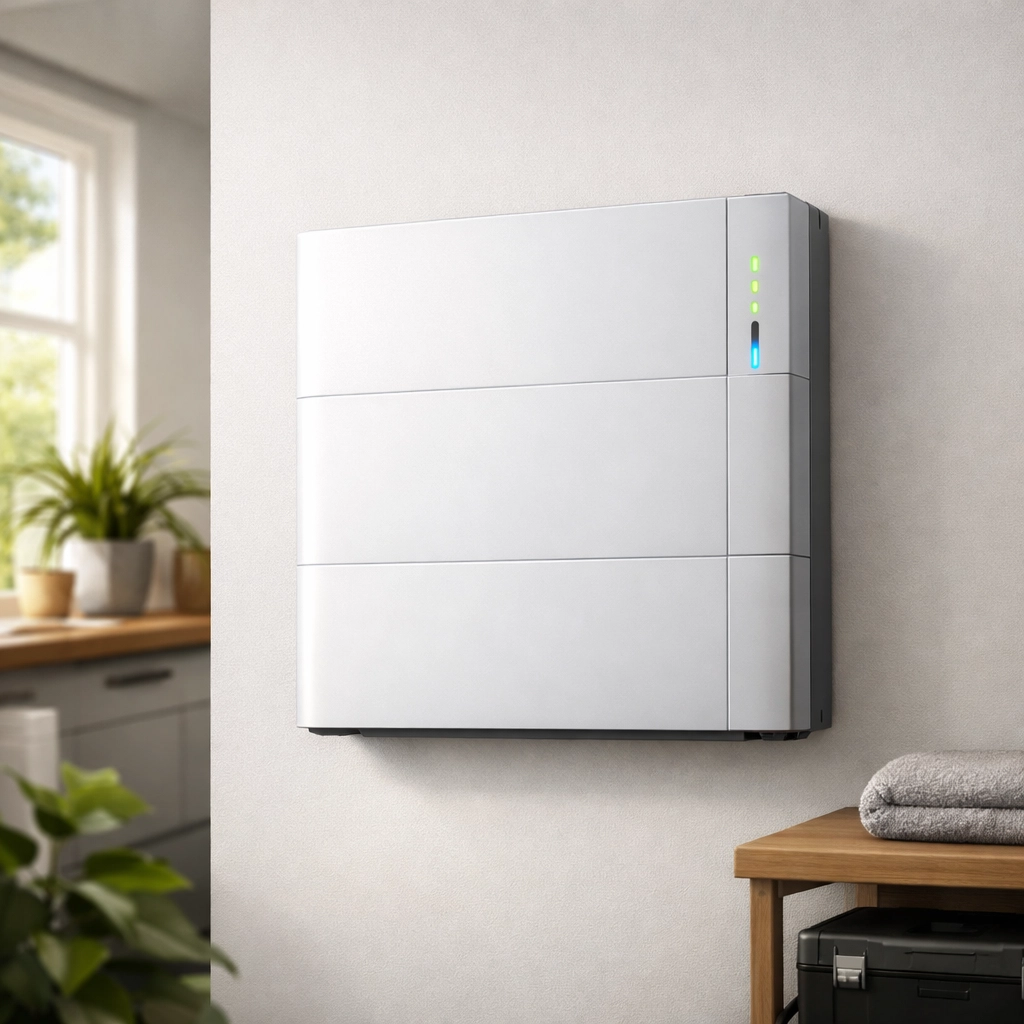
For Bournemouth households using 3,500-4,500 kWh annually (typical for a 3-4 bedroom home), this can add £300-600 per year in additional savings beyond what solar panels alone deliver.
You Want Real Energy Independence
Let's be honest, energy prices have been all over the place. The energy price cap, standing charges, and unit rates seem to change constantly.
A battery gives you control. With a properly sized system (typically a 10-15 kWh battery paired with 4-6 kW of solar panels), many Bournemouth homes achieve 70-90% energy independence during spring and summer months, and 40-60% during winter.
That means you're drawing very little from the grid. You're insulated from price fluctuations. And you've got predictable energy costs locked in for decades.
You Need Backup Power During Outages
Standard grid-tied solar systems automatically shut down during power cuts, it's a safety regulation to protect grid workers. But if you add a battery with backup capability, your home can keep running.
While major blackouts are relatively rare in Bournemouth and Dorset, they do happen, storms, grid maintenance, or unexpected faults. With a battery system configured for backup, your essential circuits stay powered:
- Fridge and freezer
- Lighting
- Internet router
- Phone charging
- Heating controls
Both Tesla Powerwall and GivEnergy batteries offer backup functionality, though the setup varies. As Tesla and GivEnergy certified installers, we configure these systems specifically for your priorities, whether that's maximum backup duration or seamless whole-home coverage.
You're Future-Proofing for an Electric Vehicle
Planning to go electric in the next few years? A solar battery becomes even more valuable.
EVs typically need 20-40 kWh to fully charge, depending on the model. If you're charging from the grid at peak rates, that's expensive. But with a battery system, you can:
- Charge your battery from solar during the day
- Use stored solar to top up your EV overnight
- Take advantage of cheap overnight rates (if on Octopus Agile or similar) to charge both your battery and your car when electricity is cheapest
This strategy, solar plus battery plus EV, creates a fully integrated energy ecosystem for your home.
The Bournemouth Advantage: Why Batteries Work Well Here
Bournemouth's location on the south coast gives you a genuine advantage when it comes to solar generation.
You get roughly 1,400-1,600 hours of sunshine annually, which is above the UK average. Your solar panels will generate strong output during spring and summer, with decent winter performance compared to homes further north.
This means your battery gets charged more reliably throughout the year. You're not dealing with prolonged periods where generation is so low that the battery sits empty, a problem more common in Scotland or northern England.
Plus, Bournemouth's mix of detached, semi-detached, and terraced properties means most homes have suitable roof space for 8-16 solar panels (3-6 kW systems), which pairs perfectly with a 9.5 kWh Tesla Powerwall or 9.5-13.5 kWh GivEnergy battery.
Tesla Powerwall vs GivEnergy: What's the Difference?
At DES Renewable Energy, we're certified installers for both Tesla Powerwall and GivEnergy systems. Here's how they compare:
| Feature | Tesla Powerwall 3 | GivEnergy Battery |
|---|---|---|
| Usable Capacity | 13.5 kWh | 9.5 – 13.5 kWh (modular) |
| Power Output | 5 kW continuous | 3.6 – 6 kW depending on model |
| Backup Capability | Whole-home backup | Essential circuits backup |
| Warranty | 10 years | 12 years |
| Design | Sleek, minimalist | Compact, expandable |
| Typical Price | £9,000 – £12,000 installed | £6,500 – £9,500 installed |
Tesla Powerwall is the premium option, beautiful design, powerful output, and seamless integration if you're already in the Tesla ecosystem (or planning to be). It's the go-to choice if you want maximum backup power and whole-home coverage.
GivEnergy offers excellent value with modular capacity. You can start with one battery and add more later as your needs grow. The 12-year warranty is longer than Tesla's, and GivEnergy's UK-based support is responsive and thorough.
Both systems work brilliantly with smart tariffs and integrate with your solar panels seamlessly. The choice usually comes down to budget, backup requirements, and personal preference.

Making the Most of Smart Tariffs
If you do add a battery, pairing it with the right tariff multiplies your savings. Here's what Bournemouth homeowners should look at:
Octopus Flux is designed specifically for solar and battery systems. You get:
- Import rate: ~18-22p per kWh during peak
- Export rate: ~20-25p per kWh during peak export windows
- Cheap overnight rates: 16-18p per kWh
Octopus Agile offers half-hourly pricing that follows wholesale energy costs. Your battery can be programmed to charge when prices dip (sometimes even negative pricing, where you get paid to use electricity) and discharge during expensive periods.
Octopus Intelligent Tariffs (for EV owners) give you 7p per kWh overnight electricity. Your battery can charge during this window, then power your home the next day.
The right tariff can add £200-400 per year in extra savings on top of what your solar panels alone deliver.
The Cost Reality: Is It Worth It?
Let's talk numbers. For a typical Bournemouth home:
Solar panels only (4 kW system): £5,500-£7,500 installed
- Annual savings: £600-900
- Payback period: 6-9 years
Solar panels + battery (4 kW + 9.5 kWh battery): £12,000-£16,000 installed
- Annual savings: £900-1,400
- Payback period: 9-13 years
Yes, adding a battery increases your upfront investment. But the savings compound over time, especially if you're on time-of-use tariffs or planning to add an EV.
And here's something to consider: installing solar and battery together costs less than adding a battery later. If you think you'll want storage within 3-5 years, it makes financial sense to install both now.
So, Do You Actually Need a Battery?
Here's the bottom line for Bournemouth homeowners:
You probably don't need a battery if:
- You're on a standard flat-rate electricity tariff
- You use most of your electricity during daylight hours
- You want the fastest payback period
- You rarely experience power cuts and aren't concerned about backup
- You're working with a tight budget
You probably should consider a battery if:
- You're on (or planning to switch to) a time-of-use tariff like Octopus Flux or Agile
- Most of your electricity use happens in the evening
- You have or plan to buy an electric vehicle
- Energy independence is a priority for you
- You want backup power during outages
- You're staying in your home long-term (10+ years)
The best way to know for sure? Get a proper assessment. Every Bournemouth home is different: roof orientation, shading, your energy usage patterns, and your goals all factor into the decision.
As certified Tesla and GivEnergy installers, we can run the numbers specific to your situation and show you exactly what your savings would look like with and without battery storage.
Contact us for a free consultation and we'll help you figure out the right setup for your home: no pressure, just honest advice based on what actually makes sense for you.