


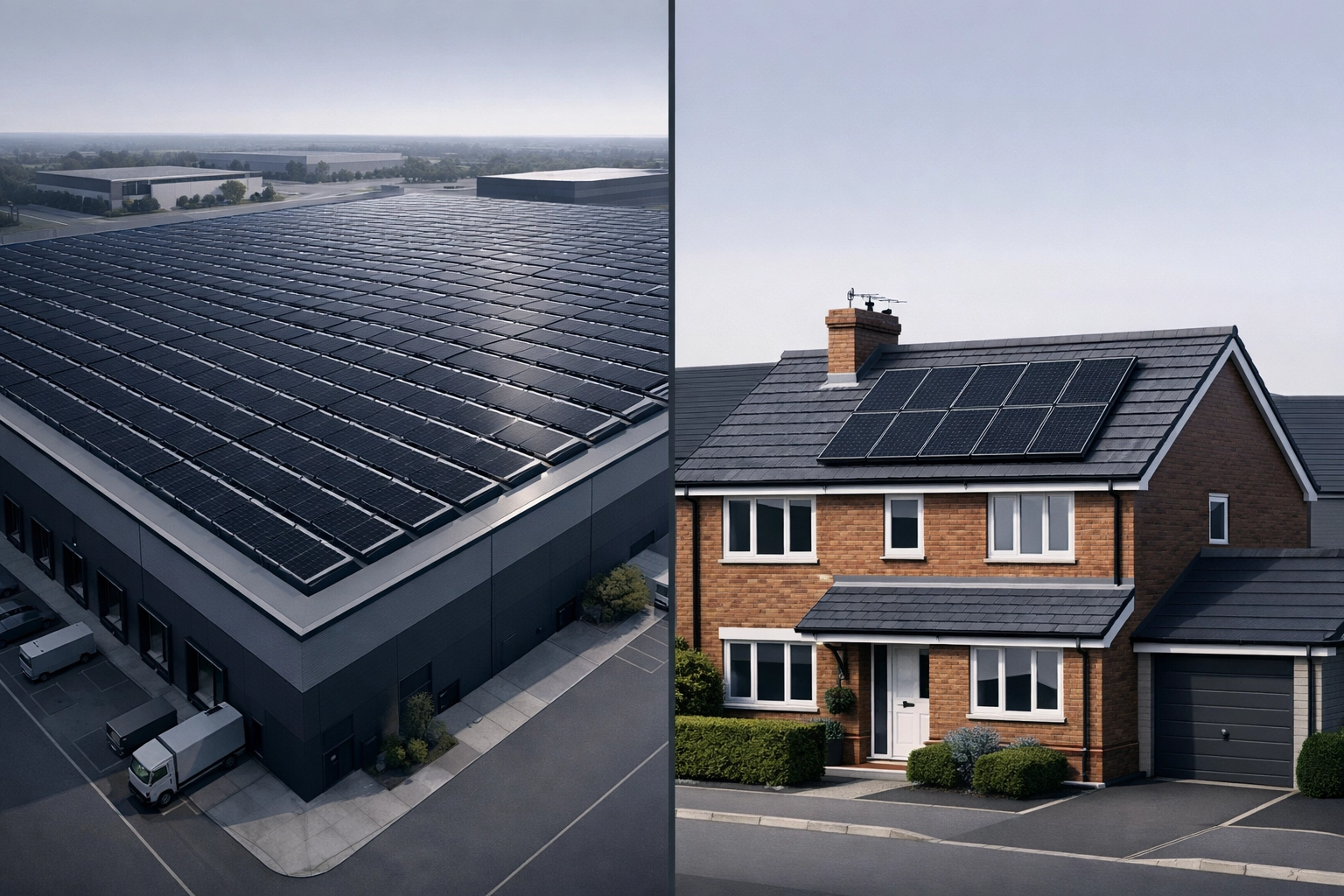
On paper, the maths looks straightforward. Commercial solar installations typically achieve payback in 3–7 years, while residential systems take 6–10 years. That's a gap of roughly 2–3 years, driven by scale, consumption patterns, and financial incentives unavailable to homeowners.
But if you dig beneath the surface, the picture becomes far more complex: and in the UK specifically, the gap can widen or vanish entirely depending on factors most solar guides overlook.
The Commercial Advantage: Scale and Consumption
The most obvious difference is sheer size. A commercial installation might feature 100+ panels generating 50kW or more, whilst a typical residential system sits at 10–15 panels producing 4–6kW. This scale delivers immediate financial benefits.
Commercial buyers negotiate bulk purchasing agreements, reducing the cost per watt significantly. A 50kW system doesn't cost ten times more than a 5kW domestic installation: the gap is far narrower. Installation costs per panel also drop when crews can complete larger jobs in a single mobilisation rather than travelling to individual homes.
Then there's consumption. A small business might use 40,000–60,000 kWh annually, compared to a household's 3,000–4,000 kWh. Higher consumption means more of the solar generation is used immediately on-site, maximising savings and avoiding export dependency. When a business generates £8,000–£12,000 in annual savings compared to a homeowner's £800–£1,200, payback naturally accelerates.
The UK VAT Divide: A Hidden Game-Changer
Here's where the UK departs sharply from international comparisons. Residential solar installations benefit from 0% VAT under current regulations, whilst commercial systems face the standard 20% VAT rate.
Let's put numbers to that. A £12,000 residential solar and battery system costs exactly £12,000 to the homeowner. The equivalent commercial system at the same pre-VAT price becomes £14,400 once VAT is applied. That's an extra £2,400 that extends payback timelines before the first panel is even mounted.
For businesses, that VAT can be reclaimed if they're VAT-registered, but it still impacts cash flow and initial capital requirements. Smaller businesses or those not VAT-registered absorb the full 20% as a sunk cost, fundamentally altering their ROI calculations.
This creates a paradox unique to the UK market: residential installations receive a structural cost advantage that partially offsets the commercial sector's economies of scale. In some scenarios, a well-designed residential system in a high-consumption household can match or even beat the payback period of a modestly sized commercial installation.
The Tax and Incentive Landscape
Commercial solar benefits from accelerated capital allowances, allowing businesses to deduct the full cost of the installation from taxable profits in the first year. For a company with a marginal tax rate of 25%, a £60,000 system delivers a £15,000 tax reduction immediately: effectively a 25% government subsidy on day one.
Residential systems don't generate equivalent tax benefits. The Smart Export Guarantee (SEG) provides payments for surplus energy exported to the grid, but rates typically range from 4p–15p per kWh: modest compared to the 24p–34p you'd pay to import electricity. Homeowners are incentivised to self-consume, not export, which limits the financial upside unless battery storage is added.

When Commercial Payback Actually Takes Longer
Here's what catches most people off guard: not all commercial installations outperform residential ones. A comprehensive analysis of UK commercial solar projects found an average payback period of 9.05 years: longer than many optimised residential systems.
Why? Installation complexity matters. A commercial roof might require structural surveys, planning permissions, three-phase electrical upgrades, and bespoke mounting systems for non-standard roof profiles. A terraced house with a south-facing pitched roof can be a textbook installation completed in two days with minimal complications.
Location also rewrites the script. A Bournemouth homeowner with high daytime electricity usage (home office, EV charging, heat pump) and a 6kW system can achieve payback in 5–7 years. A commercial warehouse in the same postcode with intermittent weekend-only operations might stretch to 8–10 years despite a larger system, simply because the generation-to-consumption match is poor.
Electricity Rates: The Great Equaliser
This is where geography and tariff selection become more influential than installation type. If you're on a variable tariff in an area where rates have climbed to 30p–34p per kWh, every kilowatt-hour your panels generate saves you significantly more than someone locked into a cheaper fixed rate at 20p.
Rising electricity prices compress payback periods aggressively. Model a scenario where rates increase 6% annually instead of 2%, and a residential system's payback can drop from 8 years to under 5. Commercial installations see the same effect, but because their baseline payback is already shorter, the relative improvement is less dramatic.
In coastal regions like Hampshire and Dorset, where DES Renewable Energy operates, irradiance levels are strong year-round. A well-angled system in Bournemouth or Christchurch can outperform national averages by 10–15%, tightening payback timelines for both residential and commercial clients.
The Battery Storage Factor
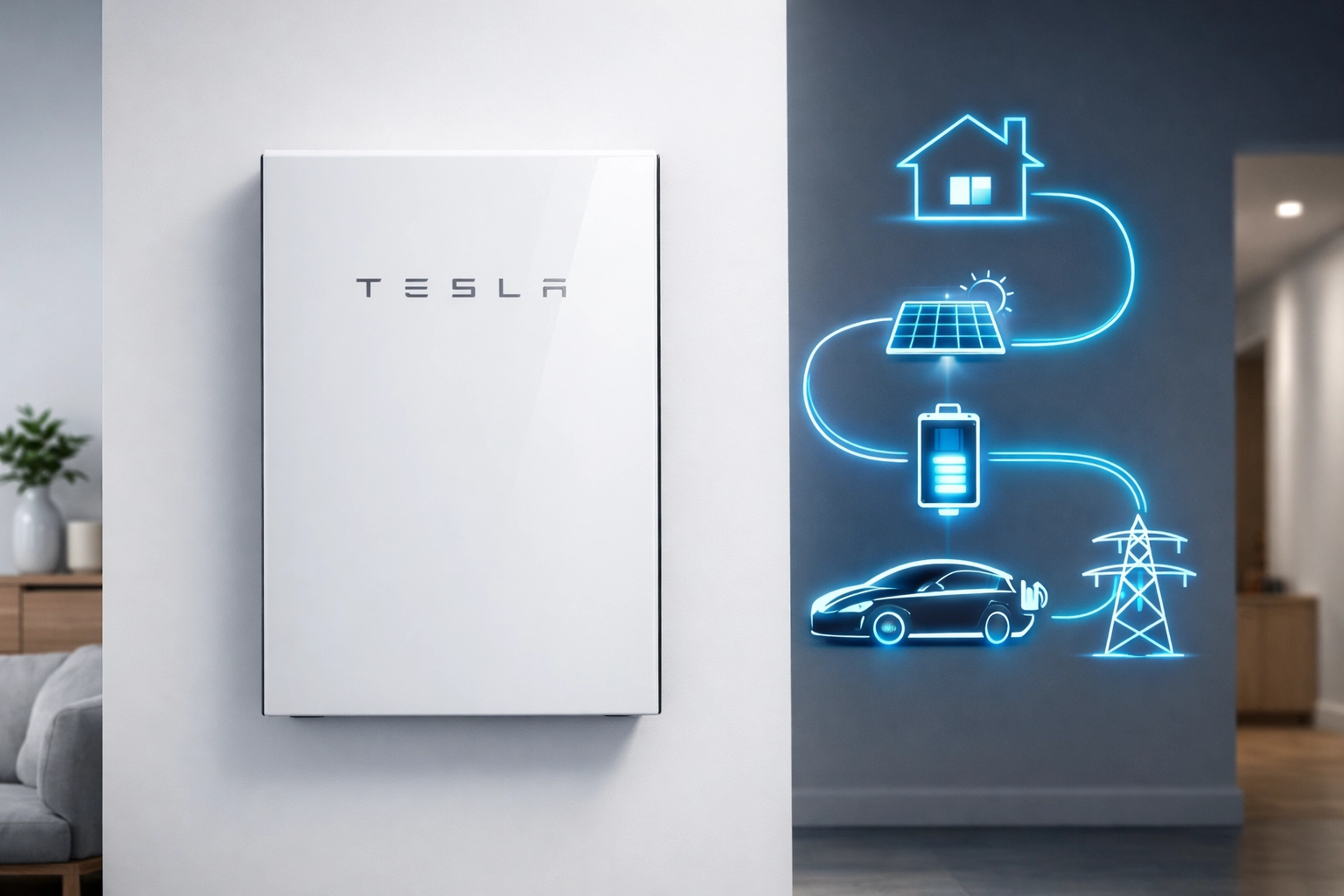
Add battery storage into the mix, and the comparison shifts again. Residential batteries (typically 5–10kWh) allow homeowners to store surplus solar generation for evening use, drastically reducing grid imports. This improves payback by increasing self-consumption rates from 40–50% without storage to 70–85% with it.
Commercial batteries are larger (20–100kWh+), but their ROI depends heavily on usage patterns and tariff structures. A business on a time-of-use tariff can charge batteries during cheap overnight periods and discharge during expensive peak hours: arbitrage that residential users rarely exploit to the same degree.
However, commercial battery costs per kWh don't scale as favourably as panels. A residential 10kWh battery might cost £6,000–£8,000 (£600–£800/kWh), whilst a 50kWh commercial unit could run £30,000–£40,000 (£600–£800/kWh): no meaningful economy of scale. Factor in the higher VAT, and residential battery storage can sometimes offer superior value per kWh stored.
What This Means for Your Decision
If you're evaluating solar: whether for your home or business: the "commercial is always faster" narrative doesn't hold up to scrutiny. Here's what actually matters:
For residential buyers:
- Zero VAT gives you a structural 20% cost advantage over commercial projects
- High daytime electricity use (home workers, heat pumps, EV charging) improves payback dramatically
- South-facing roofs with minimal shading are your biggest asset
- Battery storage is almost essential to maximise ROI in the current tariff environment
For commercial buyers:
- Your biggest advantage is consumption volume, not cost per watt
- Tax relief through capital allowances provides front-loaded returns
- Roof suitability and usage patterns matter more than system size
- Three-phase supply and grid connection complexity can add hidden costs
For both:
- Location and local electricity rates outweigh almost every other variable
- Rising energy prices are your friend: they shorten payback regardless of installation type
- The quality of the installation matters more than the headline price
- Professional design that matches generation to consumption patterns is non-negotiable
The Real Payback Gap? It's Not What You Think
The gap between commercial and residential solar payback isn't a fixed 2–3 years. It's a moving target shaped by VAT treatment, consumption patterns, roof complexity, tariff structures, and regional irradiance levels. In some scenarios, residential installations not only close the gap: they win outright.
What matters isn't whether you're a homeowner or a business owner. It's whether your specific circumstances: roof, location, usage, tariff: create an environment where solar delivers robust returns. The only way to know for certain is a detailed site survey and financial model tailored to your exact situation.
If you're ready to move beyond generalisations and get numbers specific to your property, DES Renewable Energy provides free, no-obligation assessments across the South Coast. Whether you're in Bournemouth, Chippenham, or anywhere between, we'll calculate your actual payback: not the theoretical one. Contact our team to get started.