


It’s April 2026, and if you’ve looked at your commercial energy bill lately, you probably didn't enjoy what you saw. Between global market volatility and the shifting landscape of the UK energy grid, costs aren't just rising: they're becoming harder to predict. But what if you could stop being a passive consumer and start being your own power plant?
Moving your business to solar power isn't just a "green" PR move anymore. It is a fundamental shift in how you handle your overheads. In fact, for many UK businesses, energy is now the second or third largest expense on the balance sheet. Taking control of that cost is the smartest move you can make this year.
We know it feels like a massive undertaking. You might be worried about the upfront costs, the technical jargon, or whether the UK weather is actually enough to power your operations. And that’s okay. We’re here to break down the reality of business solar power in 2026 with hard data, transparent advice, and a look at what the ROI actually looks like right now.
The Financial Landscape of 2026: Why Solar is No Longer "Alternative"
For years, solar was seen as an "alternative" energy source. Today, it’s arguably the most stable financial instrument a business can invest in. Why? Because while the stock market fluctuates and utility rates jump based on geopolitical events, the sun remains remarkably consistent.
According to latest projections and market analysis for 2026, commercial solar is outperforming traditional investments like the S&P 500. While a good year on the stock market might net you 10%, business solar power is currently delivering an average ROI of nearly 16%.
When you consider the Cornwall Insight forecasts and the recent Ofgem price cap updates, the urgency becomes clear. With the average business energy bill seeing significant pressure from global volatility, the margin between "grid price" and "solar price" has never been wider.
Breaking Down the Numbers: 2026 ROI and Payback Data
You need specifics to make a business case, not just vague promises of "savings." Let's look at the actual performance data we’re seeing across the industry this year.
Average Commercial ROI Performance
| Installation Type | Average ROI (2026) | Average Payback Period |
|---|---|---|
| Roof Mounted | 15.77% | 9.01 Years |
| Ground Mounted | 16.45% | 9.29 Years |
| BESS Integrated (Battery) | 14.10% | 10.5 Years |
As you can see, the payback period is now hovering around the 9-year mark. Given that most high-quality Tier 1 panels (like the ones we use in our commercial case studies) are warrantied for 25 to 30 years, you’re looking at over 15 years of essentially "free" energy after the system has paid for itself.
But it’s not just about the long term. From day one, your cash flow improves because your monthly outgoing to the National Grid drops significantly. If you’ve worked with Octopus as a trusted solar partner, you’re likely also benefiting from smart export tariffs that pay you for the excess energy you don't use.
The Advantages and Disadvantages of Solar Power
We promised to be honest, and that means looking at both sides of the coin. Every salesperson will tell you the benefits, but a true partner will tell you the hurdles, too.
The Advantages
- Predictability: You can't control the price of gas or the decisions of utility companies. But with solar, you know exactly what your "generation cost" is for the next 25 years. It’s fixed.
- Tax Incentives: Between capital allowances and potential grants, the government is still making it very attractive for businesses to decarbonise.
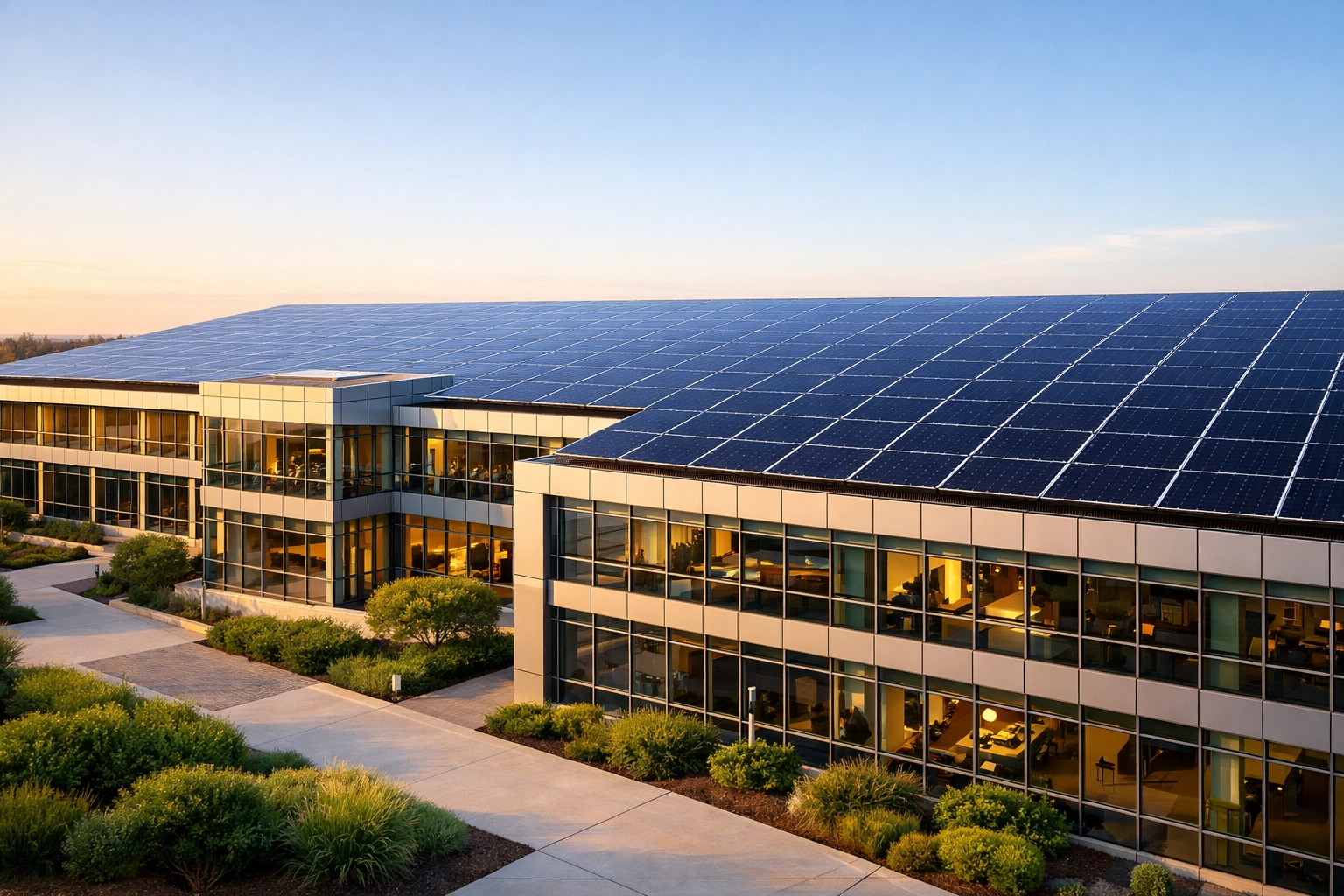
- Brand Value: Your customers care about your carbon footprint. Showing a massive solar array on your warehouse roof isn't just functional; it's a statement of values.
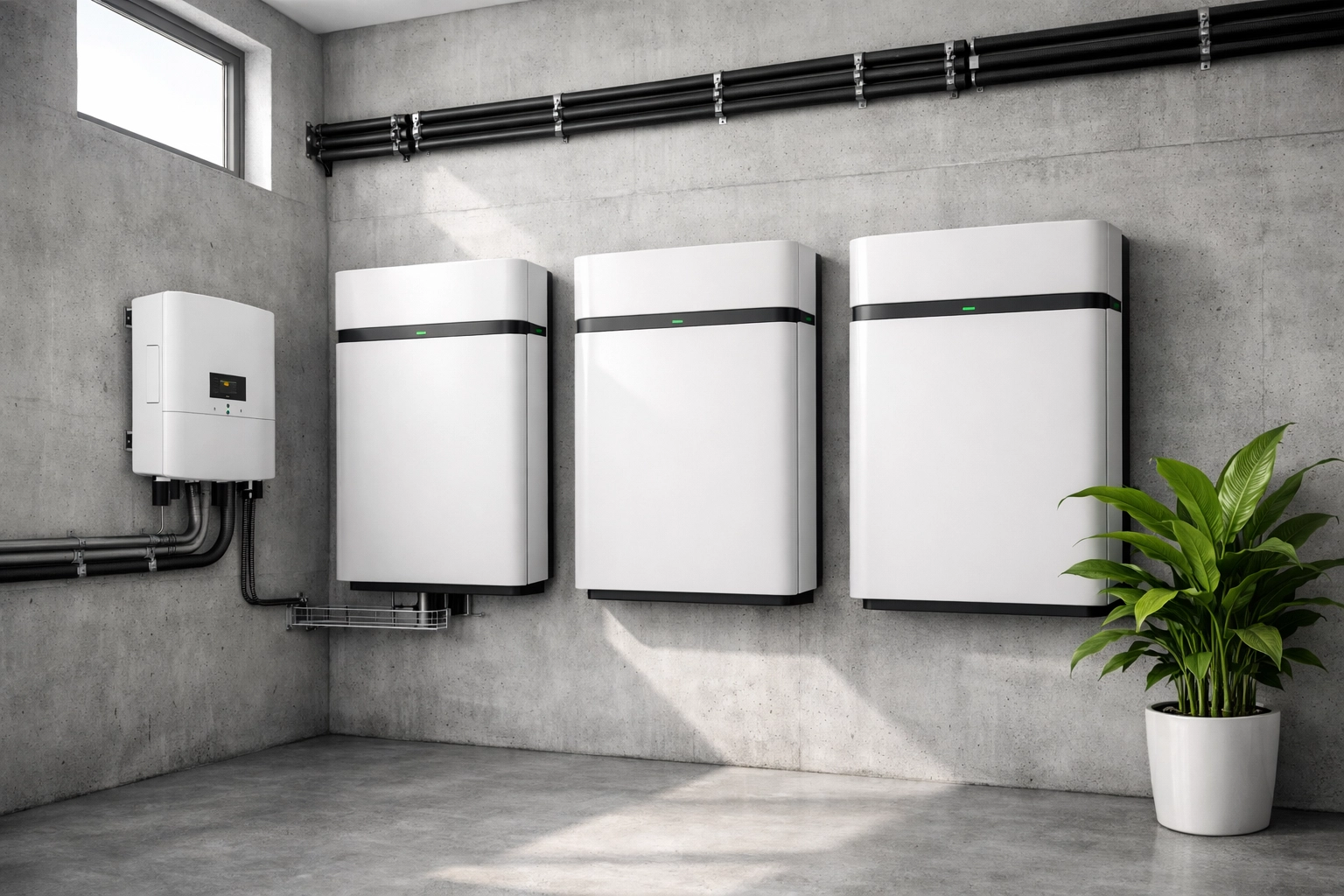
- Energy Independence: When the grid is under pressure, having your own generation and storage (like a Tesla Powerwall system) gives you a level of resilience that your competitors might lack.
The Honest Disadvantages
- Upfront Capital: Even with a great ROI, the initial check is large. For a medium-sized warehouse, you might be looking at £50,000 to £200,000+. And that’s okay: there are financing options, but it is a significant commitment.
- Roof Suitability: Not every roof is ready. If your building is older, you might need structural reinforcements before we can even think about panels.
- Intermittency: The sun doesn't shine at night. If your business runs 24/7, you must invest in battery storage or stay reliant on the grid for half your operations.
- Aesthetics: Some business owners don't like the look of panels. While modern "all-black" panels are much sleeker, they are still a visible addition to your property.
Understanding ROI: Roof vs. Ground Mount
Should you put panels on your roof or use that empty patch of land behind your factory?
Roof Mounts are generally the go-to for businesses. They utilize "dead space" that isn't doing anything else. Because the structure (the building) is already there, the installation costs are typically lower, leading to a slightly faster payback period of around 9 years.
Ground Mounts, on the other hand, often produce more energy. Why? Because we can angle them perfectly towards the sun, rather than being stuck with the pitch of your roof. They are also easier to clean and maintain. While they cost a bit more to install because of the framing required, the 16.45% ROI often makes them the better long-term financial choice if you have the space.
Maintenance Tips for Commercial Systems
One of the biggest myths we hear is that solar panels are "fit and forget." While they are very low maintenance, they aren't no maintenance. If you want to keep that 15.87% ROI, you need to look after your investment.
- Annual Professional Checks: We recommend a professional inspection once a year. We check for "hot spots," loose wiring, and inverter health. You can find more about this on our technical support page.
- Keep Them Clean: If your business is near a dusty road or a construction site, grime can build up. A 10% layer of dust can mean a 10% drop in energy production. A simple wash (using the right equipment) once or twice a year is usually enough.
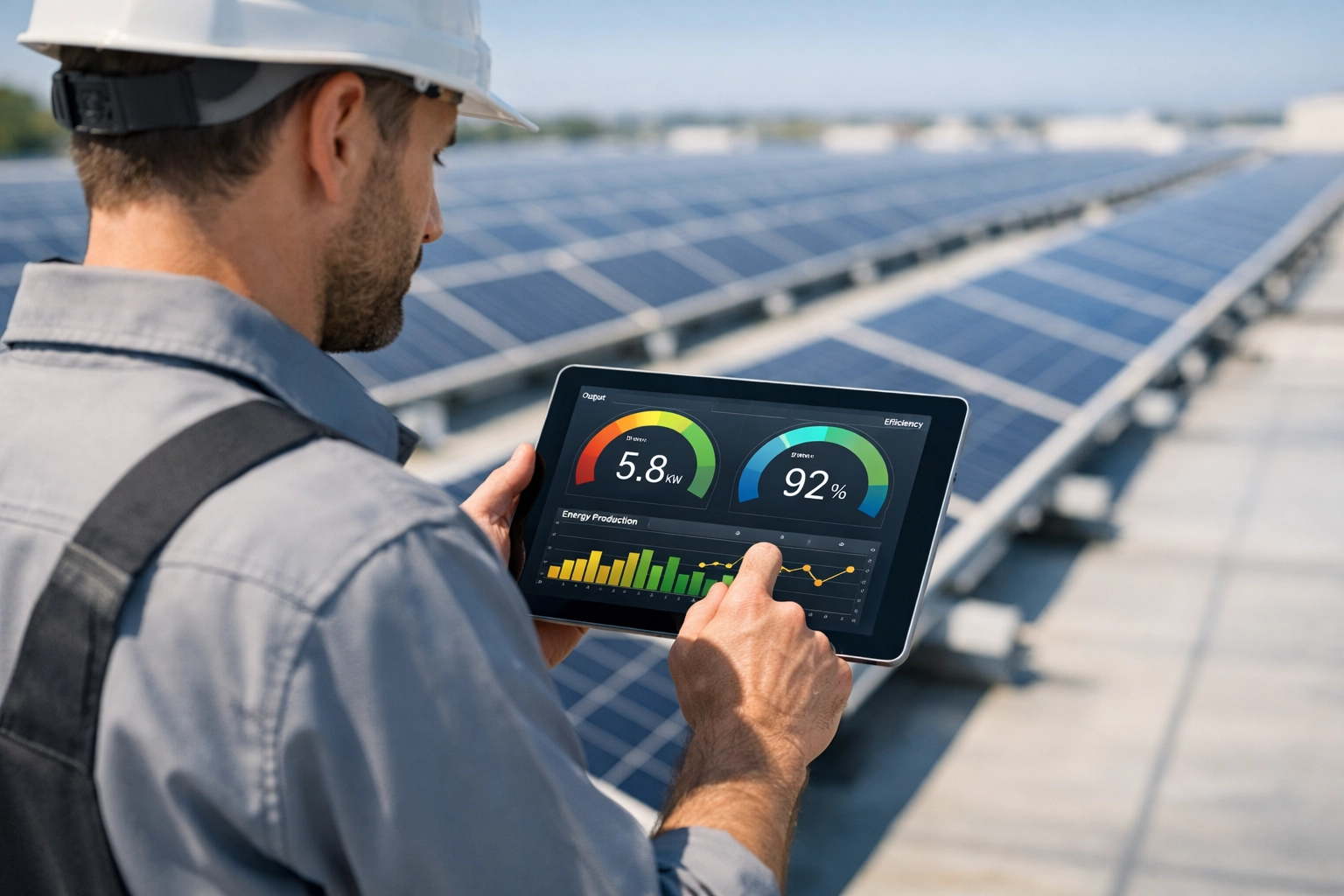
- Monitor the Inverter: The inverter is the "brain" of the system. Most modern setups, like our SolaX or SolarEdge installations, come with an app. Check it once a week. If you see a dip in production that doesn't match the weather, call us.
- Pest Control: Birds love the warmth under solar panels. Installing bird guards early on can save you a massive headache (and a mess) later down the line.
How to Handle the "Upfront Cost" Worry
If you’re sitting there thinking, "The ROI sounds great, but I don't have £100k sitting in a drawer," you aren't alone. Most of the businesses we work with don't buy their systems outright with cash.
There are two main ways to handle this:
- Solar Leases: You pay a fixed monthly fee to use the equipment. You get the energy savings, and the lease is usually structured so the savings are higher than the lease payment.
- Asset Finance: You take a loan specifically for the solar panels. The interest is often tax-deductible, and you own the asset at the end of the term.
The best way to figure out which path is right for you is to look at your specific energy usage. We’ve helped hundreds of companies navigate this, and you can see who we've partnered with on our commercial partners page.
Why Now is the Time to Act
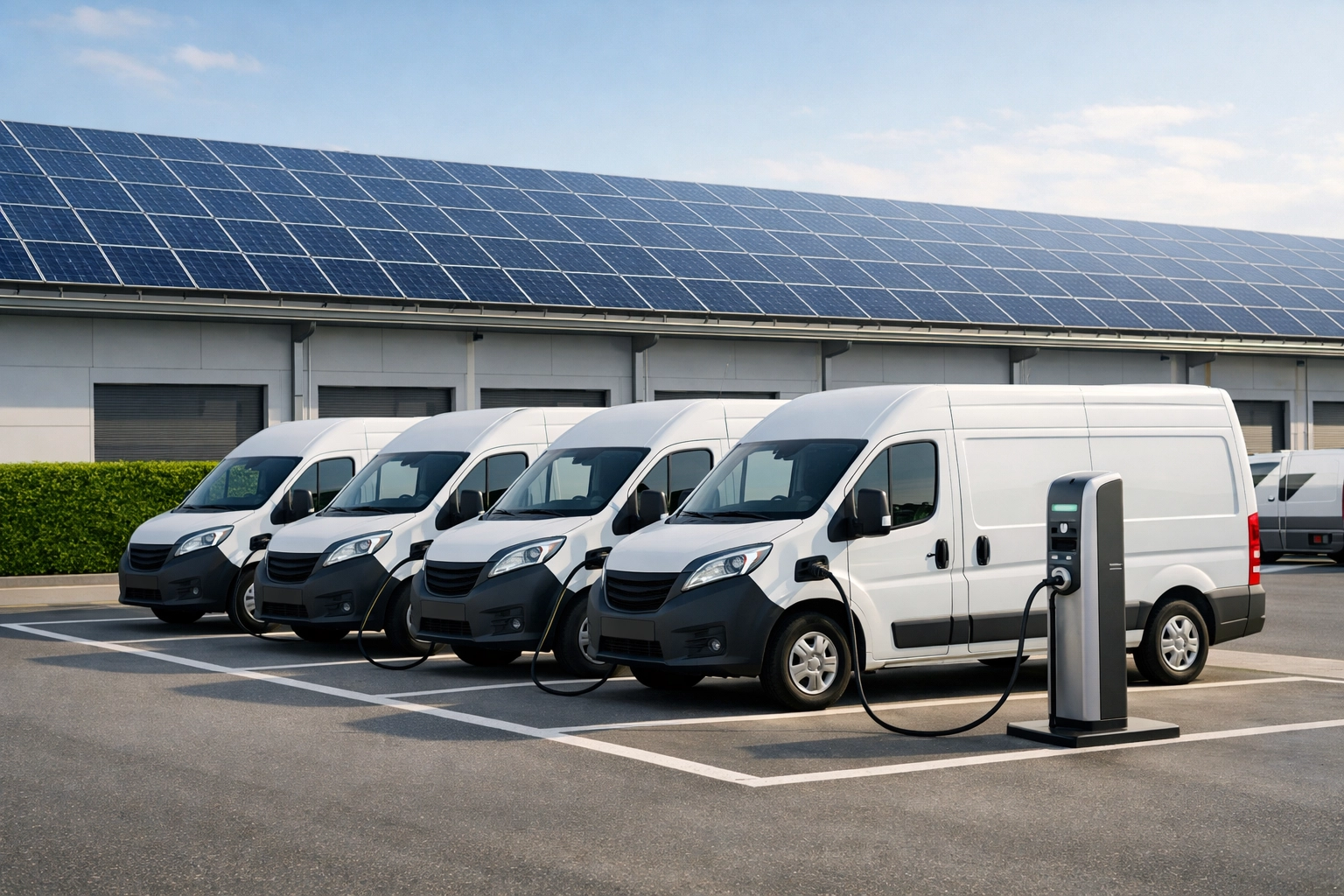
Wait-and-see was a valid strategy in 2020. In 2026, it’s a strategy that’s costing you money every single month. As more businesses move to electric vehicle fleets and heat pumps, their demand for electricity is skyrocketing.
If you wait another two years, you’ll have paid two more years of inflated utility bills: money that could have been going toward your 9-year payback period.
Next Steps for Your Business
Navigating commercial solar can feel like learning a new language. Between DC/AC ratios, p-type vs. n-type cells, and export limits, it’s easy to feel overwhelmed. But you don't have to be an expert: that's what we're here for.
The first step isn't buying panels; it’s getting the data. We provide detailed site surveys that look at your roof, your half-hourly energy data, and your financial goals to create a bespoke ROI forecast.
If you’re ready to stop worrying about the next energy price hike and start generating your own power, we’d love to help.
Contact us to discuss your needs or head over to our solar quote page to get a preliminary idea of what your system could look like. Whether you're looking for GoodWe installers or just want some general advice on where to start, our team is here to guide you through every step of the process.
Energy costs don't have to be a gamble. Let's make them a predictable, manageable part of your success story.