


It is Wednesday, April 1st, 2026. If you are running a business in Dorset right now, you’ve likely noticed that the "energy transition" is no longer a buzzword, it’s a line item on your balance sheet that demands attention.
For the last few years, we’ve seen energy prices fluctuate wildly due to global instability and shifting grid demands. But as we move into the second quarter of 2026, something interesting has happened. Solar technology has reached a point of peak efficiency, and installation costs have plateaued. For a local business, this creates a "perfect storm" for investment.
At DES Renewable Energy Ltd, we’ve been watching these trends closely. We believe that 2026 is the definitive year for Dorset companies to move from "considering solar" to "locking it in." Why? Because the path to a 5-year Return on Investment (ROI) has never been clearer.
The 5-Year ROI: Breaking Down the Numbers
When we talk about business solar power, the first question is always: "How long until this pays for itself?"
In 2024, the average ROI for a commercial system was roughly 6 to 8 years. But in 2026, thanks to more efficient inverters and higher-density panels, we are seeing many of our Dorset clients hit that "magic" 5-year break-even point.
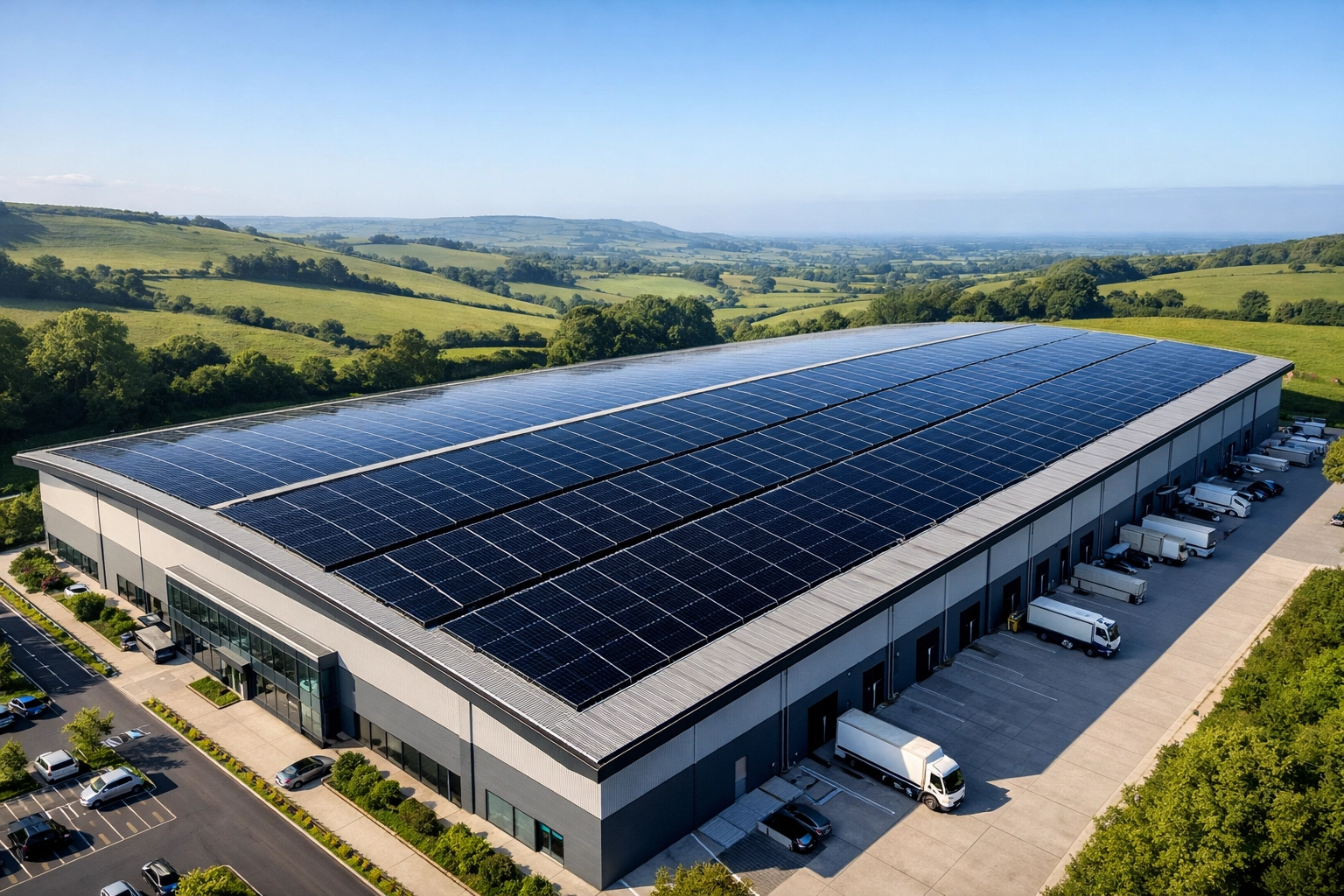
Let’s look at a hypothetical (but realistic) example for a medium-sized warehouse in Poole or Dorchester:
| Feature | Estimated Value |
|---|---|
| System Size | 50kWp (approx. 110-120 panels) |
| Total Installation Cost | £42,000 – £48,000 |
| Annual Energy Generation | 48,500 kWh |
| Annual Savings (at 25p/kWh) | £12,125 |
| Smart Export Guarantee (SEG) Revenue | £1,200 |
| Estimated Payback Period | 4.2 to 5.1 Years |
Note: These figures depend on your specific roof orientation and energy usage patterns. If you use most of your power during daylight hours, your ROI accelerates even faster.
And that's okay if your numbers look slightly different. Every building is unique, and our job is to find the configuration that squeezes every penny of value out of your roof space. You can explore some of our commercial case studies to see how businesses like yours have achieved these results.
The Advantages and Disadvantages of Solar Power (The Honest Truth)
We promised to be transparent, so let’s talk about the advantages and disadvantages of solar power. We aren't here to tell you that solar is a magic wand that solves every problem. It’s a tool, and like any tool, it has its limits.
The Advantages
- Fixed Energy Costs: You are essentially "pre-buying" your electricity for the next 25 years at a fixed rate. No more panicking when the news mentions global energy price hikes.
- Tax Efficiency: Many businesses can still take advantage of capital allowances, allowing you to write off the cost of the installation against your taxable profits.
- Brand Reputation: In 2026, customers care about your carbon footprint. Showing that your Dorset facility is powered by the sun is a powerful marketing tool.
- Low Maintenance: Unlike a fleet of vehicles, solar panels have no moving parts. Once they are up, they just work.
The Disadvantages
- The Upfront Cost: Even with a 5-year ROI, £45,000 is a significant capital outlay. We understand if that feels daunting, but there are various financing options available.
- Roof Suitability: If your roof is north-facing or heavily shaded by taller buildings, solar might not be the best fit for you. We will always tell you if the data doesn't add up.
- Weather Dependence: Yes, we are in Dorset. While we get some of the best sunshine in the UK, we also get our fair share of grey days. Your system will still produce power in the rain, but at a lower rate.
- Intermittency: If you need high power at 10 PM, solar won't help you unless you invest in battery storage, like a Tesla Powerwall.
Why 2026? The "Dorset Factor"
Dorset is currently becoming a hub for renewable energy. We’ve seen massive projects like the 42.43 MWp solar farm in Christchurch and the 50MW plant in Chickerell gain momentum. This local focus is driving down the cost of components and increasing the availability of skilled installers.
But there is also a deadline looming. Schemes like the ECO4 grant are set to conclude in December 2026. While primarily residential, the shift in government focus often leads to changes in commercial incentives and grid connection regulations. By starting your project now, you avoid the "end-of-year rush" and ensure your grid connection application is processed before the queue grows too long.
We’ve worked with many local organisations through our partnership as an Octopus trusted solar installation partner, and the feedback is consistent: the sooner you start, the sooner you stop "renting" your power from the grid.
Maintenance: Keeping Your ROI on Track
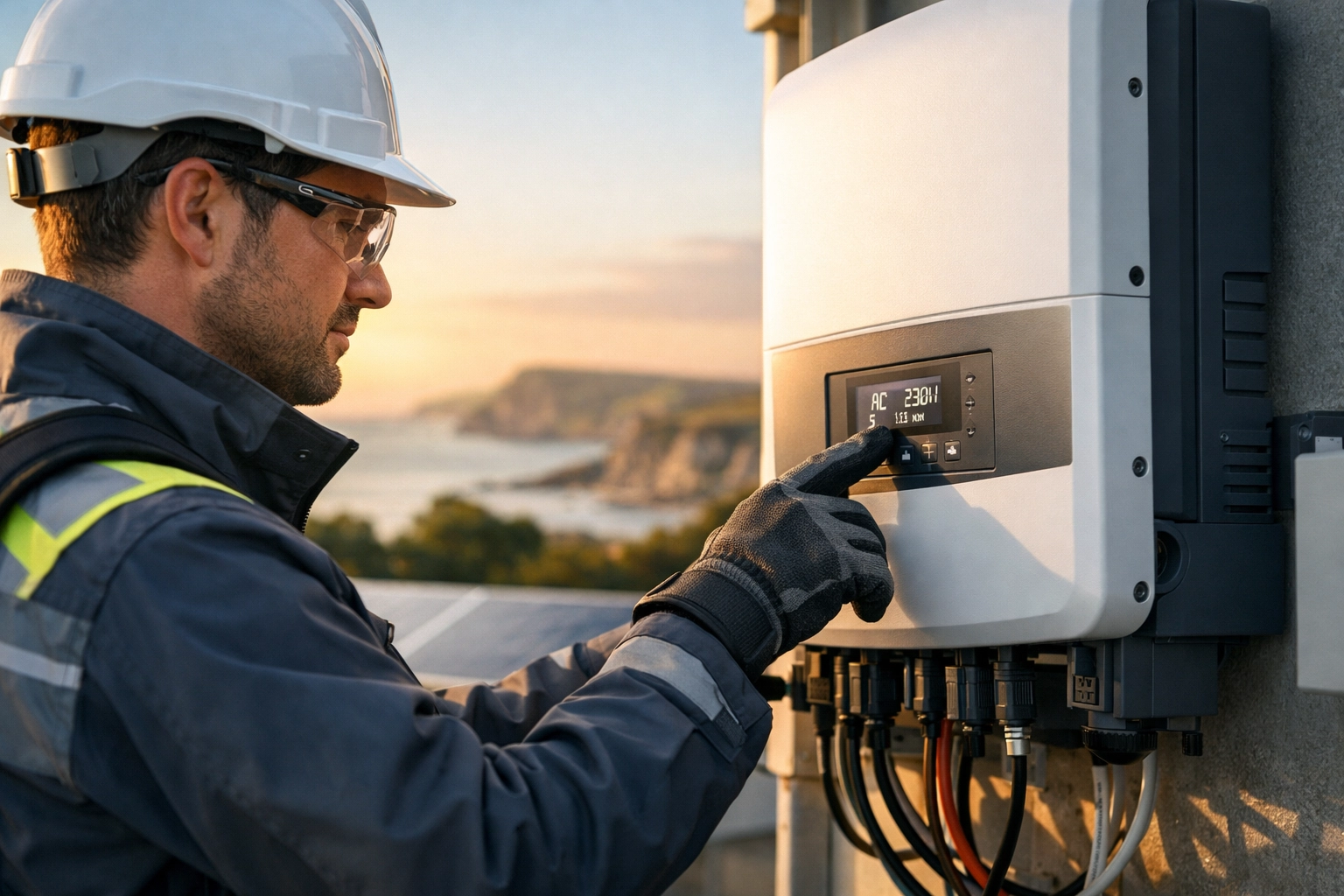
To keep that 5-year ROI timeline, your system needs to perform at its peak. Dust, seagull droppings (a classic Dorset challenge!), and general grime can reduce your panel efficiency by 10-15% if left unmanaged.
We recommend a simple solar PV maintenance and cleaning schedule. A quick professional check once a year ensures that your inverters are healthy and your panels are clear. If something does go wrong, say, a rogue storm pushes a branch onto your array: don't worry. We offer solar PV insurance repair to get you back online quickly.
Remember, every day your system is underperforming is a day your ROI gets pushed back. A little bit of care goes a long way.
Is Your Business Ready?
We understand that making the jump to business solar power is a big decision. You might be wondering about the structural integrity of your roof, or how a 100-panel installation will affect your daily operations.
And that’s okay. That’s exactly why we are here.
Our process is built on education, not high-pressure sales. We start with a technical site survey to see if your building is actually a good candidate. We’ll look at your half-hourly energy data to build a bespoke model of your savings. If the numbers don't show a clear benefit, we’ll be honest with you.
Next Steps to Consider:
- Review your energy bills: Look for your peak usage times. Are they between 9 AM and 5 PM? If so, you are a prime candidate for solar.
- Check your roof: Is it south, east, or west-facing? Is it in good repair?
- Research your installers: Look for experience and local knowledge. You can see who we've helped on our commercial "we have worked with" page.
Final Thoughts from DES Renewable Energy Ltd
As we look at the remainder of 2026, the case for commercial solar in Dorset is stronger than ever. The technology is mature, the local infrastructure is growing, and the financial incentives for early adoption are still very much in play.
If you’re tired of the unpredictability of the energy market and want to take control of your company’s future, now is the time to act. Don't let another summer of Dorset sunshine go to waste on an empty roof.
Ready to see what the numbers look like for your specific building?
We’d love to help you figure it out. Whether you are just starting your research or you're ready for a full technical audit, we are here to provide the expertise you need.
Contact us to discuss your needs or request a solar quote today. Let's make 2026 the year your business goes green: and stays in the black.