


If you are running a business, every penny counts. You likely spend hours looking at spreadsheets, trying to find ways to shave off overhead costs. And usually, the biggest, most stubborn line item is your energy bill.
You have probably thought about business solar power before. But maybe you hesitated. Perhaps you thought the "payback period" was too long, or the technology was too complex. We understand if you’re scratching your head over the conflicting information out there, and that’s okay.
The truth is, the financial landscape for commercial solar has shifted. Between rising energy costs and new tax incentives, your Return on Investment (ROI) could be significantly faster than you think.
The Bottom Line: Understanding Commercial Solar ROI
When we talk about ROI in the world of renewable energy, we are looking at how quickly the savings on your electricity bills (plus any income generated) cover the initial cost of the installation.
According to recent industry data, the average commercial solar ROI sits at approximately 15.87%. While many business owners expect a 15-year wait to break even, the reality is that many systems now reach their "payback point" in roughly 5 to 9 years.
How the Numbers Stack Up
Let’s look at a practical example. Imagine a medium-sized manufacturing facility. If that business installs a system that produces 260,000 kWh annually and they currently pay a rate of £0.13/kWh (or the local equivalent), they could see first-year savings of over £33,800.
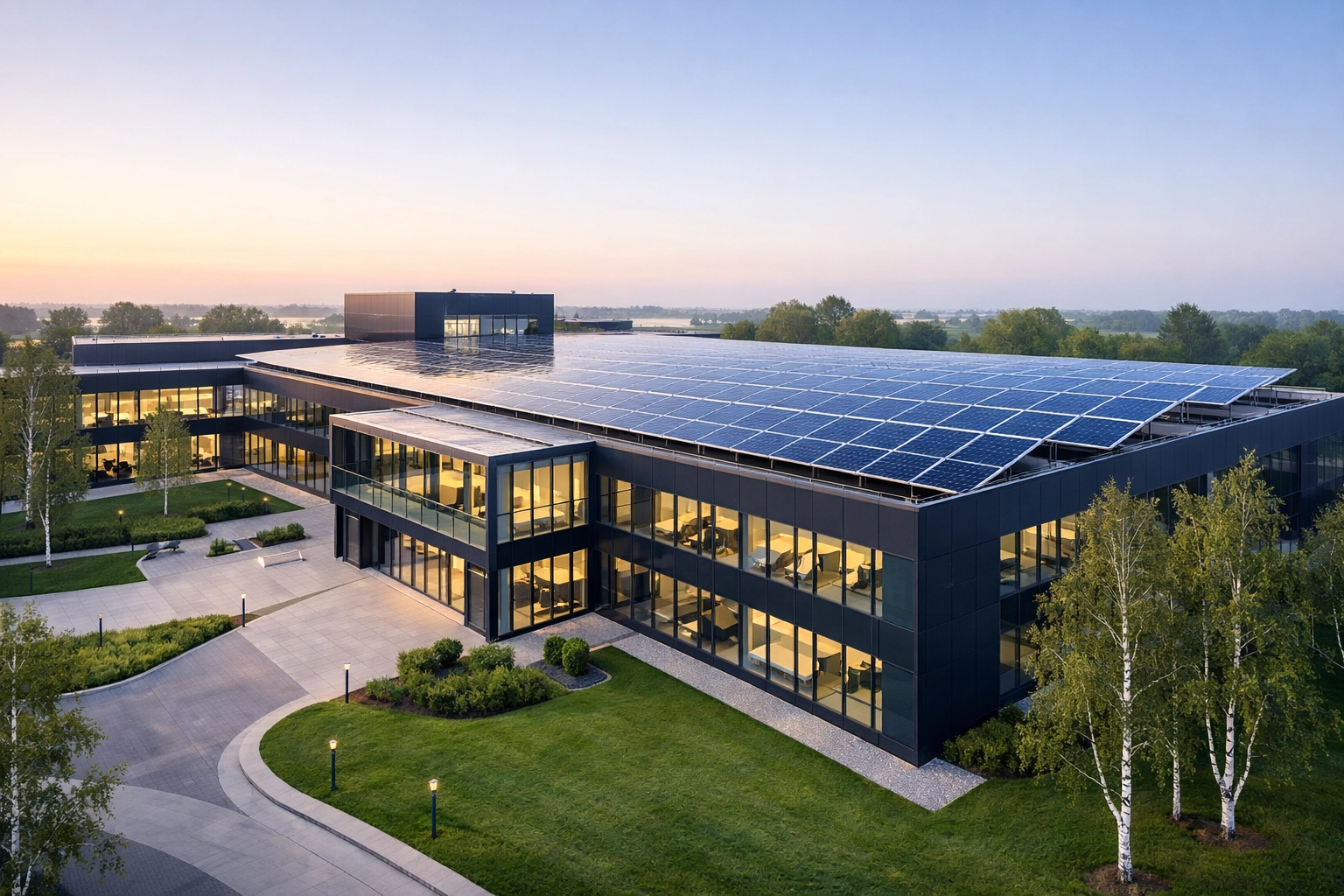
But it’s not just about the monthly bill reduction. It’s about the "front-loading" of benefits. Unlike buying a new piece of machinery that depreciates slowly, solar provides massive financial relief almost immediately through tax breaks and immediate energy offset.
Why Your ROI Might Be Faster Than You Think
Why are we seeing these accelerated timelines? It isn't just because the panels are getting better (though they are). It’s because of a "perfect storm" of financial accelerators.
1. High Electricity Rates are Your Friend (In Disguise)
It sounds counterintuitive, doesn't it? But the higher your current utility rate, the more valuable every kilowatt-hour your panels produce becomes. If energy prices rise by 5% next year, your solar investment effectively becomes 5% more valuable because you are "locking in" your energy costs at today’s prices.
2. Energy Consumption Matching
Businesses have a secret weapon that homeowners don’t: daytime operation. Most businesses consume the bulk of their energy between 9:00 AM and 5:00 PM. This perfectly aligns with peak solar production.
When you use the power as it is being generated, you avoid the "middleman" costs of the grid. Some facilities have reported reducing their utility bills by as much as 65% simply by aligning their high-energy tasks with the sun’s peak hours.
3. Smart Exporting and Net Metering
What happens when your office is closed on a sunny Sunday? Your system doesn't stop working. Through schemes like the Smart Export Guarantee (SEG) in the UK, you can sell that excess power back to the grid. It’s a dual benefit: you save money when you’re working, and you earn money when you’re not.
The Honest Truth: Advantages and Disadvantages of Solar Power
We promised to be transparent, and that means talking about the hurdles. You deserve to know the advantages and disadvantages of solar power before you sign a contract.
The Advantages
- Drastic Cost Reduction: The most obvious benefit is the immediate drop in overhead.
- Energy Independence: You are no longer at the mercy of volatile global energy markets.
- Brand Reputation: Showing your customers that you are a "green" business is no longer just a "nice-to-have", it’s a competitive necessity.
- Increased Property Value: Commercial buildings with solar installations often command higher valuations and attract better tenants.
The Honest Disadvantages
- High Upfront Capital: Even with incentives, the initial check is significant. This can be a barrier for cash-flow-heavy businesses.
- Roof Suitability: Not every roof is ready for solar. If your roof needs repairs in three years, you should fix it before installing panels.
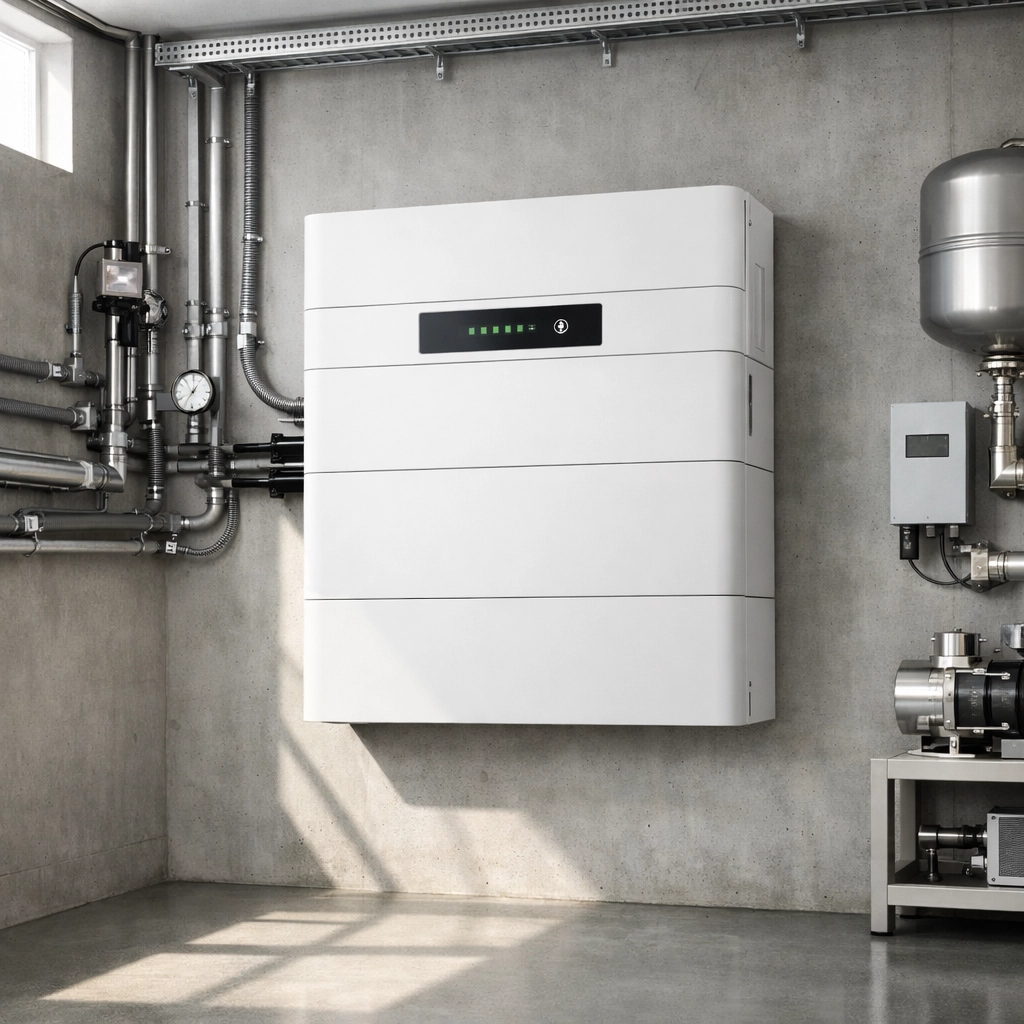
- Intermittency: The sun doesn't shine at night. For 24/7 operations, you will need battery storage solutions like the Tesla Powerwall 3 to stay powered after dark.
- Aesthetics: Let's be real, not everyone loves the look of panels. However, modern "all-black" panels are much sleeker than the blue-tinted versions of a decade ago.
Maximising Performance: Maintenance and Technology
A solar system is a 25-year investment. To ensure you hit that 15% ROI, you need to treat it like the high-tech asset it is.
Maintenance Tips for Businesses
The good news is that solar panels have no moving parts, so they are incredibly low-maintenance. But "low" doesn't mean "no."
- Annual Cleaning: Dust, bird droppings, and industrial soot can reduce efficiency by 5-10%. A simple professional cleaning once a year is usually enough.
- Inverter Monitoring: The inverter is the brain of your system. Using high-quality Sunsynk installers ensures you have a robust system with smart monitoring apps. If a string of panels goes down, you want to know immediately, not when your bill arrives.
- Professional Inspections: We recommend a professional electrical check every 3 to 5 years to ensure all connections remain tight and weather-proof.
Is Business Solar Power Right for Your Location?
Your geography matters, but perhaps not in the way you think. You don't need to be in the Sahara Desert for solar to work. In fact, solar panels actually perform more efficiently in cooler temperatures (like the UK) than in extreme heat.
We have helped businesses across the region transition to clean energy. Whether you are looking for solar panel installation in Bournemouth, Fareham, or Lymington, the ROI logic remains the same: the sooner you install, the sooner you save.
From the historic streets of Bradford-on-Avon to the industrial hubs of Eastleigh, local businesses are finding that "going green" is the smartest financial move they’ve made in years.
How to Calculate Your Potential ROI
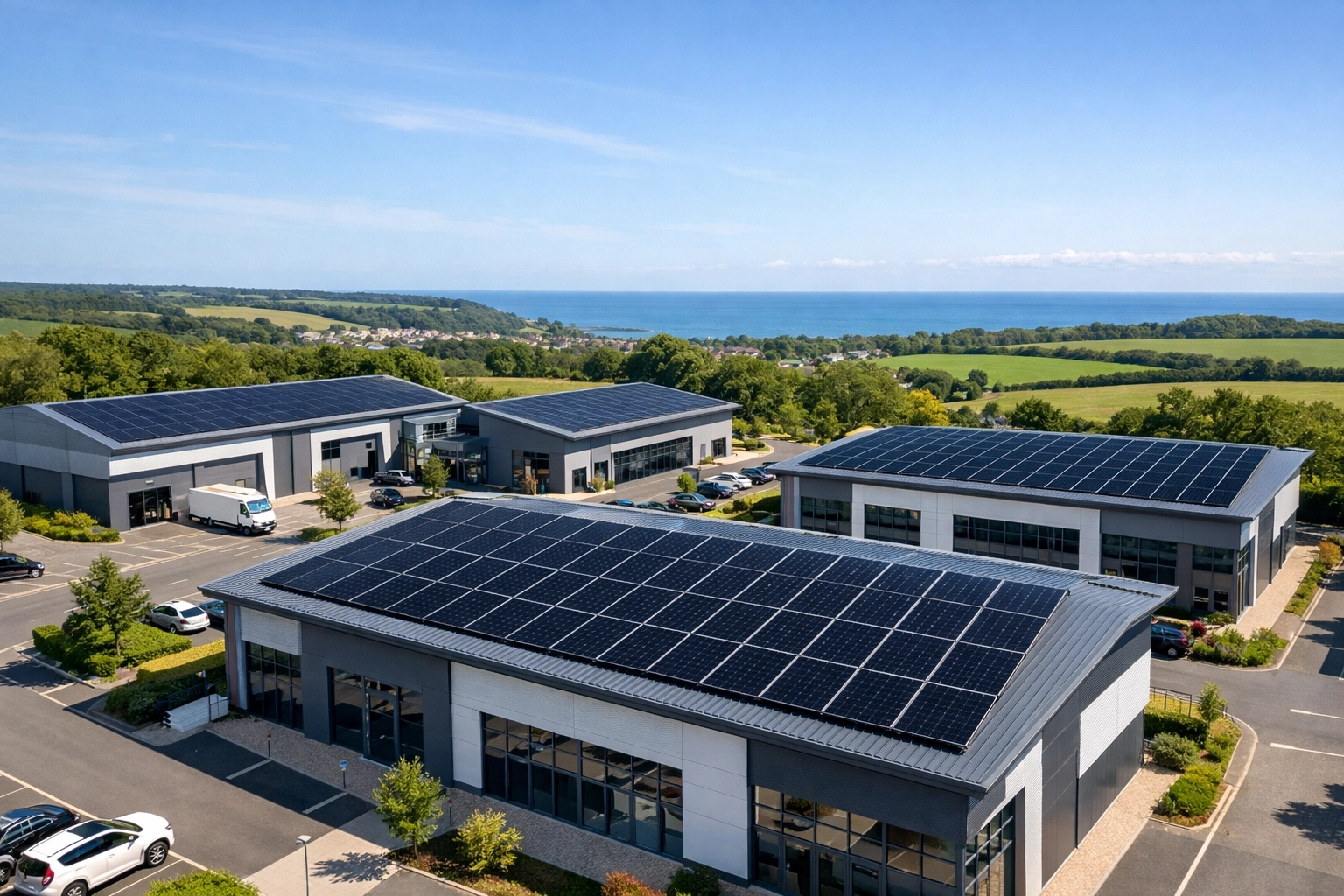
If you are wondering if your specific building is a good candidate, here is a quick checklist of what we look at during a consultation:
| Factor | Ideal Scenario | Why it matters |
|---|---|---|
| Roof Orientation | South-facing (though East/West works too) | Maximises total sun exposure throughout the day. |
| Operating Hours | 7:00 AM – 6:00 PM | Direct usage of solar power yields the highest ROI. |
| Roof Condition | Less than 5 years old | Avoids the cost of removing panels for roof repairs later. |
| Current Rate | High (£0.30+/kWh) | The more you pay the grid, the more you save with solar. |
Taking the Next Step
Making the jump to business solar power is a big decision. It involves technical jargon, financial forecasting, and structural considerations. And again, that's okay: you don't have to figure it out alone.
At DES Renewable Energy Ltd, we pride ourselves on being transparent and educational. We won't sell you a system that doesn't make financial sense for your specific business model. We believe in providing the data you need to make an informed choice for your company's future.
Are you ready to see what your specific ROI could look like?
The best way to start is with a conversation. We can look at your current energy bills, assess your roof via satellite imagery, and give you a rough estimate of your payback period.
Contact us to discuss your needs and let's find out how much your business could be saving.
A Note on Our Policies
For your peace of mind, you can view our complaints policy and privacy policy online at any time. We are committed to transparency in every part of our process.