


If you’ve been looking at your company’s monthly utility bills and feeling a slight sense of dread, you aren’t alone. Running a business in today’s economic climate is a balancing act. Between rising operational costs and the constant volatility of the energy market, it often feels like you’re trying to fill a bucket that has a giant hole in the bottom.
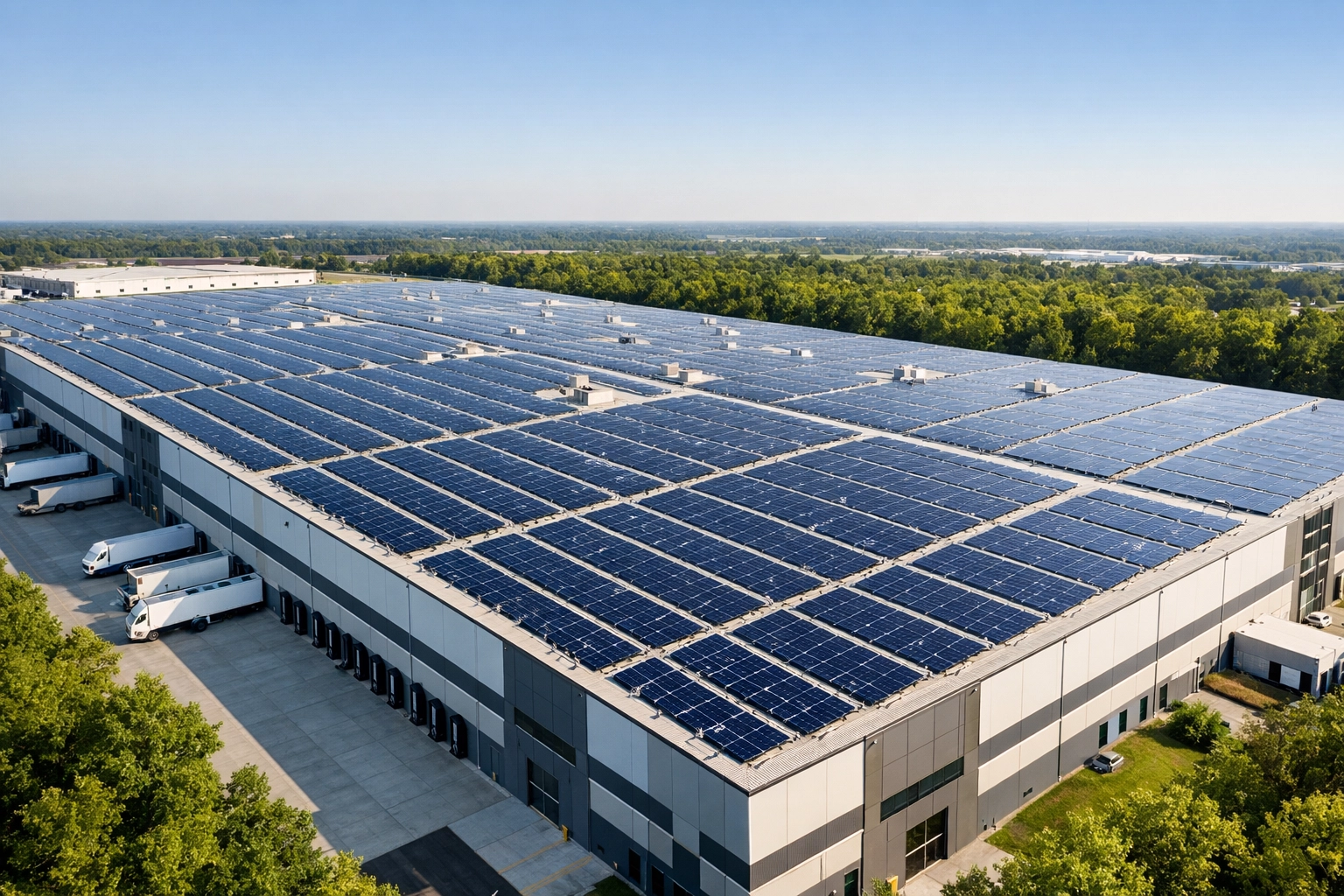
But here’s the reality: if your commercial roof is currently empty, your company is effectively losing money every single day.
In this guide, we’re going to look at the cold, hard numbers behind business solar power, dive into the honest disadvantages (because transparency matters), and show you how to turn that empty roof space into a high-yielding financial asset.
The Invisible Leak: Why Waiting is Costing You
You might think that waiting for "the right time" to invest in solar is the safe move. But with energy prices fluctuating more than ever, the cost of doing nothing is actually higher than the cost of the investment itself.
According to recent data, mid-sized businesses are seeing average energy bills hit record highs, with many facing an average annual bill of £1,973 or significantly more depending on the sector. Recent Cornwall Insight forecasts and Ofgem price cap updates highlight how global volatility: driven by everything from infrastructure aging to Middle East conflicts: directly impacts your bottom line.
When you rely 100% on the grid, you are at the mercy of these market swings. By installing a commercial solar PV system, you aren't just "going green"; you're locking in a fixed energy price for the next 25 years.
The Advantages and Disadvantages of Solar Power
We promised to be honest, and that means looking at both sides of the coin. Every business owner knows that no investment is perfect. Understanding the advantages and disadvantages of solar power is the first step toward making an informed decision.
The Advantages
- Massive Cost Reduction: On average, commercial property owners can reduce their energy utility costs by up to 75%. For a small-to-mid-sized business, this can equate to over £100,000 in savings over 20 years.
- Protection Against Inflation: While the price of grid electricity rises, the "fuel" for your solar panels (the sun) remains free.
- Increased Property Value: Buildings with high energy efficiency ratings and existing solar infrastructure are more attractive to future buyers or tenants.
- Tax Benefits: Schemes like the Federal Investment Tax Credit (ITC) or the UK’s Capital Allowances can lower the effective cost of your installation by up to 70%.
The Disadvantages (The Honest Truth)
- High Upfront Cost: There’s no getting around it: the initial capital expenditure is significant. And that’s okay; most high-yield investments are. However, many businesses find that the ROI makes this a secondary concern.
- Weather Dependency: Your panels won't produce the same amount of power on a rainy Tuesday in November as they do in July. You will still need a connection to the grid or a Tesla Powerwall to manage energy storage.
- Roof Suitability: Not every roof is built for solar. If your roof is old or oriented poorly, you might need repairs or a different mounting solution before you can start.
Calculating Commercial Solar ROI: The Numbers That Matter
When we talk about business solar power, we aren’t just talking about panels; we’re talking about an ROI that often beats the stock market. Most commercial solar installations achieve an annual ROI of 10% to 20%.
Let's look at how that breaks down for a typical mid-sized commercial facility:
| Factor | Estimated Impact |
|---|---|
| Initial System Cost | £50,000 – £150,000 (varies by size) |
| Tax Incentives/Credits | Up to 30-70% reduction in net cost |
| Annual Energy Savings | £10,000 – £25,000+ |
| Payback Period | 4 to 7 years |
| System Lifespan | 25+ years |
If your system pays for itself in five years, that means you have 20 years of virtually free energy. Imagine what your business could do with an extra £20,000 in the bank every single year. You could hire more staff, upgrade your equipment, or simply pad your profit margins.
Why Your Business is Specifically Losing Money Today
Every day you wait, you are paying a "premium" to your energy provider that you will never see again. Think of it like renting versus owning. Right now, you are renting your energy. You pay the bill, the energy is gone, and you have no equity.
When you install a solar PV system: perhaps using high-quality SolaX or SolarEdge equipment: you are buying your energy plant. You are moving from a liability to an asset.
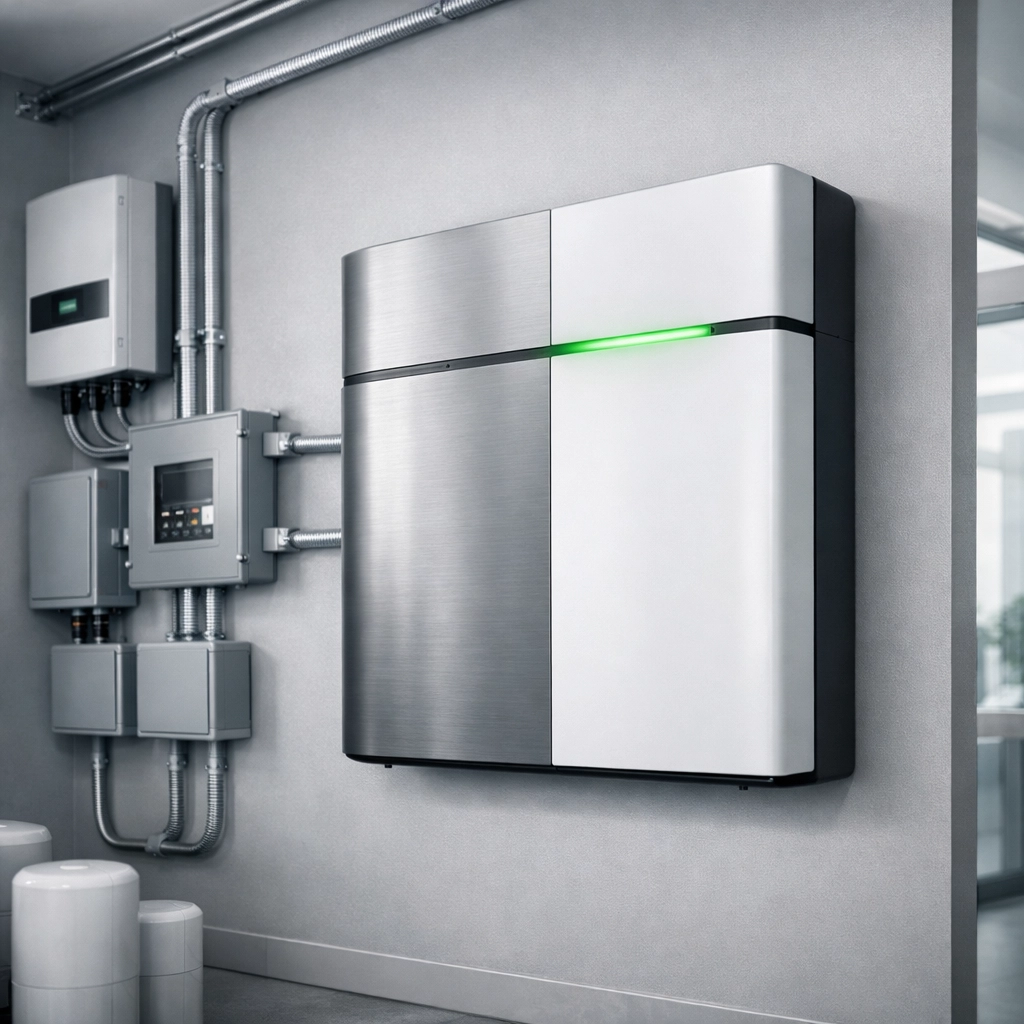
Furthermore, if you aren't storing your excess energy, you're missing out again. Many businesses produce peak energy on weekends when the office is empty. Without a battery system like those from GivEnergy or GoodWe, that energy is sent back to the grid for a fraction of what it's worth.
Maintenance: It’s Easier Than You Think
A common concern we hear is, "I don't have time to manage a power plant." We understand if you’re scratching your head about the technicalities, and that’s okay. The truth is, solar is one of the lowest-maintenance investments you can make.
Because there are no moving parts, the panels simply sit there and do their job. However, to ensure you are getting that 75% savings we mentioned, you do need to keep them clean. Dust, bird droppings, and debris can reduce efficiency by 5-10% over time.
We recommend:
- Annual Professional Cleaning: To keep the glass clear and the photons flowing.
- Monitoring Software: Most modern systems come with an app that lets you see exactly how much money you're saving in real-time.
- Periodic Inspections: Checking the wiring and inverter health every few years.
If something does go wrong, you can always check out our technical support or solar PV insurance and repair pages for help.
Navigating the Complexity (And Why That's Okay)
The world of renewable energy can feel like a maze of technical jargon and conflicting advice. Between "Feed-in Tariffs" and "Smart Export Guarantees," it’s easy to feel overwhelmed.
But you don’t need to be an expert to benefit from solar. As expert installers, we’ll guide you through every step, from the initial site survey to the final grid connection. We’ve worked with a wide range of companies: you can see some of our previous work on our commercial case studies page.
We believe in a "measure twice, cut once" approach. Every business has different energy habits. A bakery that starts at 3 AM has different needs than a tech firm that runs 9-to-5. We tailor the system to your specific load profile to ensure the fastest possible payback period.

Your Next Steps to Energy Independence
Stopping the "money leak" in your business doesn't happen overnight, but it starts with a simple conversation. The energy market isn't getting any less volatile, and the incentives available today might not be here tomorrow.
If you're curious about how much your specific roof could be earning you, the best way to find out is a professional assessment. We can help you crunch the numbers, look at your historical bills, and design a system that fits your budget and your goals.
Whether you're interested in high-capacity storage or just want to lower your monthly overheads, we’re here to help you navigate the transition.
Ready to see the data for your own building?
Contact us to discuss your needs or get a tailored solar quote to see exactly how much your company could be saving. Don't let another month of expensive utility bills drain your profits( let's put your roof to work.)