


When you run a business, every penny counts. You’re likely looking at your overheads and wondering how to stop the "leak" that is your monthly energy bill. You’ve heard about business solar power, and it sounds great in theory: but you’re a pragmatist. You need to see the numbers. You need to know if the Return on Investment (ROI) actually stacks up for your specific warehouse, office, or factory.
Calculating commercial solar ROI can feel like trying to solve a Rubik’s cube in the dark. There are tax incentives, degradation rates, and maintenance costs to juggle. And that’s okay. We understand if you’re scratching your head at the complexity.
In this guide, we’re going to pull back the curtain. We’ll look at the math, the honest disadvantages of solar power, and exactly how you can determine if a PV system is a sound financial move for your company.
Why ROI is Different for Commercial Solar
For a homeowner, solar is often about energy independence or "doing the right thing" for the planet. But for you? It’s a capital expenditure (CapEx) decision. You need to compare it against other potential investments.
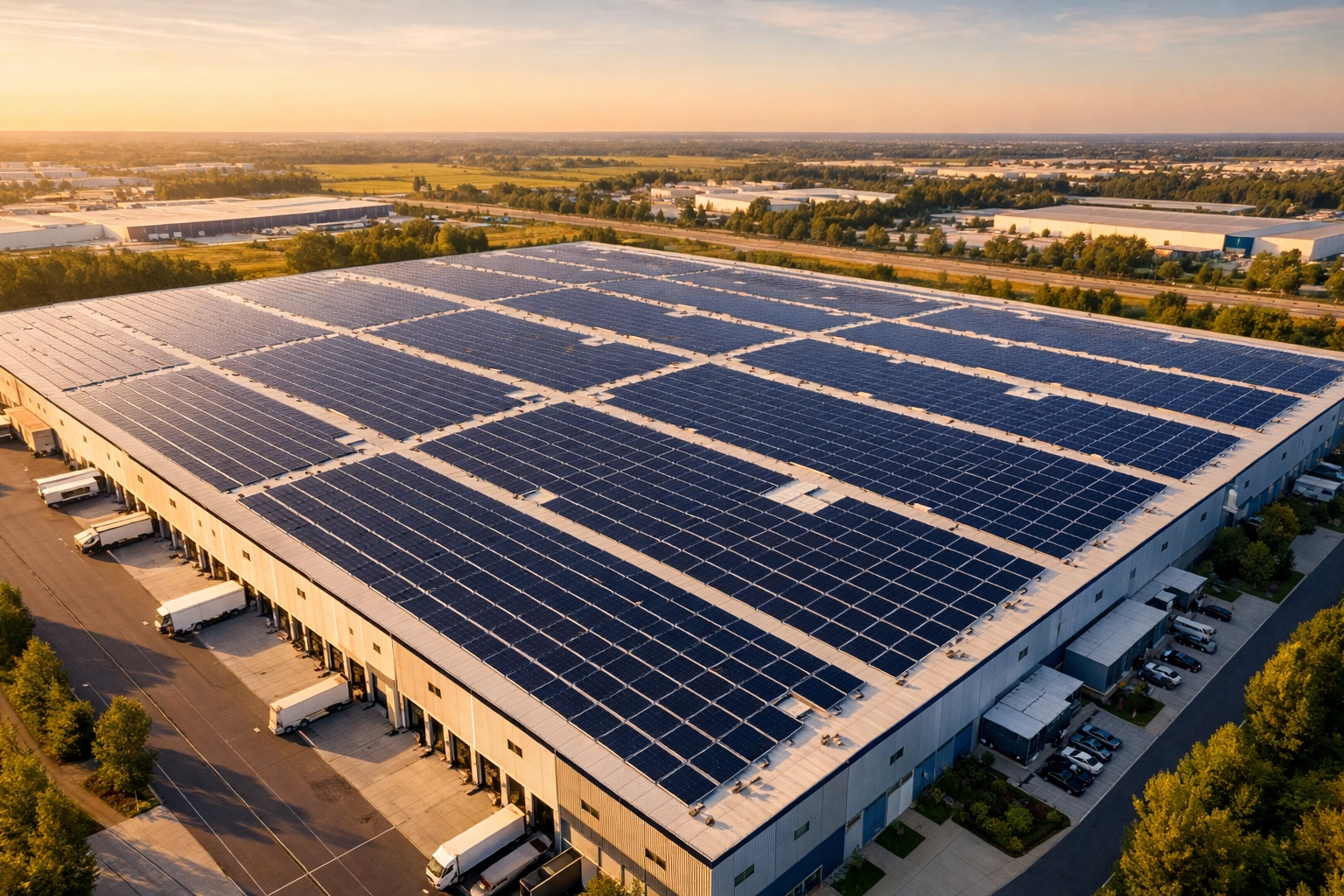
Commercial systems are typically much larger than residential ones, which brings economies of scale into play. However, they also involve more complex grid connections and structural considerations. The "Real ROI" isn't just your monthly savings; it’s the total value the system generates over 25 to 30 years compared to what you paid to get it up and running.
The Core Formula: How to Calculate Your Real ROI
Let’s start with the basics. If you want a quick "back of the envelope" calculation, the formula is relatively straightforward:
ROI = (Total Lifetime Energy Savings / Initial Investment Cost) × 100%
But to get an accurate figure, we need to dig into what those two numbers actually represent.
1. The Initial Investment Cost
This isn't just the price of the panels. To be transparent, you need to factor in:
- The physical hardware (panels, inverters, racking).
- Labour and installation fees.
- Structural surveys of your roof.
- DNO (Distribution Network Operator) application fees to connect to the grid.
- Any necessary switchgear upgrades.
2. The Total Energy Savings
This is where the math gets fun. You aren't just saving today’s electricity price; you are hedging against future price hikes. If energy prices rise by 5% year-on-year, your solar energy becomes 5% more valuable every single year.
Between you and our team, we usually look at a 25-year window. We subtract the system degradation (panels lose about 0.5% efficiency per year) and add the projected utility rate increases.
| Metric | Industry Average (approx.) |
|---|---|
| Average Commercial ROI | 15% – 18% |
| Typical Payback Period | 6 – 9 Years |
| Internal Rate of Return (IRR) | 10% – 15% |
Payback Period vs. ROI: Which One Matters?
It’s easy to get these two confused, and that’s perfectly fine.
- Payback Period is the time it takes for the system to pay for itself. If your system costs £100,000 and saves you £12,500 a year, your payback is 8 years.
- ROI is the total profit you make over the life of the system.
For most businesses, the payback period is the primary concern for cash flow, while ROI is what the board of directors wants to see to justify the long-term investment. If you want to see how this looks in practice, you can browse our commercial case studies to see real-world numbers from businesses just like yours.

The Honest Disadvantages of Solar Power
We promised to be transparent, and that means talking about the "cons." At DES Renewable Energy Ltd, we believe you should make an informed choice, not a pressured one.
The Upfront Cost
Even with falling prices, business solar power requires a significant initial outlay. While there are financing options and power purchase agreements (PPAs), the "best" ROI comes from buying the system outright. This can tie up capital that you might need for other areas of your business.
Roof Suitability and Space
Not every roof is a candidate for solar. If your roof is old and needs replacing in five years, it’s a bad idea to put solar on it now. Why? Because you’d have to pay to take the panels off and put them back on again. Furthermore, if your business is in a heavily shaded area or has a roof facing due North, your ROI will take a hit.
The "Intermittency" Factor
Solar only works when the sun is out. If your business runs 24/7 or has a massive "night shift" energy peak, solar alone won't solve your problem unless you invest in battery storage, such as the Tesla Powerwall. Adding batteries increases your self-consumption, but it also increases your initial investment, which can push your payback period out further.
The Variables That Can Make or Break Your ROI
When we sit down with you to calculate a quote, we look at several "X-factors" that dictate your numbers.
Solar Irradiance and Location
It’s a simple fact: some places are sunnier than others. While a system in a high-irradiance area might see a 21% ROI, a system in a gloomier part of the country might hover around 11%. But here’s the secret: even in the UK, the "daylight" (not just direct sunlight) is more than enough to generate a healthy return.
Energy Consumption Patterns
Solar is most profitable when you use the energy as it is being generated. This is called "self-consumption." If you run heavy machinery between 9 AM and 5 PM, you are the perfect candidate. If you export all your energy back to the grid, you get paid for it, but the rate you get for exporting is usually much lower than the rate you save by not buying from the grid.
Maintenance and Cleaning
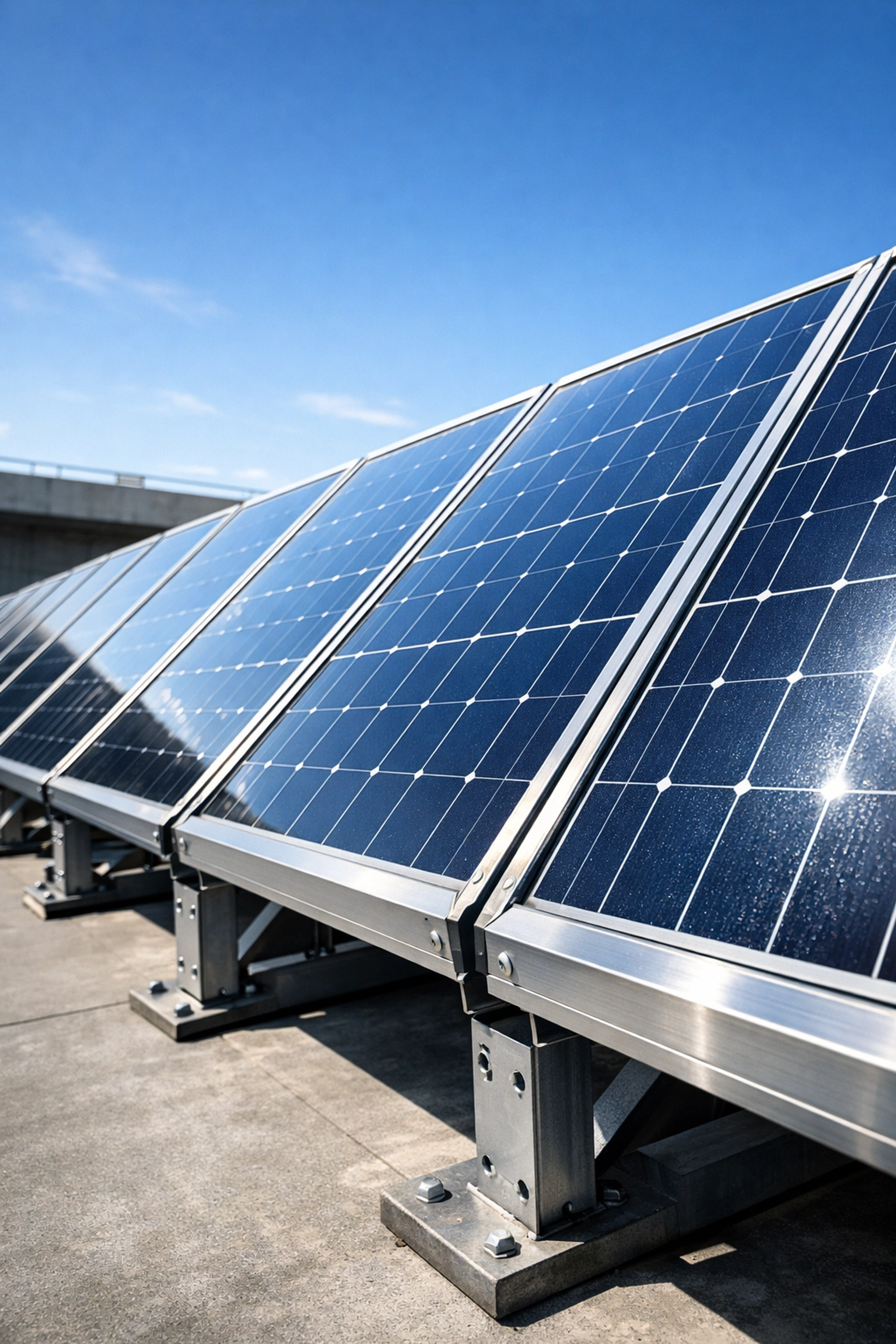
You can't just "fit and forget" a commercial system. To keep your ROI high, the panels need to be clean. Dirt, bird droppings, and industrial dust can drop your efficiency by 10% or more. We recommend regular solar PV maintenance and cleaning to ensure your "real" ROI matches your "projected" ROI.
Incentives: The ROI "Booster"
In the current landscape, there are several ways to shave years off your payback period.
- Tax Benefits: Depending on your current tax laws, you may be able to claim "Annual Investment Allowance" (AIA), allowing you to deduct the full cost of the solar installation from your taxable profits in the first year.
- Smart Export Guarantee (SEG): You can get paid for the excess energy you send back to the grid.
- Partnerships: Working with an Octopus trusted solar installation partner can sometimes give you access to better export tariffs, further increasing your annual revenue.
A Step-by-Step Guide to Your Calculation
If you’re ready to start the process, here is how we recommend you approach it:
- Review your bills: Look at your last 12 months of utility data. Note your peak usage times.
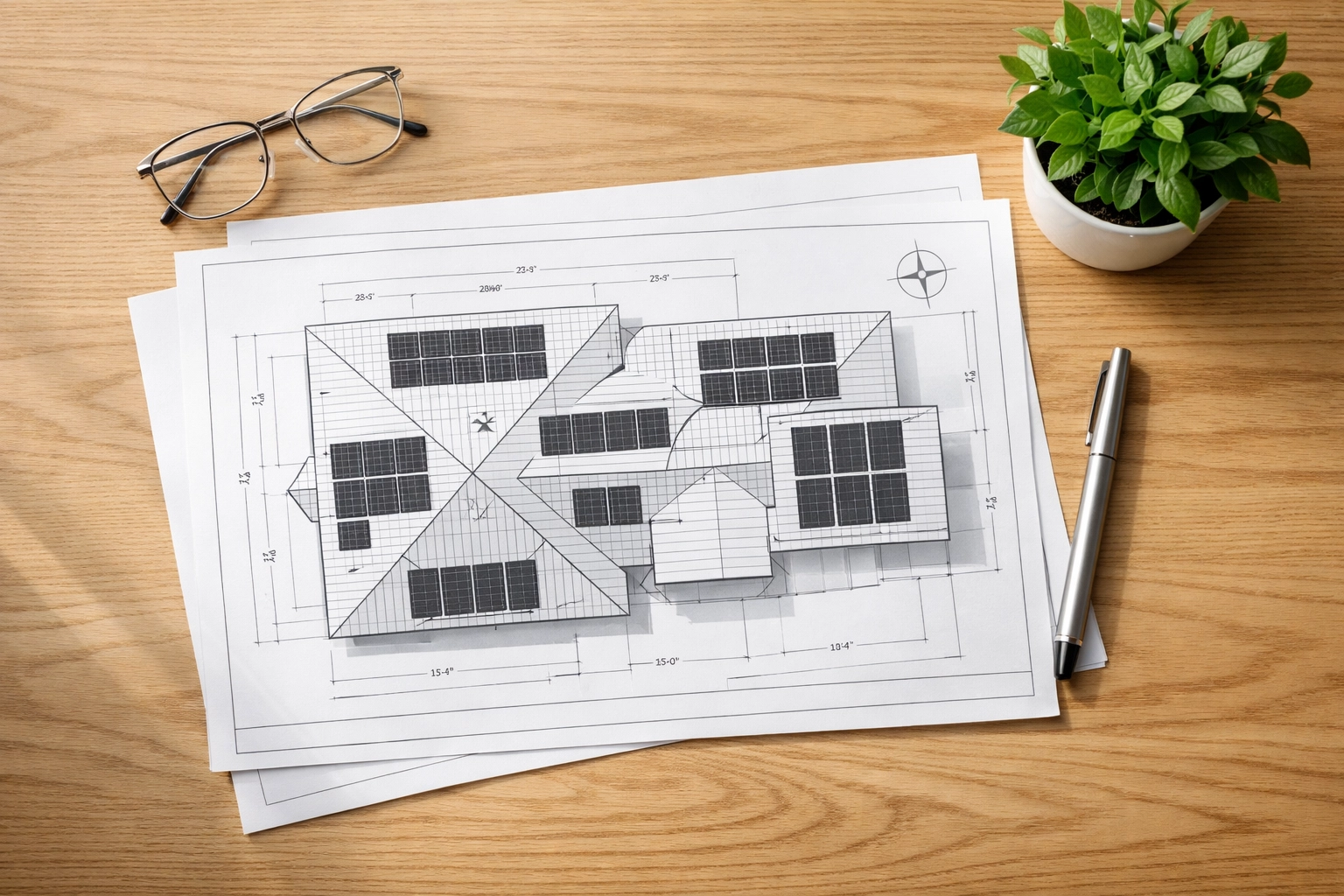
- Assess your roof: Use satellite imagery or a professional survey to see how much usable "unshaded" space you have.
- Get a technical estimate: Work with an expert to determine your "System Size." For most medium businesses, this might be a 50kW or 100kW system.
- Factor in the "Soft Costs": Don't forget insurance and occasional technical support.
- Calculate the Net Present Value (NPV): This is a fancy way of saying "what is all that future saved money worth in today's pounds?"
Is Business Solar Right for You?
The truth is, solar isn't a "one-size-fits-all" solution. For a cold-storage warehouse with a massive roof and high daytime energy usage, it is an absolute "no-brainer." For a small office with a shaded roof, the numbers might not be as compelling.
But for most UK businesses, the advantages and disadvantages of solar power lean heavily toward the "plus" side. With energy prices remaining volatile, the ability to lock in your energy costs for the next two decades is a competitive advantage that shouldn't be ignored.
Whether you are looking for Solax installers, SolarEdge specialists, or GivEnergy experts, the most important step is getting accurate data.
Next Steps
We know this is a big decision. Moving your business toward renewable energy is a journey, and you don't have to walk it alone.
If you’re ready to stop guessing and start calculating, we’re here to help. You can contact us to discuss your needs or, if you're ready for a more detailed look at the numbers, you can request a solar quote directly. Let’s work together to see how much your roof could be earning for you.