


It is Thursday, the 12th of March 2026, and if you’ve spent any time looking at your energy bills lately, you’ve probably noticed they aren’t getting any smaller. Whether you are a homeowner or a business owner, the conversation around renewable energy has shifted. It’s no longer a "futuristic" concept, it is a standard part of the modern UK and global infrastructure.
But with all the noise about green energy, you might be wondering: is solar still a smart move this year? Or has the ship already sailed? We’ve seen technology improve and prices shift, so it is time for a transparent look at the advantages and disadvantages of solar power.
At DES Renewable Energy Ltd, we believe in giving you the full picture. You shouldn’t have to dig through jargon to find out if this investment works for your specific situation. So, let’s break down the reality of solar in 2026, the good, the bad, and the slightly complicated.
The Big Question: Does Solar Still Save Money?
The short answer is yes: but the way it saves you money has changed. Back in the early 2010s, it was all about government subsidies. Today, the value lies in "avoided cost." Every kilowatt-hour (kWh) you generate on your roof is a kWh you don’t have to buy from the grid at an inflated price.
In 2026, the average US and UK electricity rates have continued to climb, partly due to the massive energy demands of AI data centres and the continued transition to electric vehicles (EVs). While utility rates are averaging around 19 cents (or equivalent) per kWh, solar-generated power effectively costs you about 8 cents per kWh over the life of the system.
The Financial Breakdown
To give you a clearer idea of the numbers, let’s look at what a typical residential setup looks like right now:
| Feature | Average 2026 Data |
|---|---|
| Average Upfront Cost (Pre-Incentives) | ~$21,600 |
| Annual Electricity Bill Savings | ~$1,500 |
| Payback Period | 9 to 12 Years |
| System Lifespan | 25+ Years |
| Property Value Increase | ~6.9% |
And that’s okay if those upfront numbers look a bit daunting. Most people don’t buy a solar system with cash sitting under a mattress. There are more solar panel financial advice options available now than ever before, from specialized green loans to power purchase agreements.
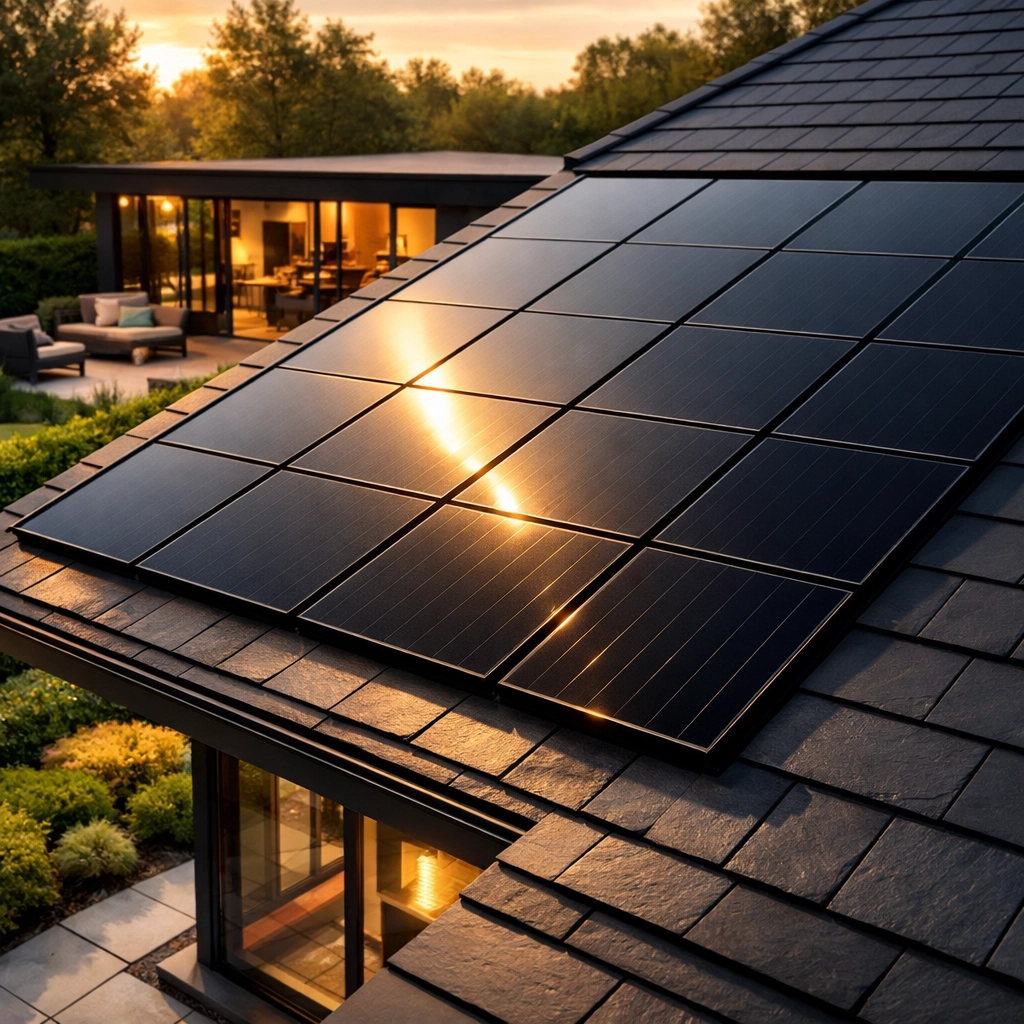
The Advantages: Why People are Still Making the Switch
The benefits of solar in 2026 go beyond just "saving the planet." It’s become a strategic financial move for your household and your property’s long-term value.
1. Significant Long-Term Savings
As we mentioned, saving roughly $1,500 a year adds up. Over a 25-year period, that is $37,500 in savings: and that’s assuming energy prices don’t rise (which we all know they will). Once you hit that 9–12 year break-even point, you are essentially enjoying free electricity for the next decade and a half.
2. Efficiency is at an All-Time High
If you looked at solar panels ten years ago, they were likely around 15% efficient. Today, modern panels are reaching 20-23% efficiency. This means you need fewer panels to generate the same amount of power, which is great news if you have a smaller roof or specific aesthetic preferences.
3. Energy Independence
Grid instability is a growing concern. By combining solar panels with a battery system: like the Tesla Powerwall: you can keep your lights on when the grid goes down. You become your own power station, and there is a massive amount of peace of mind in that.
4. Environmental Impact
Every year, the average home solar system reduces carbon emissions by approximately one tonne of CO2. If you are looking to lower your carbon footprint, this is one of the most impactful single changes you can make.
The Honest Disadvantages: What No One Tells You
We promised transparency, so let’s talk about the parts of solar that aren’t so sunny. It’s important to understand these before you sign a contract.
1. The Intermittency Issue
The sun doesn't shine at night, and it isn't always reliable during a gloomy UK winter. Solar is weather-dependent. To get the most out of your system, you almost certainly need a battery storage solution. Without a battery, you’re exporting your excess day-time energy back to the grid for a low rate and buying it back at a high rate in the evening. This adds to the initial cost.
2. Roof and Property Constraints
Not every roof is a candidate for solar. If your roof is heavily shaded by trees or neighboring buildings, or if it faces North, the ROI might not be there for you. Some roofing materials are also more difficult (and expensive) to work with. If you're wondering "how it works" for your specific roof, you can check out our guide on solar installation.
3. The "Moving" Problem
If you plan on moving house in the next 3 to 5 years, solar might not be the best investment. While it increases property value, you won't have time to recoup your initial investment through energy savings. Transferring a solar loan or a lease to a new buyer can also add a layer of complexity to a house sale.
4. Manufacturing Footprint
While solar produces clean energy, the manufacturing process itself involves mining and industrial production which has its own carbon footprint. However, most panels "pay back" their manufacturing carbon debt within 2-3 years of operation.
Business Solar Power: A Strategic Necessity in 2026?
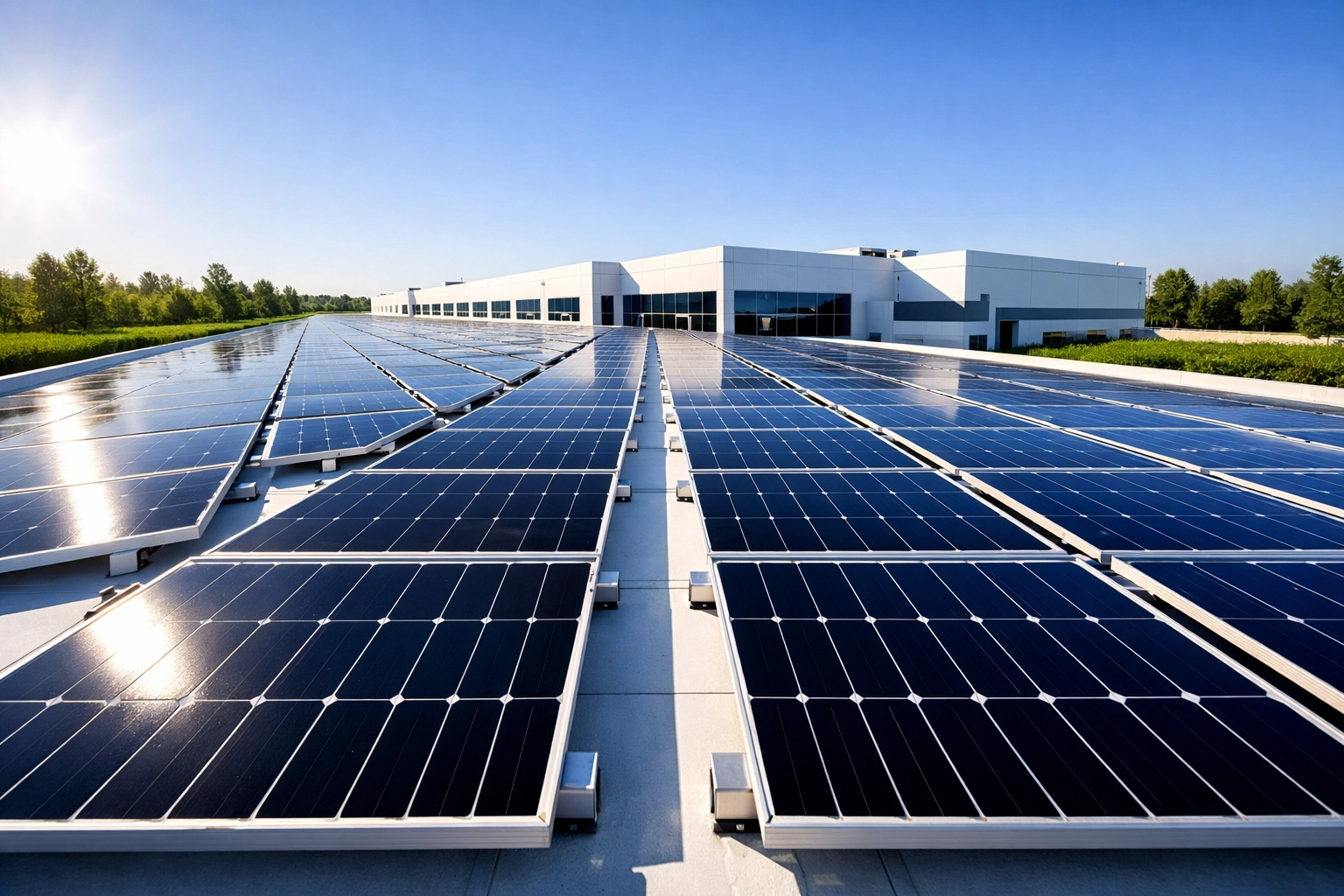
If you are a business owner, the conversation around business solar power is slightly different. For commercial entities, solar isn’t just about being "green": it’s about protecting your margins.
With the massive increase in electricity demand from AI and industrial automation, commercial energy rates are volatile. Installing a solar array on a warehouse or office roof provides a predictable, fixed cost for power for the next 25 years.
Commercial ROI and Tax Benefits
Businesses can often take advantage of accelerated depreciation and specific commercial tax credits that aren't available to homeowners. This can often bring the payback period for a commercial system down to 5–7 years. If you want to see how other companies have handled this, take a look at our commercial case studies.
Large-scale solar installations also serve as a "visible" commitment to sustainability, which is increasingly important for B2B contracts and consumer brand loyalty in 2026.
Maintenance Tips: Keeping the Power Flowing
A common concern is that solar panels are high-maintenance. "Will I be up on a ladder every weekend?"
Thankfully, the answer is no. But they aren't "zero maintenance" either. To keep your efficiency at that 20-23% sweet spot, you should consider the following:
- Annual Cleaning: Dust, bird droppings, and pollen can reduce output by 5-10% if left to build up.
- Monitoring Apps: Most modern systems come with an app. Check it once a week. If you see a sudden dip in production, it might indicate a faulty inverter or a tripped breaker.
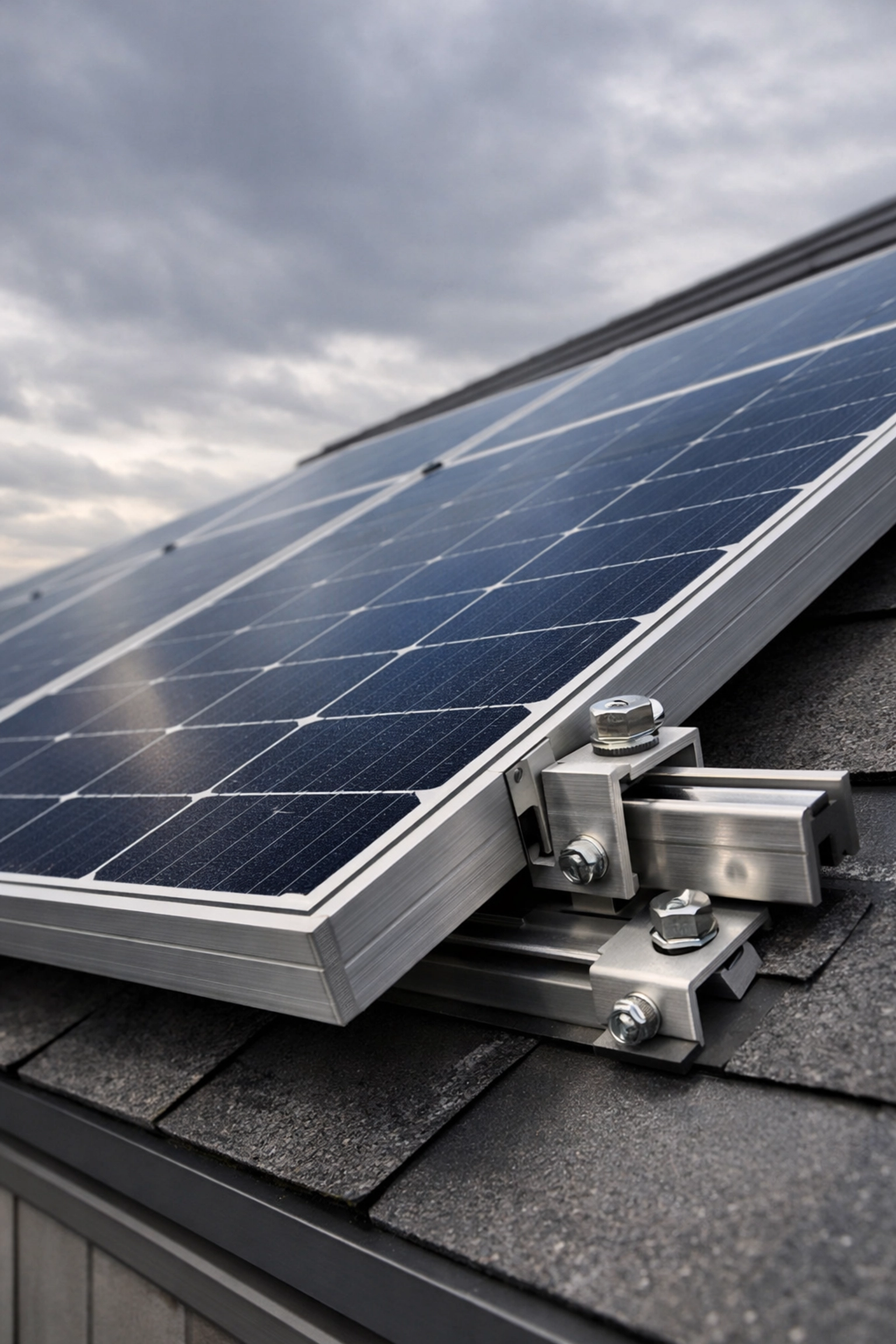
- Professional Health Checks: We recommend a professional inspection every few years to check the wiring and the integrity of the mounting system.
For more details on keeping your system in top shape, visit our solar installation and maintenance section.
Is It Right for You?
Choosing solar is a personal decision that depends on your roof, your budget, and how long you plan to stay in your current property.
If you:
- Have a south-facing or unshaded roof.
- Plan to stay in your home for at least 10 years.
- Are tired of the "vampire" effect of rising utility rates.
…then solar is likely a fantastic investment.
But if you are planning to move next year or your roof is tucked under a giant oak tree, we’ll be the first to tell you to wait. And that’s okay. Our goal is to ensure that when you do make the switch, it’s because it actually makes sense for your life and your wallet.
Next Steps
Navigating the world of renewable energy can feel like a lot to take in. Between the tech specs and the financial jargon, it’s easy to feel overwhelmed: and that's okay. We are here to help simplify the process.
Whether you are looking for a solar quote or you just need some expert help and advice to figure out if your roof is suitable, our team at DES Renewable Energy Ltd is ready to chat.
Ready to see what solar could do for your home or business? Contact us to discuss your needs and let’s figure out if 2026 is the year you take control of your energy.