


So, you’ve decided to make the leap into renewable energy. You’re looking at your roof, thinking about the environment, and: let’s be honest: mostly thinking about those ever-rising energy bills. You’ve heard that solar panels are a "no-brainer" for Return on Investment (ROI), but once you start looking at the numbers, it can feel a little overwhelming.
If you’re feeling a bit confused by the jargon or the conflicting advice online, don't worry: that’s completely okay. Solar is a significant financial commitment, and getting the math right is the difference between a system that pays for itself in six years and one that takes fifteen.
At DES Renewable Energy Ltd, we see these common pitfalls every day. Whether you are looking at residential setups or business solar power, avoiding these seven mistakes will ensure your investment actually works as hard as you do.
1. The "Bigger is Better" Sizing Trap
It’s tempting to think that covering every square inch of your roof with panels is the best way to maximise savings. But ROI isn't just about how much power you generate; it’s about how much of that power you actually use.
If you undersize your system, you remain heavily dependent on the grid during peak times. If you oversize it without a clear plan for the excess, you’re spending thousands on hardware that won't pay for itself quickly because export tariffs (what the grid pays you) are usually lower than import tariffs (what you pay the grid).
How to Fix It:
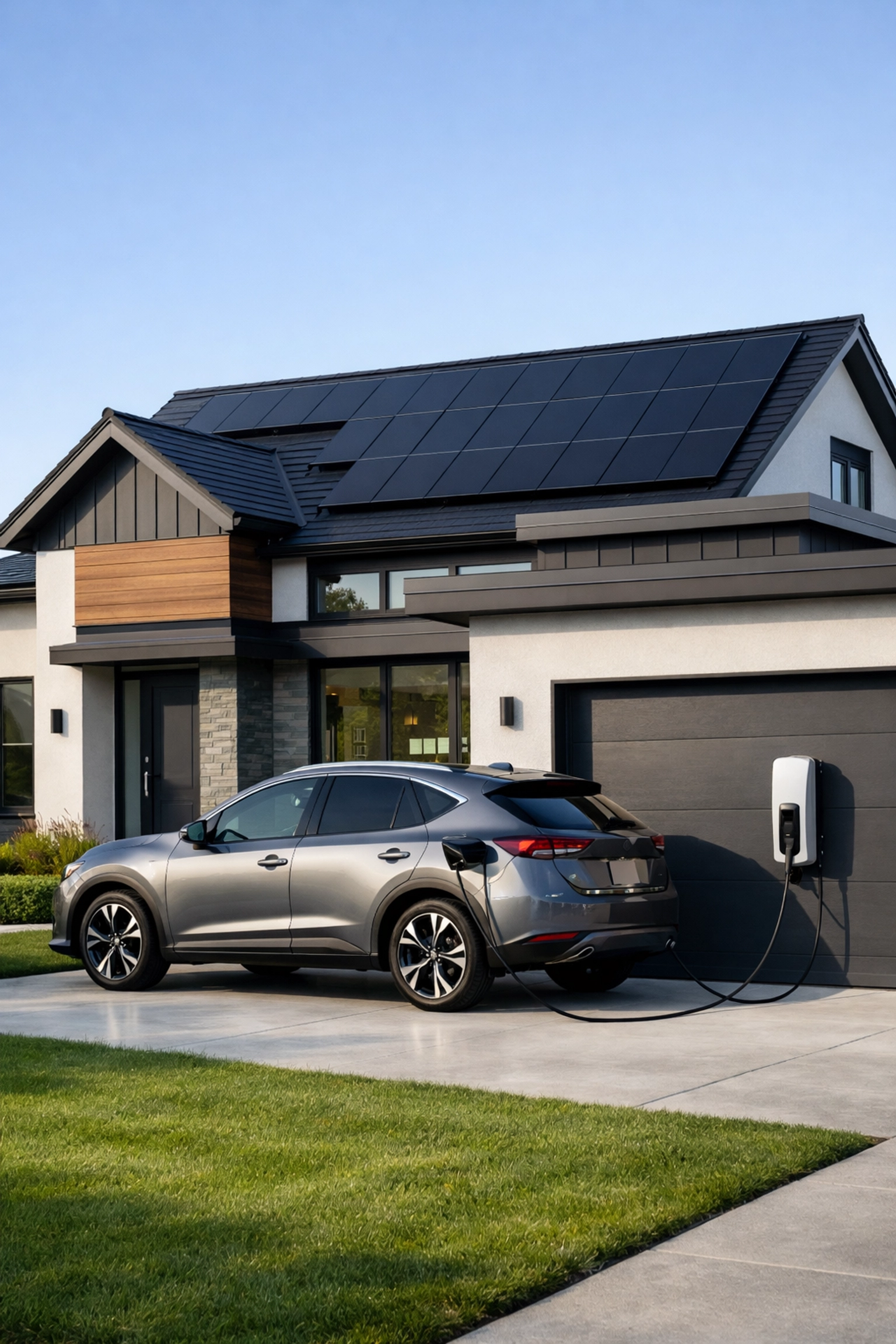
You need to account for your "base load" and your peak usage. A professional solar design technician doesn't just look at your last bill; they look at your lifestyle. Do you have an EV? Are you planning on getting an air-source heat pump?
We also have to factor in the natural efficiency drop. Most panels experience a 0.5% to 1% annual degradation in performance. Sizing your system with a little "headroom" for this long-term loss ensures your ROI stays stable for the next 25 years.
2. Prioritizing Upfront Cost Over "LCOE"
In the solar world, the cheapest quote is often the most expensive one in the long run. We call this the Levelised Cost of Energy (LCOE). If you save £2,000 today by choosing "budget" panels but they lose 20% of their efficiency in five years, your ROI disappears.
When you look at the advantages and disadvantages of solar power, one of the main "cons" is the high initial cost. It’s tempting to trim that down, but low-quality components often lead to:
- Higher failure rates in inverters (which usually need replacing every 10–15 years anyway).
- Poor temperature coefficients (meaning the panels stop working well when it actually gets hot outside).
- Safety risks from poor-quality cabling or mounting.
How to Fix It:
Focus on value, not price. Look for high-performance batteries like Lithium Iron Phosphate (LiFePO4) and inverters from reputable brands. If you're looking for reliability, we often recommend GivEnergy installers or SolarEdge installers because their warranties actually mean something.
3. Treating Battery Storage as an "Optional Extra"
If you are out of the house from 9 AM to 5 PM, your solar panels are producing peak energy while your home is silent. Without a battery, that energy goes back to the grid for a few pence per kWh. Then, you come home, turn on the oven and the TV, and buy that energy back for three or four times the price.
This is the fastest way to kill your ROI.
How to Fix It:
Pairing your system with a battery like the Tesla Powerwall allows you to store your morning "profit" for evening use. This moves your self-consumption rate from roughly 30% up to 80% or higher.
| Feature | Without Battery | With Battery Storage |
|---|---|---|
| Self-Consumption | ~20-30% | ~70-90% |
| Grid Independence | Low | High |
| ROI Speed | Slower | Faster (usually) |
| Emergency Backup | No | Yes |
Plus, being an Octopus trusted solar installation partner means we can help you get onto smart tariffs that actually pay you more for your stored energy during peak grid demand.
4. Forgetting the "Honest Disadvantages" of Solar
We promised to be transparent, and here it is: solar isn't perfect for every single roof. If your roof is heavily shaded by a chimney or a neighbour's oak tree, your ROI will suffer. If your roof faces north, your output will be significantly lower.
Ignoring these physical limitations is a recipe for disappointment. Some companies will sell you a system regardless of shading: we won't.
How to Fix It:
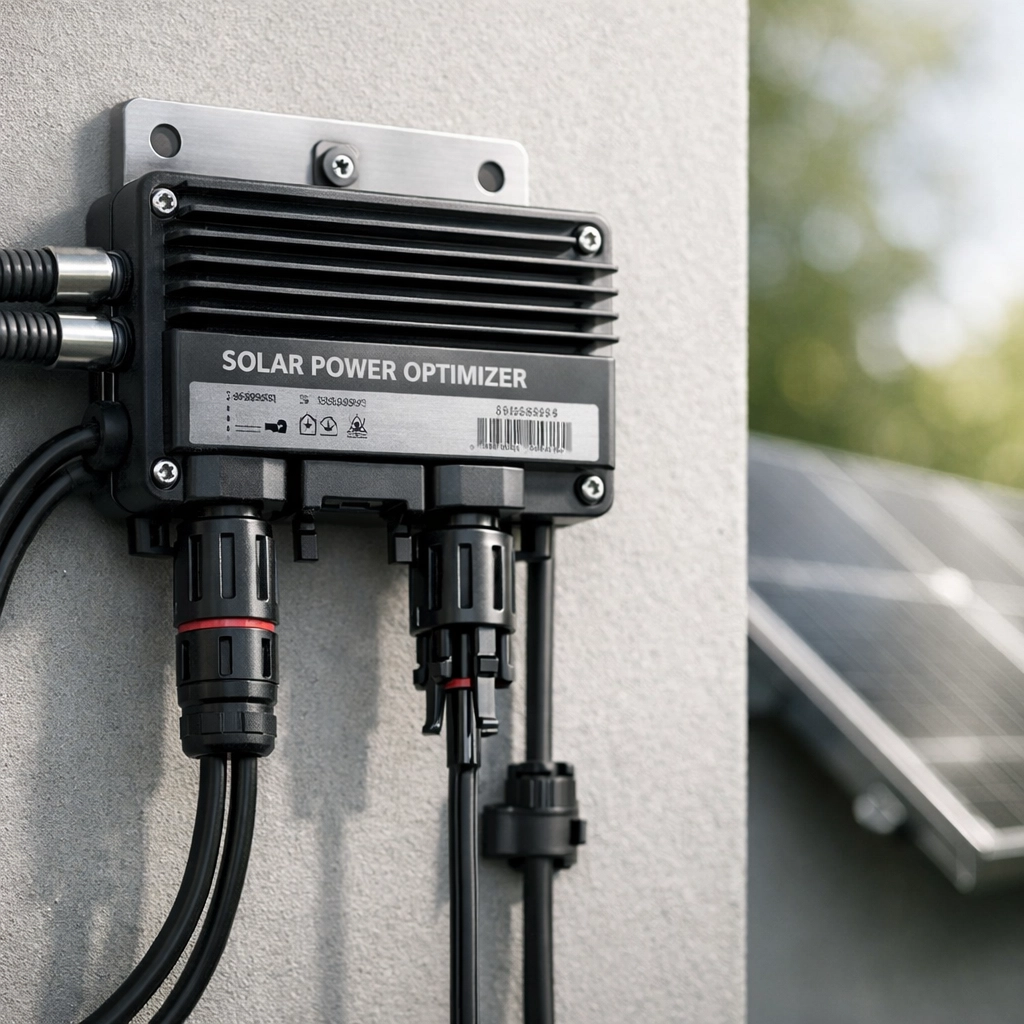
Be honest about your property. If shading is an issue, you might need power optimisers (like those from SolarEdge) which allow each panel to work independently. This way, if one panel is in the shade, the rest of the string doesn't drop in performance. You can see how we've handled tricky installs in our case studies.
5. Neglecting Maintenance and "System Hygiene"
A lot of people think solar panels are "fit and forget." While they are low maintenance, they aren't no maintenance. Dirt, bird droppings, and salt spray (if you live near the coast) can create "hotspots" or simply block light, reducing output by as much as 15-20% over a year.
How to Fix It:
Keep a log of your generation. Most modern systems come with an app: check it once a month. If you notice a dip that doesn't correlate with the weather, it's time for a check-up. We offer dedicated solar PV maintenance and cleaning to ensure you aren't leaving money on the table.
6. Using Non-Certified or "Jack-of-all-Trade" Installers
Solar installation involves high-voltage DC electricity and structural changes to your roof. If it’s done incorrectly, you might face leaks, electrical fires, or: at the very least: a system that isn't commissioned correctly for the grid.
If your installer isn't MCS certified, you won't be able to sign up for export tariffs (like the Smart Export Guarantee). That means any energy you send back to the grid is effectively given away for free.
How to Fix It:
Always work with specialists. Check for certifications and ask about their experience with specific hardware. Whether you need SolaX installers or experts in GoodWe systems, ensure they have a proven track record.
7. Overlooking the Potential of Business Solar Power
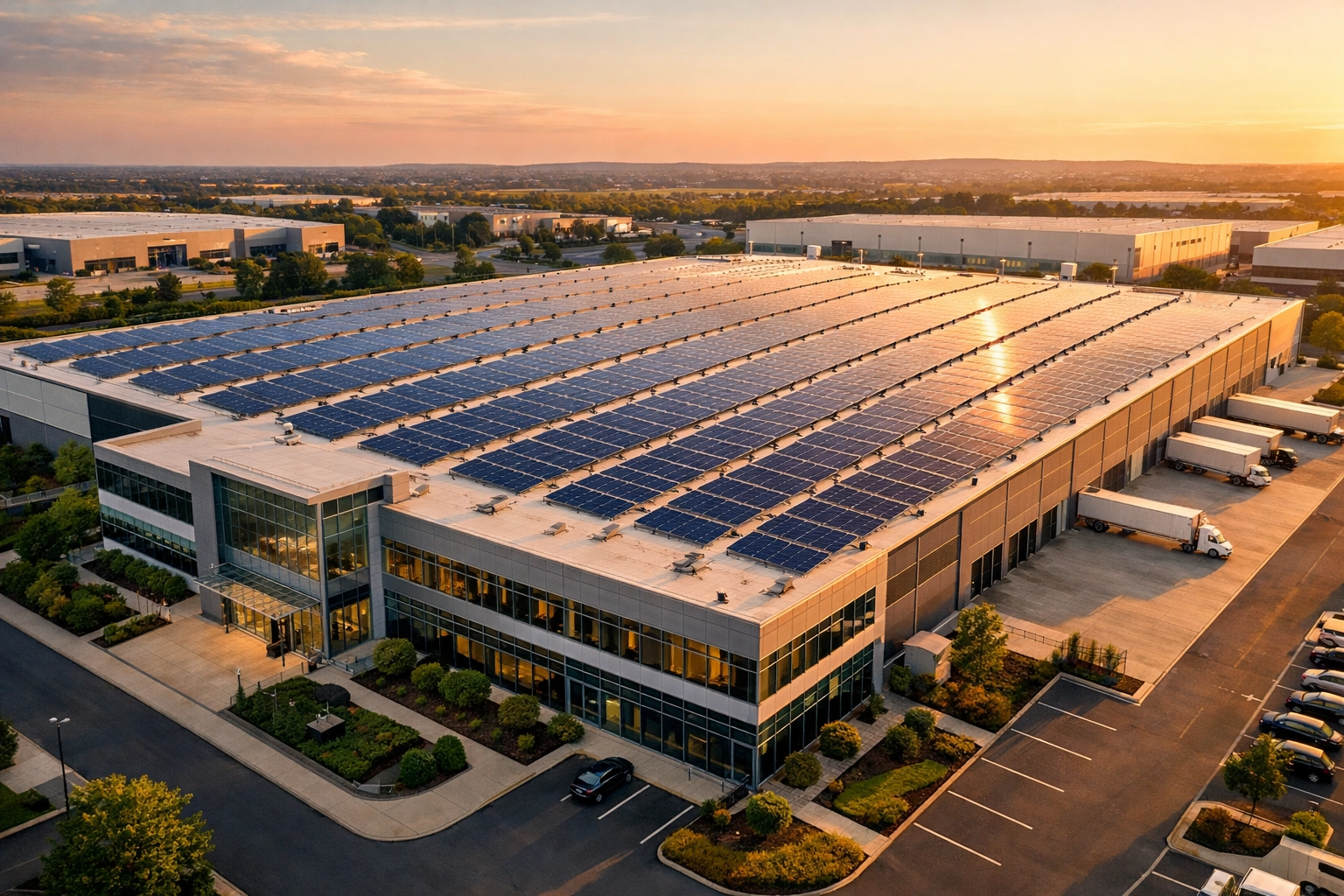
For business owners, the ROI calculation is actually much more attractive than for homeowners. Why? Because businesses usually consume energy during the day: exactly when the sun is shining.
Many businesses fail to account for:
- Capital Allowances: You can often write off the cost of the installation against your taxable profits.
- Energy Resilience: Protecting your operations from price spikes in the energy market.
- ESG Ratings: Improving your brand value with sustainable practices.
How to Fix It:
If you’re running a commercial operation, look at commercial case studies to see how similar businesses have slashed their overheads. The ROI for commercial solar is often under 5 years in the current market.
Final Thoughts: Protecting Your Investment
Calculating your solar ROI shouldn't feel like a gamble. It’s a science. By avoiding the trap of "cheap" components, ensuring your system is sized for your actual life, and keeping up with basic maintenance, you can turn your roof into a genuine financial asset.
And if all this data feels a bit much? That’s okay. Our job is to handle the complex math so you can just enjoy the lower bills.
Ready to see what the numbers look like for your specific roof?
The best way to start is with an accurate, no-pressure assessment. You can contact us to discuss your needs or use our online tool to get a solar quote today. Let's make sure your move to renewable energy is a profitable one.