


You’ve done the research, compared the quotes, and finally made the leap into renewable energy. Your roof is gleaming with Tier-1 panels, and your Tesla Powerwall is humming away in the garage. It feels like the hard part is over, right?
In a way, yes. But here is the reality we often discuss at DES Renewable Energy: a solar installation isn't a "fit and forget" appliance like a toaster. It’s a 25-to-30-year power plant sitting on your roof. While modern systems are incredibly resilient, the difference between a system that merely "works" and one that delivers peak ROI for three decades lies in the aftercare.
In my time as Director here, I’ve seen homeowners accidentally shave years off their system’s lifespan or lose hundreds of pounds in generation simply because of a few common maintenance blunders.
Let’s walk through the seven most common mistakes homeowners make with solar panel maintenance and how you can avoid them to ensure your investment stays profitable well into the 2050s.
1. The "Cold Shower" Blunder (Thermal Shock)
It’s a scorching July afternoon in the UK. Your monitoring app shows your panels are working hard, but you notice a layer of dust. You grab the garden hose and give them a good spray to cool them down and clean them off.
Stop right there.
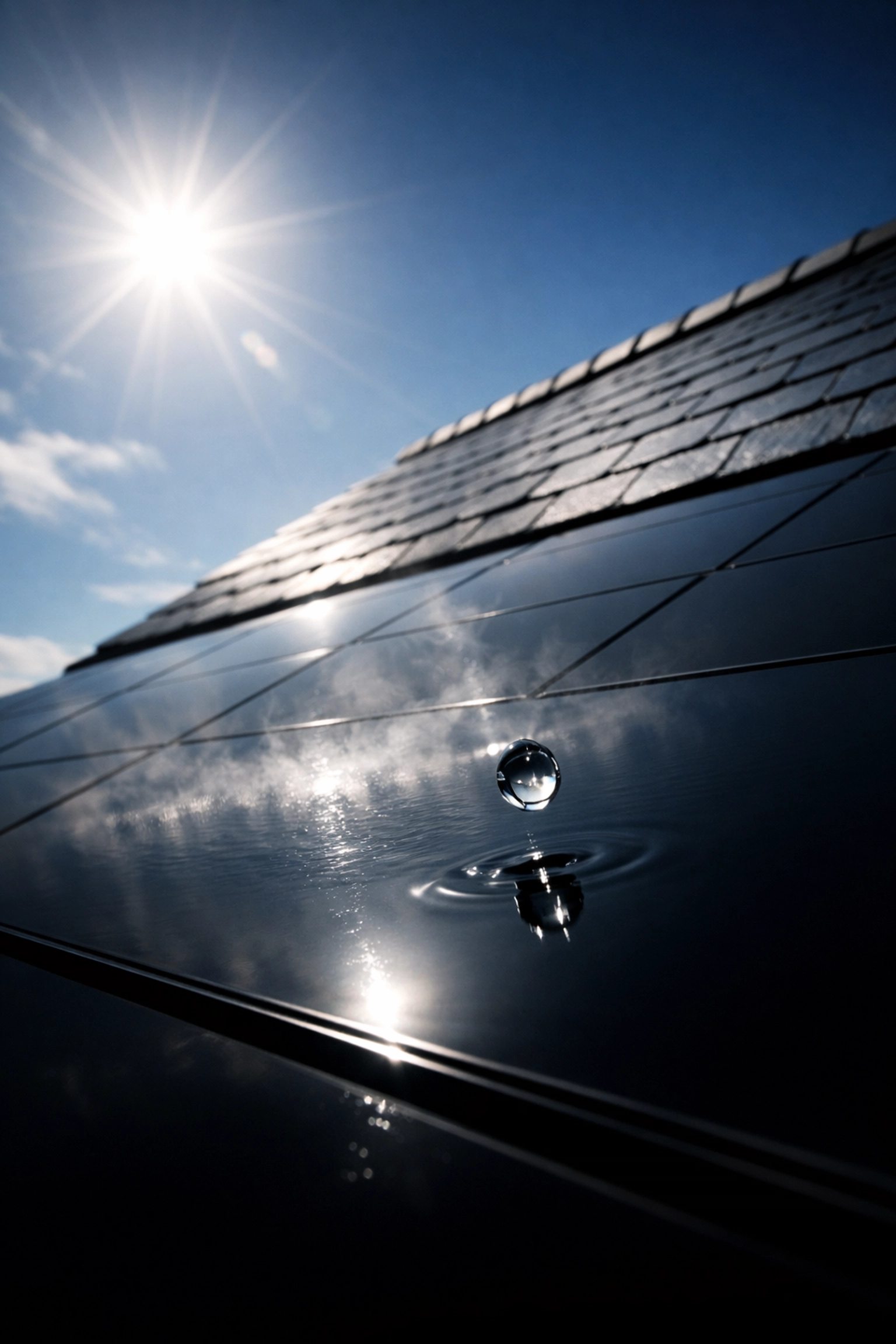
This is perhaps the most dangerous mistake you can make. On a typical summer day, the surface temperature of your solar panels can easily exceed 65°C. Hitting that glass with cold water from a tap (usually around 10–15°C) causes a phenomenon called "thermal shock."
The rapid contraction of the glass can lead to microscopic fractures: known as micro-cracks: within the silicon cells. You won't see them with the naked eye, but they create "dead zones" in your panels that permanently reduce energy production.
The Fix: Always schedule cleaning for the early morning or late evening when the panels are cool. If the glass is cool to the touch, you’re safe to proceed.
2. Using Harsh Chemicals or Household Cleaners
We all have that bottle of window cleaner or heavy-duty degreaser in the cupboard. It works wonders on the conservatory, so why not the solar panels?
The problem is that high-quality Tier-1 panels come with a specialised anti-reflective (AR) coating. This coating is designed to help the cells absorb as much sunlight as possible rather than reflecting it away. Harsh chemicals, vinegar, or abrasive soaps can strip this coating or leave a filmy residue.
Once that coating is compromised, your efficiency drops, and it’s not something you can just "wipe back on." Furthermore, using unapproved cleaners is one of the quickest ways to void your manufacturer’s warranty.
The Fix: In the UK, our rainfall does a lot of the heavy lifting. If you must clean them, use plain deionised water and a very mild, solar-specific soap if absolutely necessary. You can find more details in our guide on how to clean solar panels on your roof.
3. The Scourge of Abrasive Brushes
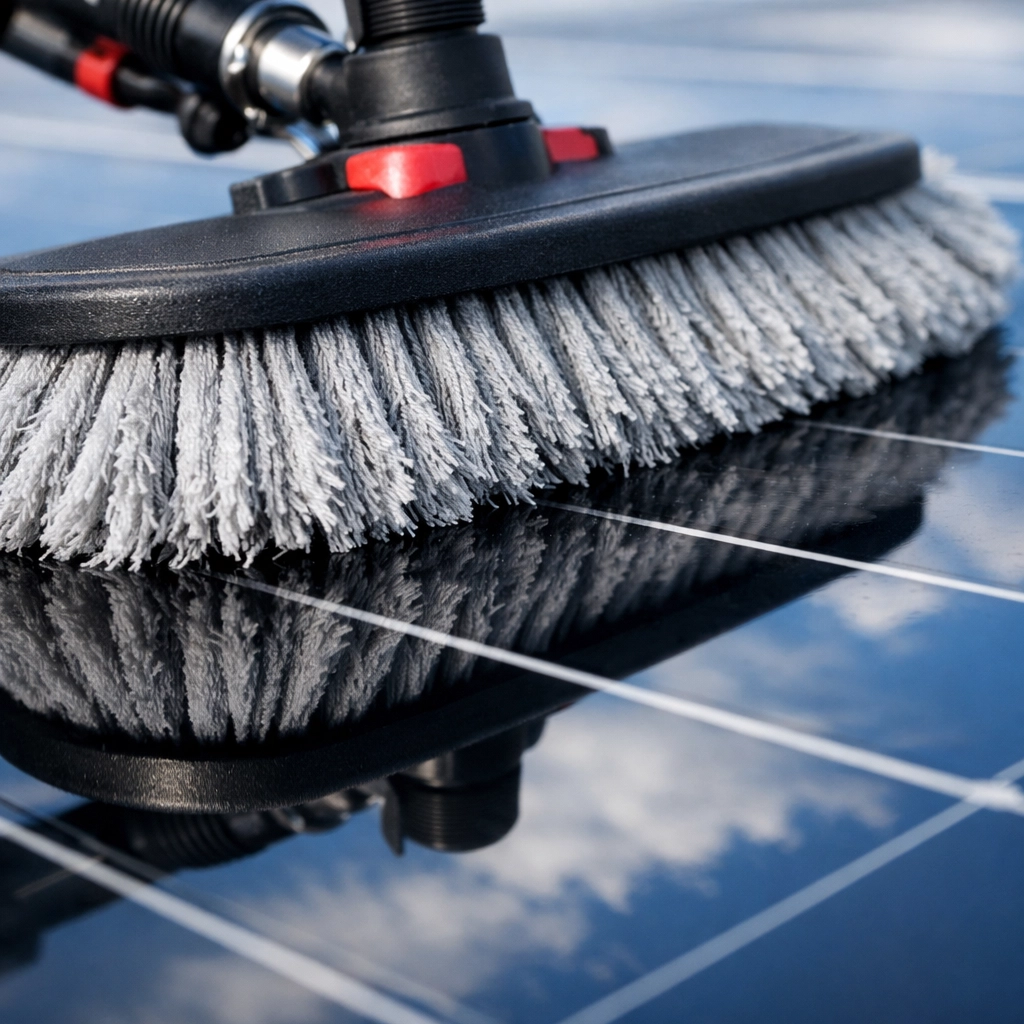
It’s tempting to use a stiff-bristled broom to shift stubborn bird droppings or lichen. However, solar glass is tough but not invincible. Abrasive brushes, steel wool, or rough sponges can create fine scratches on the surface.
Think of it like a scratched pair of spectacles; it scatters the light. Instead of the photons hitting the silicon cells directly, they get bounced around by the scratches. Over 25 years, that cumulative loss in light absorption can cost you a significant amount of money in lost generation.
The Fix: Use a soft-bristle brush specifically designed for solar panels or a water-fed pole system with a microfiber head. If you’re unsure, it’s always better to consult a professional than to risk permanent surface damage.
4. Walking on Your Panels
This might seem obvious, but you’d be surprised how often it happens during roof repairs or "DIY" cleaning sessions. Modern panels are designed to withstand heavy snow loads and wind, but they are not designed to support the concentrated weight of a human being.
Walking on a panel causes the silicon wafers inside to flex. This leads to micro-cracks that eventually develop into "hot spots." These hot spots can become so hot they actually burn through the backsheet of the panel, posing a genuine fire risk and requiring a full panel replacement.
The Fix: Never step on your panels. If you have a large array that is difficult to reach, use a telescopic cleaning pole or hire a professional team with the right access equipment.
5. Ignoring Hard Water Problems
If you live in a hard water area: common across much of South East England: your tap water is full of minerals like calcium and magnesium. When you spray your panels and the water evaporates, it leaves behind a white, chalky residue known as limescale.
Over time, this limescale bakes onto the glass, creating a "shading" effect that is much harder to remove than simple dust. It can be just as detrimental to your system's output as actual shade from a tree.
The Fix: If you are DIY cleaning, use a water softener attachment or, better yet, use deionised or distilled water. Professional solar cleaners use "pure water" systems that have been filtered to 0 parts per million (ppm) of dissolved solids, ensuring a spot-free finish.
6. Skipping Safety Measures
Working on a roof is inherently dangerous. Between sloped surfaces, wet tiles, and the presence of high-voltage DC electricity, there are plenty of common problems with solar panels that start with poor safety.
In the UK, many DIYers underestimate the risk of a fall or the complexity of the electrical system. Solar panels are "always on" when the sun is out, meaning the cables are live. Damaging a cable while cleaning or trying to "tweak" the mounting system can lead to electrical shocks or arc flashes.
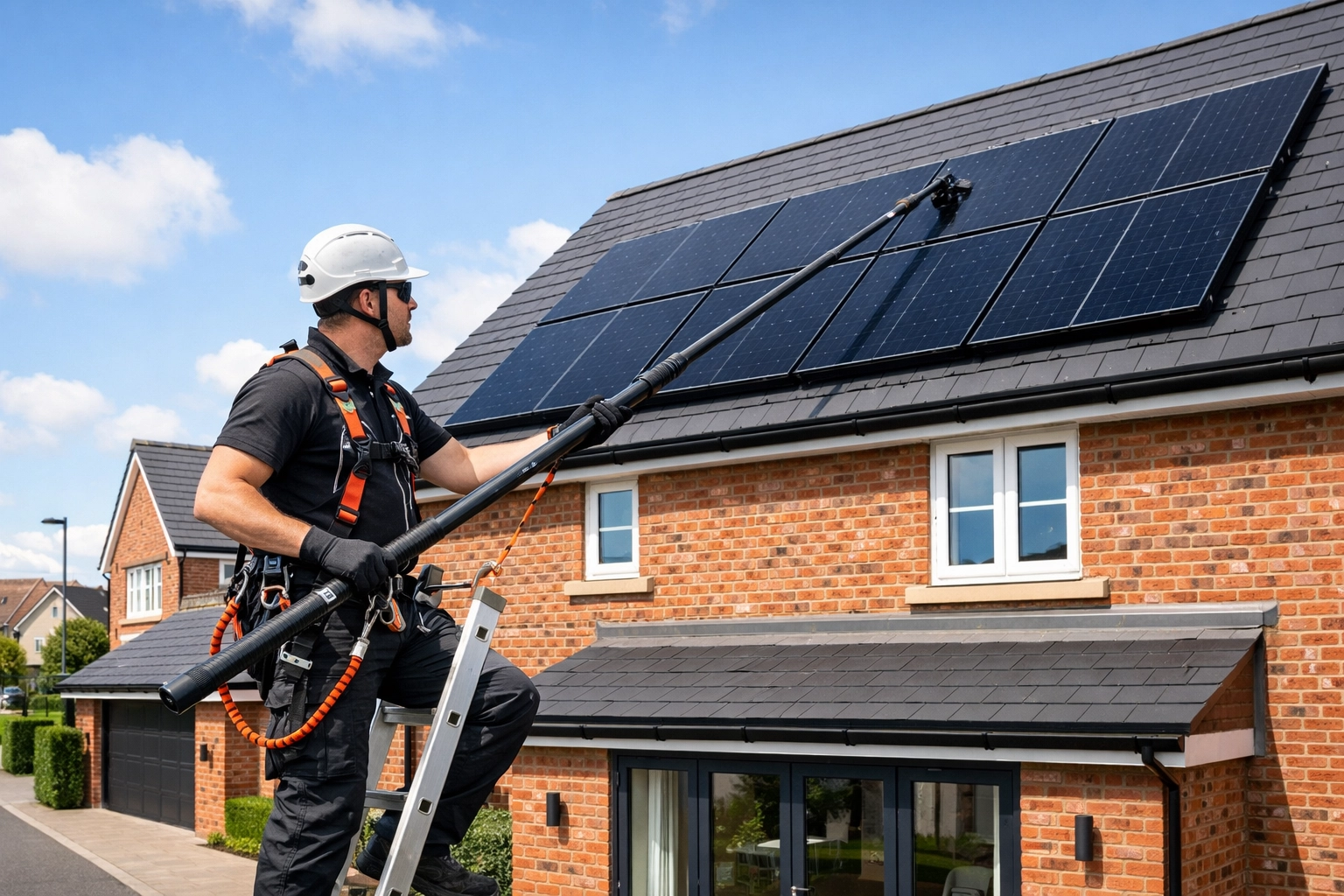
The Fix: Safety first. Use a telescopic pole from the ground or from a secured ladder. If the job requires getting onto the roof, it’s time to call in the specialists who use proper fall protection and have the technical expertise to navigate the electrical components safely.
7. The "Set and Forget" Mentality
The biggest mistake isn't necessarily doing something wrong: it's doing nothing at all. Many homeowners assume that because their system has no moving parts, it doesn't need to be checked.
A system might be "working," but is it working at 100%? Small issues like a failing string of cells, a loose connection, or a build-up of debris behind the panels (which can attract nesting pigeons) can slowly degrade performance. Without regular monitoring and periodic health checks, you could be losing 10–15% of your generation without even realising it.
The Fix: Embrace technology. Use your monitoring app (like the SolarEdge or Tesla platforms) to check your daily production. If you see a sudden dip that isn't explained by the UK weather, it’s time for an inspection.
| Action | Frequency | Why it matters |
|---|---|---|
| App Monitoring | Weekly | Catches sudden drops in performance early. |
| Visual Check | Every 6 Months | Look for debris, bird nests, or visible damage from the ground. |
| Professional Clean | 1–2 Years | Removes stubborn grime and hard water deposits. |
| System Health Check | Every 3–5 Years | Ensures electrical connections are tight and components are safe. |
The Role of Certifications and Tier-1 Equipment
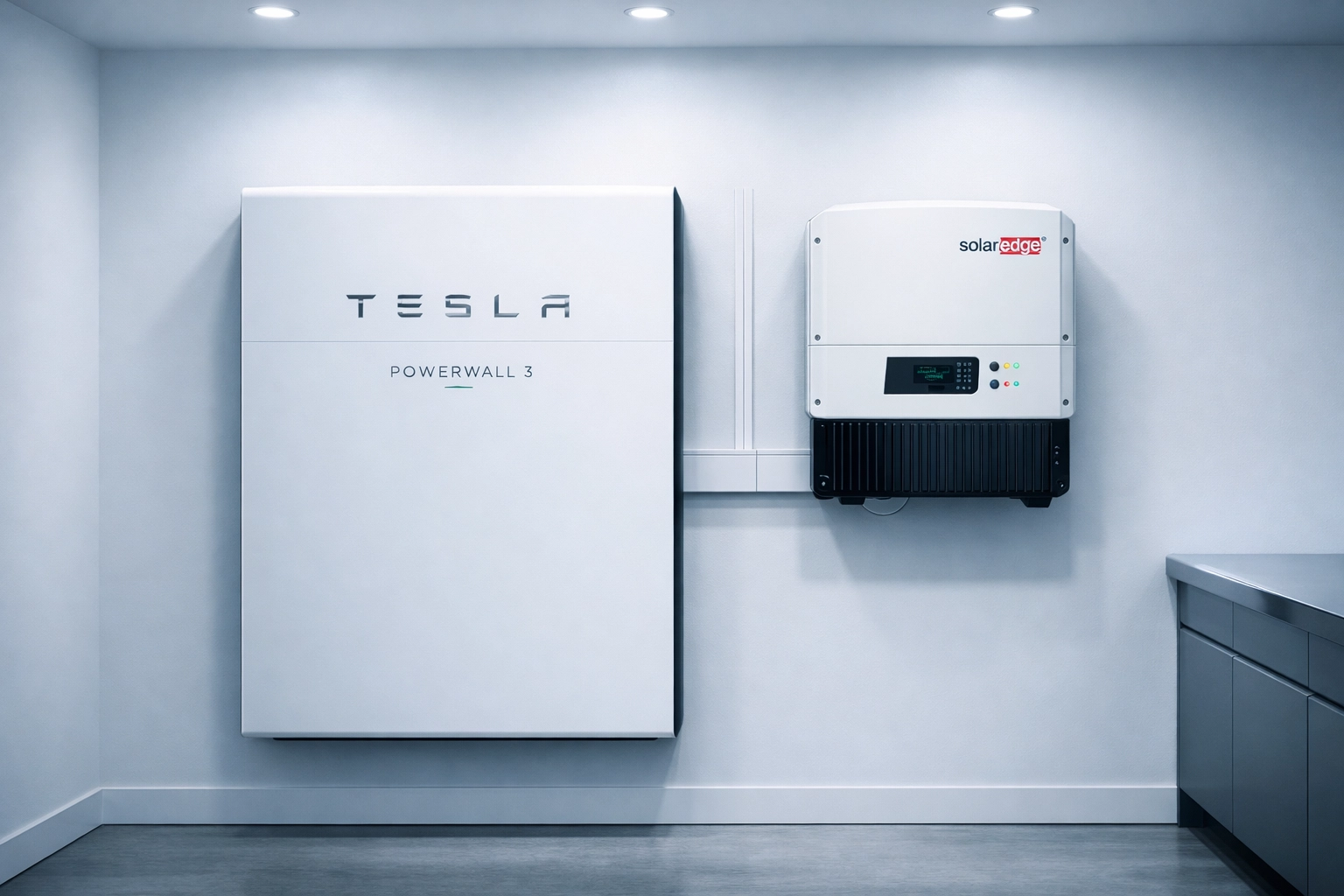
When we talk about 25+ years of performance, the equipment itself is the foundation. This is why at DES Renewable Energy, we only install Tier-1 equipment. Brands like Tesla and SolarEdge don't just offer better performance; they offer robust warranties that actually mean something a decade down the line.
However, a warranty is often only valid if the system was installed by an accredited professional. This is where MCS and NAPIT certifications come into play. These aren't just badges; they are your guarantee that the system meets UK safety and quality standards. If "Solar Cowboys" installed your system incorrectly, even the best aftercare won't save you from hardware failure.
Investing in the Long Haul
The transition to a green home is one of the best financial and environmental decisions you can make. By avoiding these seven mistakes, you aren't just "maintaining" a system; you are protecting a high-yield asset.
Remember, solar aftercare is about more than just a clean surface. It’s about ensuring the entire ecosystem: from the panels on the roof to the inverter and the battery storage: is operating in harmony.
If you’re concerned about your system’s performance or it’s been a while since your last professional health check, don’t leave it to chance. At DES Renewable Energy, we specialise in high-end, future-proof installations and the long-term support required to keep them running at peak efficiency.
Ready to ensure your system is performing at its best? Contact our team today for a professional health check or to discuss upgrading your system with the latest Tier-1 technology. Let's make sure your solar journey is a successful one for the next 25 years and beyond.