


The UK solar industry is currently in the middle of a gold rush. With energy prices remaining volatile and a national push toward Net Zero, thousands of homeowners are looking to the skies to power their homes. But where there is high demand, there are inevitably those looking to make a quick profit at the expense of quality.
We call them "Solar Cowboys": companies that appear overnight, offer prices that seem too good to be true, and disappear just as quickly when your inverter stops working three years down the line.
Choosing a solar partner is a 25-year commitment. It is one of the most significant investments you will make in your property. To ensure your investment actually delivers the returns you expect, you need to navigate past the marketing fluff. Here are the seven most common mistakes homeowners make when choosing an installer, and how you can ensure you’re partnering with a specialist rather than a cowboy.
1. Choosing Based on the Lowest Quote Alone
It is human nature to want a bargain, but in the world of renewable energy, the "cheapest" quote is almost always the most expensive in the long run.
A low-ball quote usually means the installer is cutting corners in one of three areas: component quality, installation safety, or business longevity. If a quote is £2,000 cheaper than three others, ask yourself why. Are they using "no-name" panels with poor degradation rates? Are they using budget mounting systems that might compromise your roof’s integrity during a British gale?
The True Cost of Cheap Solar
| Feature | Tier-1 Specialist (e.g., DES) | Solar Cowboy |
|---|---|---|
| Panel Quality | High-efficiency, 25-year performance warranty | Budget panels, high degradation rates |
| Inverter Tech | SolarEdge or Tesla (optimised) | String inverters (vulnerable to shading) |
| Mounting | Stainless steel/Aluminium (Weather-rated) | Potentially low-grade steel or generic kits |
| Workmanship | Fully insured, certified experts | Sub-contracted, rushed labour |
Instead of looking at the upfront cost, look at the solar panel investment over 25 years. A system that generates 10% more energy and lasts 10 years longer is significantly more valuable than one that saves you a few hundred pounds today.
2. Failing to Verify MCS and NAPIT Certifications
In the UK, certifications aren't just "nice to have": they are essential for your financial security. The Microgeneration Certification Scheme (MCS) is the industry standard. If your installer is not MCS certified, you will face two major hurdles:
- No SEG Payments: You will be unable to sign up for the Smart Export Guarantee (SEG), meaning you won't get paid for the excess energy you send back to the grid.
- Insurance Issues: Many home insurance providers require proof of MCS certification for solar installations.
Furthermore, NAPIT or NICEIC registration ensures the electrical work meets Part P building regulations. A "Solar Cowboy" might claim to "work to MCS standards" without actually being certified. Always ask for their certification number and verify it on the official MCS website.
3. Ignoring the "Solar Aftercare" Factor
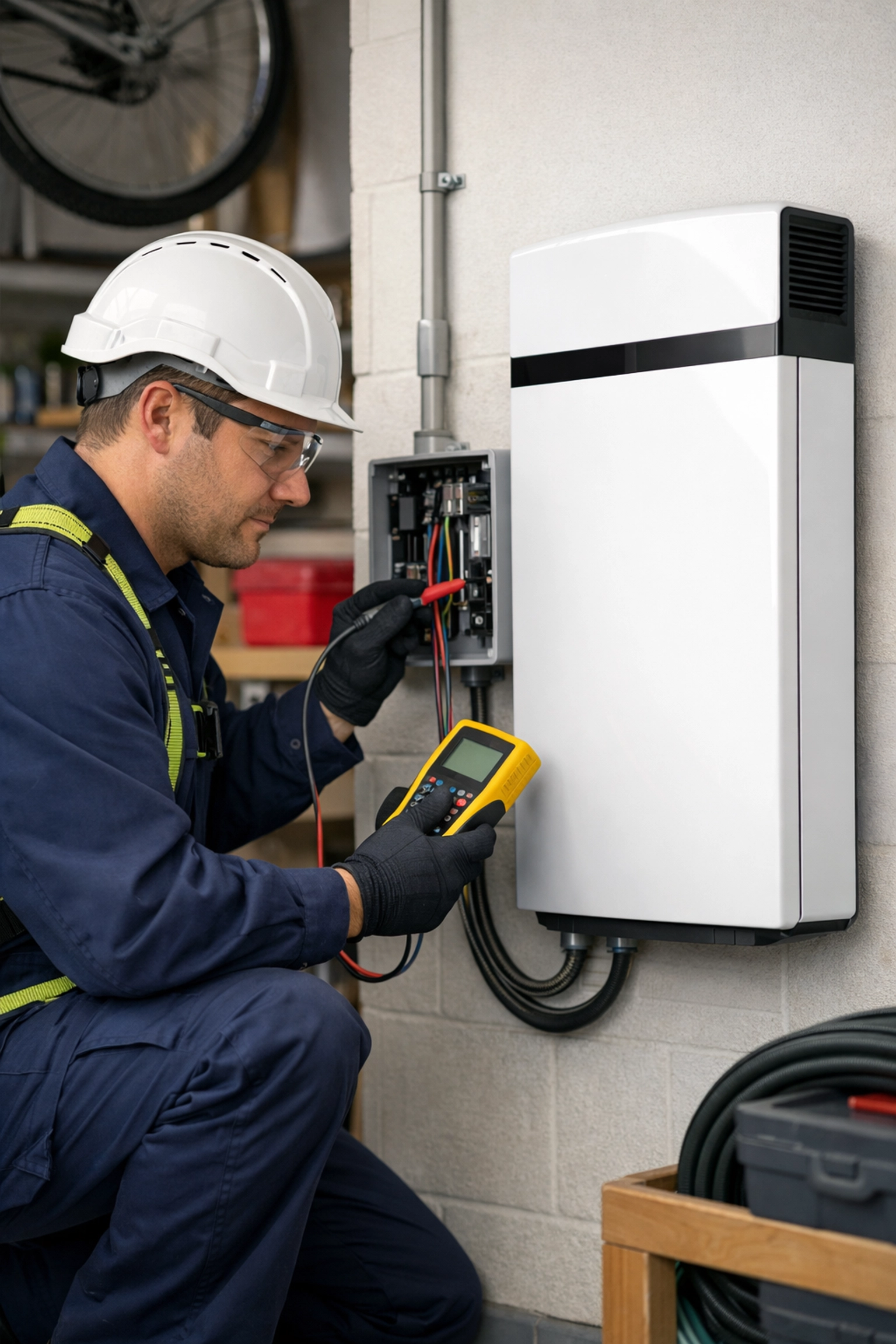
Installing the panels is only the beginning. Solar systems are incredibly reliable, but they aren't "fit and forget." Over 25 years, components may need firmware updates, or an inverter might require a warranty claim.
Many homeowners fail to ask: "Who do I call if my system stops producing energy in 2031?"
A specialist partner provides comprehensive solar installation maintenance and monitoring. At DES Renewable Energy, we use smart monitoring platforms that allow us to see how your system is performing in real-time. If a single panel underperforms, we often know before you do. A cowboy company, however, often lacks a dedicated service department. Once the final invoice is paid, they are onto the next lead, leaving you stranded if a fault occurs.
4. Falling for High-Pressure Sales Tactics
If a salesperson tells you that a "government grant" is ending tomorrow, or that you must "sign today to secure a 30% discount," walk away.
Professional solar firms operate on technical merit and data-driven consultations, not high-pressure scripts. A reputable partner will:
- Conduct a detailed site survey.
- Provide a realistic generation report based on your specific roof orientation and shading.
- Give you time to review the proposal and ask questions.
The goal is to find a partner who acts as an advisor, helping you understand how it works, rather than someone just trying to hit a monthly sales target.
5. Overlooking System Design and Shading Analysis
Solar is not a "one size fits all" product. A common mistake is choosing a partner who provides a quote over the phone without looking at your roof.
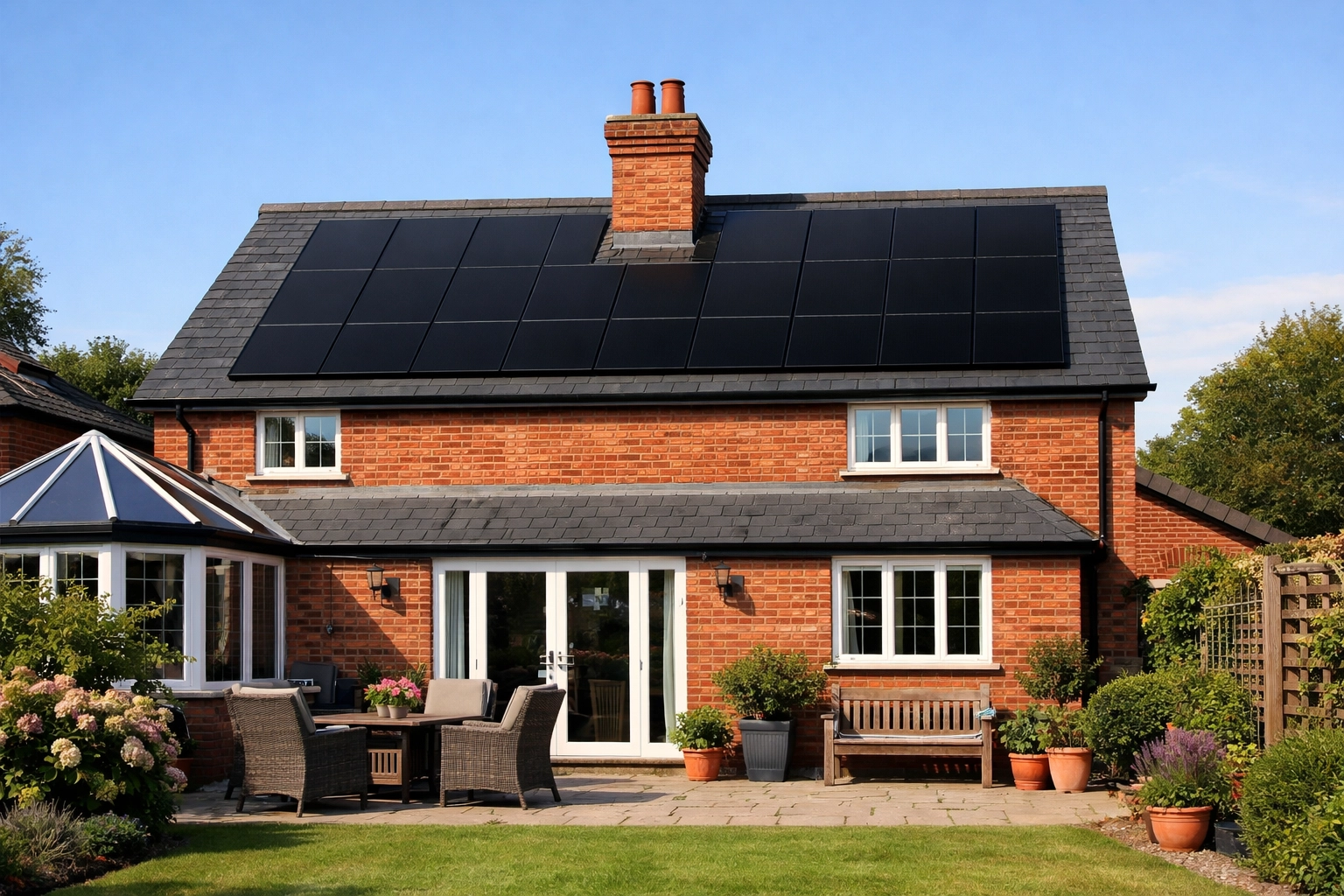
UK weather is famously unpredictable, and UK housing often features chimneys, vent pipes, and nearby trees. If your installer doesn't account for shading, your entire system's performance could be dragged down by a single shadow.
Specialists use advanced 3D modelling software to simulate the sun’s path across your roof throughout the year. This allows us to recommend technologies like SolarEdge power optimisers, which ensure that if one panel is in the shade, the others continue to produce at maximum capacity.
6. Underestimating the Importance of Future-Proofing
Are you planning to buy an EV in the next three years? Do you plan to add an air-source heat pump? Many homeowners make the mistake of installing a system that only meets their current needs, without room for expansion.
Choosing a partner who understands the "Whole Home" ecosystem is vital. This includes selecting the right battery storage. For example, in 2026, the choice often comes down to the Tesla Powerwall 3 vs. the GivEnergy All-in-One.
- Tesla Powerwall 3: Best for high-power demands and seamless integration with Tesla vehicles.
- GivEnergy: A robust, cost-effective UK-based favourite with excellent customer support.
A true renewable partner will help you future-proof your home by installing an inverter and battery setup that can scale as your energy needs grow.
7. Not Handling the DNO Paperwork Correctly
This is the "boring" part of solar that cowboys often skip or mishandle. To connect a solar system to the UK grid, you must have permission from your Distribution Network Operator (DNO): the people who own the wires in your street (e.g., UK Power Networks or National Grid).
For systems over a certain size, a "G99" application is required before installation begins. If an installer puts panels on your roof without DNO approval, they are acting illegally, and you could be forced to disconnect the system. A professional partner handles all technical support and grid applications on your behalf, ensuring your system is fully compliant from day one.
How to Spot a Specialist (The DES Standard)
When you are vetting a potential partner, look for these three hallmarks of a specialist:
- Technical Depth: They talk about kilowatt-hours (kWh) and clipping losses, not just "free energy."
- Local Reputation: They have a physical office and a portfolio of case studies you can actually verify.
- Transparency: They are honest about the payback period: typically 6 to 12 years depending on usage: rather than promising you’ll "never pay an energy bill again."
Choosing the right partner is the difference between a high-tech asset that increases your home's value and a rooftop liability that causes headaches for years.
Ready to do it right?
At DES Renewable Energy, we pride ourselves on being specialists, not salesmen. We focus on Tier-1 equipment, meticulous installation, and long-term aftercare.
If you're ready to explore what a high-quality solar and battery system could do for your home, contact our expert team today or request a bespoke solar quote. Let’s build a system that’s here for the long haul.