


The UK solar market is currently experiencing a gold rush. As energy prices remain volatile and the push toward Net Zero intensifies, thousands of homeowners are looking to the sun to power their lives. But where there is a boom, there are inevitably "solar cowboys": unscrupulous companies looking to make a quick pound by cutting corners, using sub-standard equipment, and disappearing the moment a fault occurs.
Deciding to go solar is a significant investment, often ranging from £5,000 to over £15,000 depending on your battery storage needs. It is a 25-year commitment to your home’s infrastructure. Getting it wrong doesn't just mean a lower return on investment; it can mean structural damage, electrical fires, or a system that becomes a very expensive roof ornament within five years.
At DES Renewable Energy, we see the aftermath of poor installations all too often. To help you navigate this landscape, we’ve put together the seven most common mistakes homeowners make when choosing an installer: and exactly how you can spot a "specialist" from a "cowboy."
1. Choosing the Lowest Quote Without Questioning Why
It is human nature to want a bargain, but in the world of renewable energy, "cheap" is often the most expensive mistake you can make. If you receive three quotes and one is £2,000 cheaper than the others, you need to ask yourself where those savings are coming from.
Usually, a rock-bottom price indicates one of three things:
- Low-grade components: Using "no-name" panels or inverters with high failure rates.
- Unqualified labour: Using sub-contractors who aren't specifically trained in solar PV, rather than in-house specialists.
- Hidden extras: A quote that doesn't include scaffolding, DNO (Distribution Network Operator) applications, or structural surveys.
How to spot the cowboy: They will focus entirely on the price per panel and pressure you to sign immediately to "lock in" a discount. A professional partner, like the team at DES Renewable Energy, will provide a transparent breakdown of costs, explaining the value of the components and the labour involved.
2. Failing to Verify MCS and NAPIT Accreditations
In the UK, certifications aren't just badges for a website; they are essential for your financial and physical safety. The most important is the Microgeneration Certification Scheme (MCS).
If your installer is not MCS certified, you cannot sign up for the Smart Export Guarantee (SEG). This means you won't get paid for the excess energy you send back to the grid: a mistake that could cost you hundreds of pounds every year. Furthermore, many mortgage lenders and home insurance providers now require an MCS certificate as proof that the system was installed to national standards.
Equally important is NAPIT or NICEIC registration, which ensures the electrical work meets Part P building regulations.
The Cowboy Move: They might claim they "work to MCS standards" but aren't actually certified, or they might try to use a third party to "sign off" the work. Always check the MCS installer search to verify your chosen partner is listed.
3. Accepting a Quote Without an On-Site Survey
If an installer gives you a firm price based solely on a Google Maps view of your roof, walk away. While satellite imagery is a great starting point, it cannot tell the whole story.
A professional solar PV installation requires a physical inspection to check:
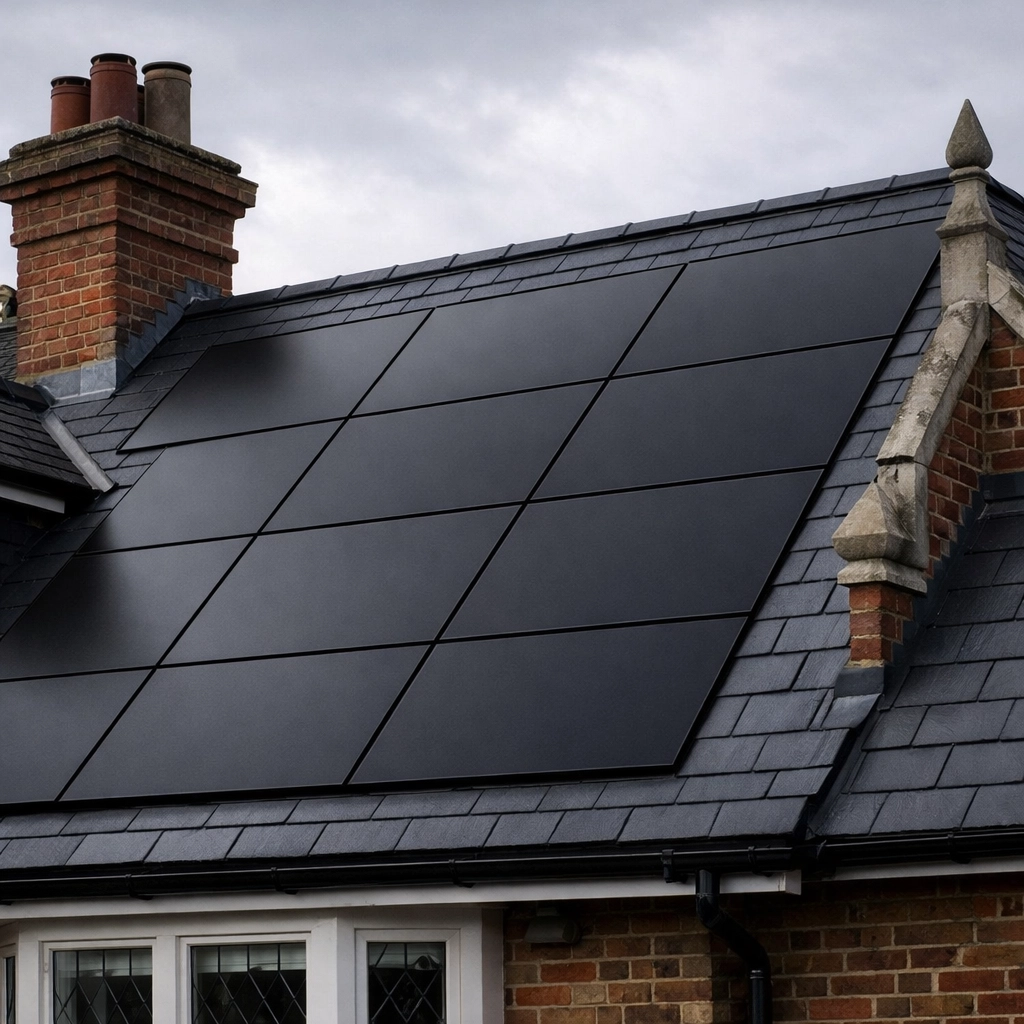
- Roof Integrity: Can your rafters actually support the weight of 10-15 solar panels?
- Internal Electrics: Does your consumer unit (fuse box) have the capacity for a solar inverter and battery?
- Shading Analysis: Small obstructions like a chimney stack or a distant tree can significantly drop your system's efficiency if not accounted for with optimisers.
Red Flag: The installer refuses to visit your home before asking for a deposit. They are guessing the complexity of the job, and you can bet those "guesses" will turn into "unforeseen extra costs" on the day of installation.
4. Investing in "Budget" Equipment Instead of Tier-1
Your solar system is expected to sit on your roof, exposed to British wind, rain, and frost, for over two decades. This is not the place to save money on "budget" brands.
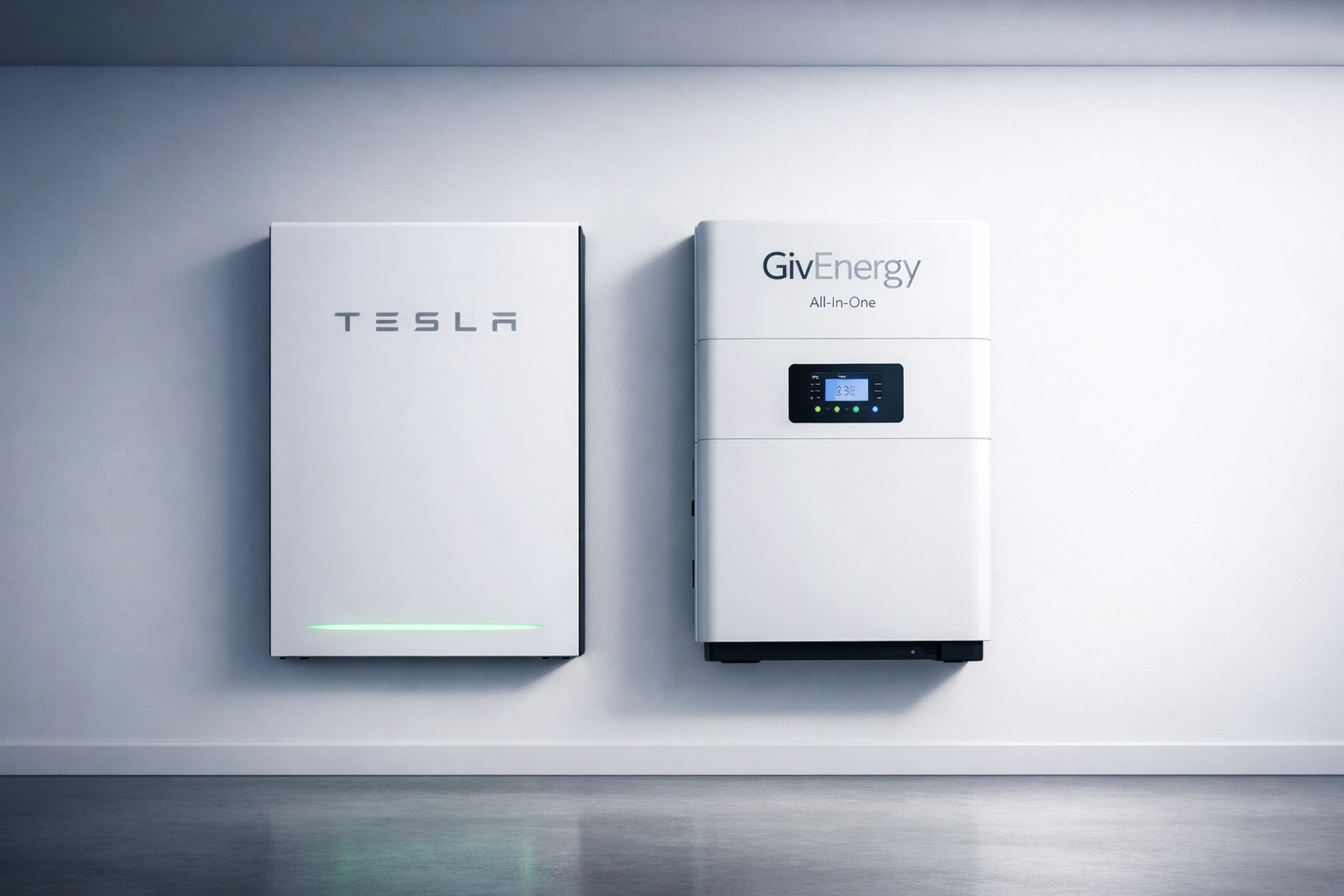
At DES, we focus on Tier-1 equipment from manufacturers like SolarEdge, Tesla, and GivEnergy. Why? Because these companies have the balance sheets to honour their 25-year warranties. If a budget inverter manufacturer goes bust in three years, your "lifetime warranty" is worthless.
In 2026, the technology has moved on. You should be looking at high-performance systems like the Tesla Powerwall 3 or the GivEnergy All-in-One. These systems offer superior depth of discharge, faster charging rates, and better software integration.
Mistake to avoid: Thinking all 400W panels are the same. A Tier-1 panel will have a much lower degradation rate, meaning it will still be producing high levels of power in year 20, whereas a budget panel might have lost 30% of its efficiency by then.
5. Ignoring the DNO Application Process
Every solar installation that can export to the grid must be notified to the District Network Operator (DNO). In many cases, especially with larger systems or battery storage, you need prior permission (G99 application) before the work can even begin.
Cowboys often skip this step or "forget" to mention it because it takes time and paperwork. If you install a system without DNO approval, the grid operator has the legal right to demand you disconnect it.
Ask your installer: "Will you be handling the G99 application and providing me with the confirmation letter from the DNO?" If they hesitate, they aren't the specialists you're looking for.
6. Overlooking Aftercare and Maintenance
Solar is often sold as "fit and forget," but that is a dangerous myth. Like any electrical system, it requires occasional monitoring and maintenance to ensure it’s performing at its peak.
What happens if your inverter stops communicating with your app? Or if a rogue pigeon decides to nest under your panels? Many national "churn and burn" installers have no interest in you once the final payment clears.
A reputable partner offers dedicated technical support and solar PV maintenance. At DES, we pride ourselves on being here for the long haul: helping our customers maintain their systems for 25+ years.
The Cowboy Tell: They have no physical office, no local presence, and no dedicated service department. If their only contact method is a mobile number and a generic Gmail address, proceed with extreme caution.
7. Falling for "High-Pressure" Sales Tactics
"This price is only valid if you sign today."
"We have a cancellation in your area next week, so I can give you a massive discount."
"The government grants are ending tomorrow!" (Note: most direct government grants for solar ended years ago: current incentives are mostly 0% VAT).
These are classic high-pressure tactics designed to stop you from doing your own research. A professional renewable energy consultant will give you a quote, explain the technical aspects, and then give you the space to make an informed decision.

Comparison: The Specialist vs. The Solar Cowboy
| Feature | The Specialist (e.g., DES Renewable Energy) | The 'Solar Cowboy' |
|---|---|---|
| Survey | Thorough on-site structural and electrical survey. | Google Maps "guesstimate" only. |
| Equipment | Tier-1 brands (Tesla, SolarEdge, GivEnergy). | Unbranded or "white-label" components. |
| Accreditation | MCS, NAPIT, RECC/HIES registered. | "Works to standards" but lacks official certs. |
| DNO | Full G98/G99 application handled for you. | Left for the homeowner to "figure out." |
| Warranty | Clear, written labour and product warranties. | Vague verbal promises; "Life-time" claims. |
| Sales Style | Consultative, technical, and patient. | High-pressure, "today-only" deals. |
Why the "Specialist" Approach Wins Every Time
Choosing a specialist like DES Renewable Energy Ltd isn't just about getting panels on your roof; it's about peace of mind. As an Octopus Trusted Solar Installation Partner, we have been vetted to the highest standards in the industry.
We understand the nuances of the UK grid and the specific needs of UK homeowners. Whether you are looking for a SolarEdge installation to maximise power from a complex roof or a GivEnergy system for industry-leading battery capacity, we focus on the technical details that the cowboys ignore.

Final Thoughts: Protecting Your Investment
Solar energy is one of the best investments you can make for your home in 2026. With the right system, you can slash your electricity bills by up to 70% and drastically reduce your carbon footprint. However, the system is only as good as the hands that install it.
Don't be a victim of the "race to the bottom" on price. Look for certifications, insist on an on-site survey, and choose a partner that values aftercare as much as the initial sale.
Ready to start your solar journey the right way?
Avoid the pitfalls and speak to a genuine expert. Get a transparent, no-obligation solar quote today and see the difference that professional engineering makes.
If you have an existing system that isn't performing as it should, our team also provides solar PV insurance repairs to get you back up and running.
Choose quality. Choose longevity. Choose DES Renewable Energy.