


If you're running a business in Dorset, Hampshire, Wiltshire, or anywhere across the South West, you've probably noticed commercial solar panels popping up on warehouses, office buildings, and farms throughout the region. And for good reason: energy costs aren't getting any cheaper, and the South West enjoys some of the highest solar irradiance levels in the UK.
But here's the thing: not every commercial solar installation goes smoothly. We've seen businesses across the region make costly mistakes that eat into their returns, cause headaches down the line, or leave them with systems that underperform from day one.
The good news? These mistakes are entirely avoidable. Let's walk through the seven most common pitfalls we see: and exactly how to sidestep them.
Mistake 1: Skipping a Proper Site Assessment
This one's surprisingly common. A business gets excited about going solar, receives a quote over email based on Google Earth images, and moves forward without anyone actually visiting the site.
The problem? Shading from nearby trees, chimneys, neighbouring buildings, or even your own rooftop equipment can reduce your system's output by up to 30%. That's a massive chunk of your expected savings disappearing before you've even switched the system on.
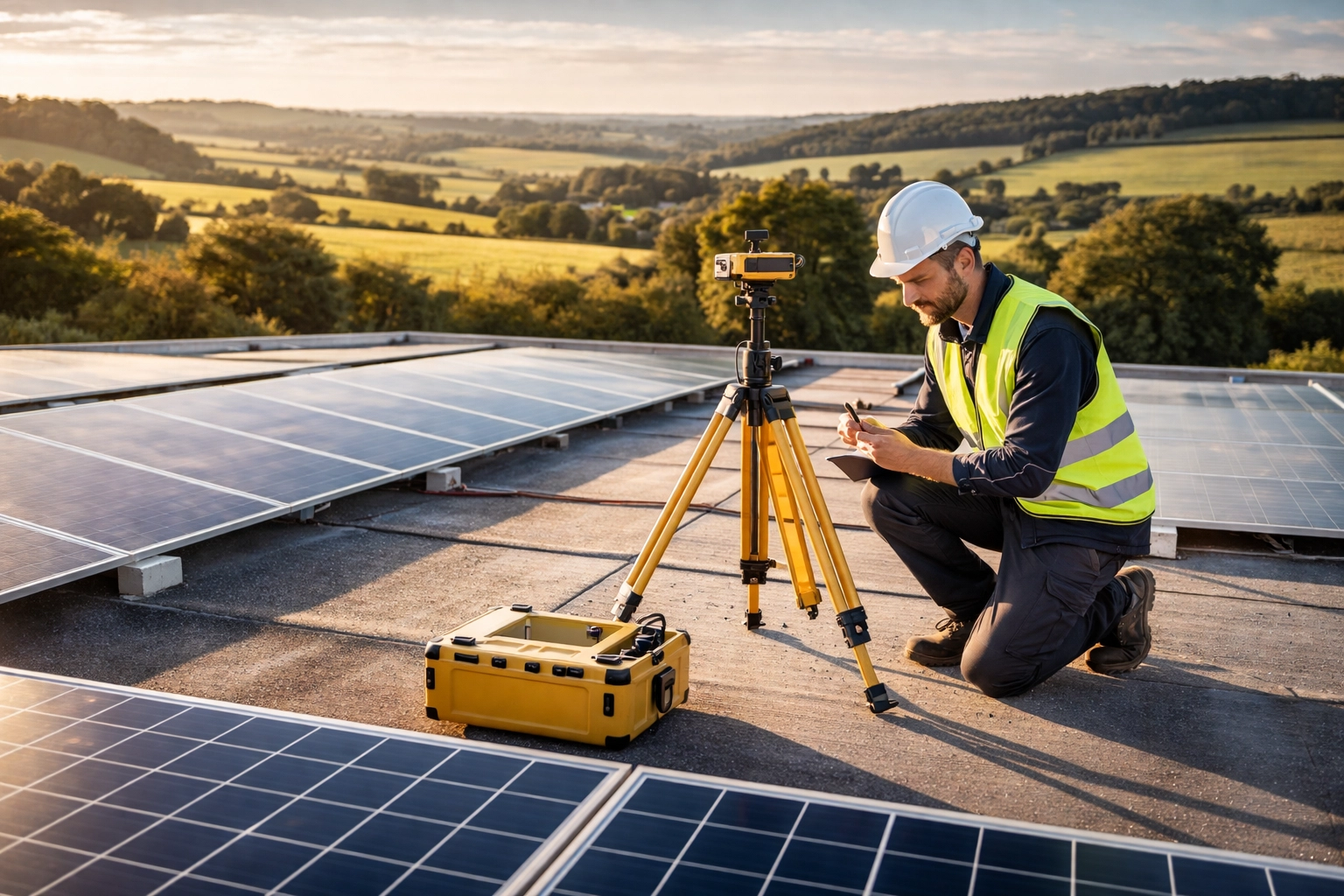
How to fix it: Insist on a comprehensive on-site survey before signing anything. A proper assessment uses specialist tools to map out shading patterns throughout the year and identify the optimal panel placement. At DES, we won't quote a commercial project without walking the site first: it's the only way to give you accurate performance predictions.
Mistake 2: Getting the System Size Wrong
We see this go both ways. Some businesses install a system that's too small to make a real dent in their electricity bills. Others go oversized, spending more than necessary on capacity they'll never use.
Neither scenario gives you a good return on investment.
How to fix it: Start with your energy bills. A good installer will analyse at least 12 months of consumption data to understand your usage patterns: when you use the most power, seasonal variations, and how your demand might change in future. This data-driven approach ensures your commercial solar installation is sized to match your actual needs.
Mistake 3: Choosing Components Based on Price Alone
When you're comparing quotes, it's tempting to go with the cheapest option. But with commercial solar panels, you really do get what you pay for.
Budget panels and inverters often degrade faster, perform worse in low light conditions, and come with shorter warranties. Over a 25-year system lifespan, that "saving" can cost you tens of thousands in lost generation and early replacements.
How to fix it: Look beyond the upfront cost. Ask about panel efficiency ratings, degradation warranties, and inverter reliability. Reputable brands like SolarEdge, Huawei, and Trina offer products designed for commercial environments with proven track records. Your installer should be happy to explain why they've specified particular components.
Mistake 4: Ignoring Roof Condition and Structural Integrity
Your commercial solar panels need to stay up there for 25+ years. If your roof has existing issues: dodgy drainage, worn membrane, or structural weaknesses: installing solar on top of it is a recipe for expensive problems.
We've seen cases where businesses had to remove entire systems just a few years after installation to address roof repairs they should have sorted beforehand.
How to fix it: Get your roof assessed before the solar installation begins. Any necessary repairs or reinforcement should happen first. A quality installer will factor roof condition into their site survey and flag any concerns upfront. It might add to the project timeline, but it protects your investment for decades to come.
Mistake 5: Overlooking Planning and DNO Registration
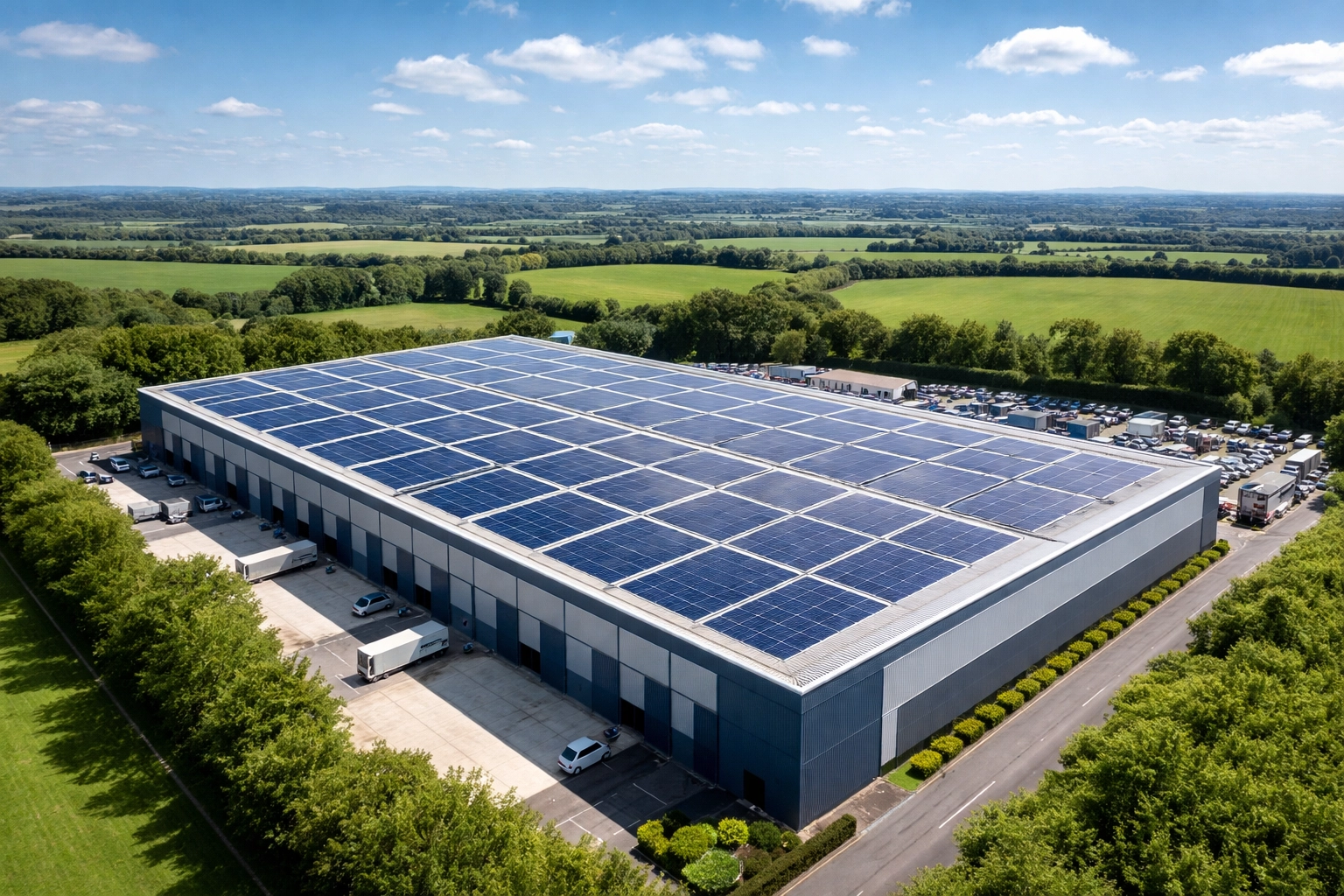
Commercial solar installations often have different requirements compared to domestic systems. Depending on your building type, location, and system size, you may need planning permission. And regardless of size, you'll need to register your installation with the local Distribution Network Operator (DNO).
Skip these steps and you could face penalties, be unable to export excess power to the grid, or even be required to disconnect your system entirely.
How to fix it: Work with an installer who handles the paperwork as part of their service. This includes checking planning requirements, submitting DNO applications, and ensuring all commissioning certificates and compliance documents are in order. It's not glamorous, but it's essential.
Mistake 6: Hiring Unaccredited Installers
This is a big one. The solar industry has its share of cowboys: companies without proper accreditation who cut corners on installation quality and safety.
Beyond the obvious risks of poor workmanship, using an unaccredited installer means you won't qualify for government incentive schemes like the Smart Export Guarantee (SEG). You may also void manufacturer warranties and struggle to get issues resolved down the line.
How to fix it: Always verify your installer's credentials. Look for MCS (Microgeneration Certification Scheme) accreditation as a minimum: this is the industry standard that ensures quality and compliance. Additional certifications like NAPIT demonstrate further commitment to electrical safety standards.
At DES Renewable Energy, we're both MCS-approved and NAPIT-certified, which means our commercial installations meet the highest industry standards and qualify for all available incentive programmes.
Mistake 7: Underestimating Grid Connection Challenges
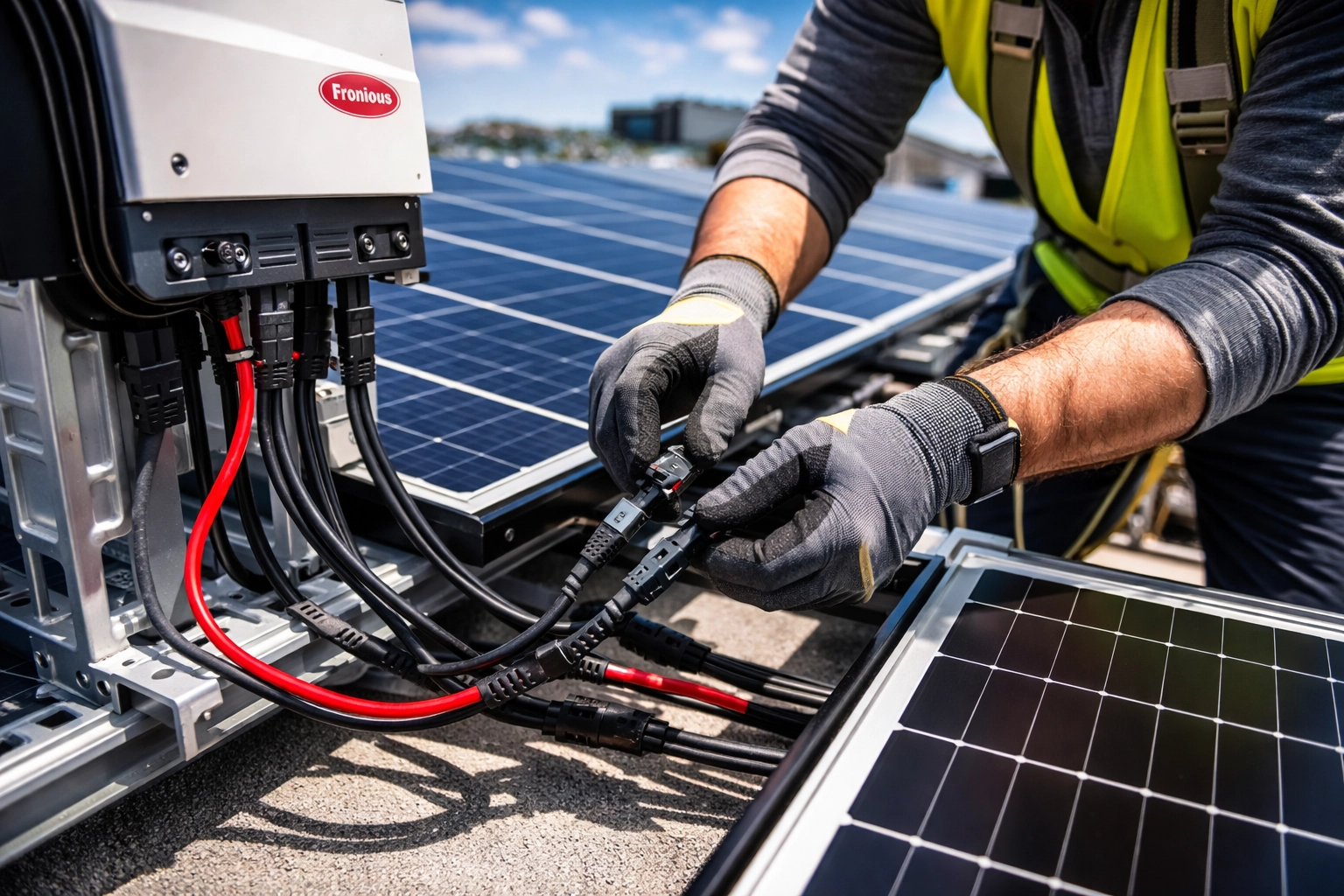
Here's something many South West businesses don't realise: the local electricity grid wasn't designed for large-scale distributed generation. Some areas: particularly in southern England: have already reached capacity.
This can mean delays in getting your system connected, or unexpected costs for grid upgrades that eat into your project budget.
How to fix it: Factor grid connection into your planning from day one. An experienced local installer will know the regional grid constraints and can advise on realistic timelines and any potential upgrade requirements. Starting this conversation early avoids nasty surprises later.
Getting It Right from the Start
Every one of these mistakes has the same root cause: rushing into a commercial solar installation without proper planning and expert guidance.
The businesses that get the best returns from their solar investment are the ones that take time to:
- Choose an accredited, experienced installer with local knowledge
- Insist on thorough site assessments before any quotes are finalised
- Understand their energy usage and size systems accordingly
- Invest in quality components that will perform for decades
- Handle all compliance and paperwork properly from the outset
Commercial solar panels represent a significant investment: but done right, they deliver significant returns. We're talking reduced energy bills, protection against rising electricity costs, lower carbon footprint, and enhanced green credentials for your business.
Ready to Explore Commercial Solar for Your Business?
If you're a business owner in Dorset, Hampshire, Wiltshire, or elsewhere in the South West considering commercial solar installation, we'd love to chat.
At DES Renewable Energy, we've helped businesses across the region make the switch to solar: properly. Our team handles everything from initial site surveys through to installation, DNO registration, and ongoing support.
Get in touch for a free, no-obligation site assessment and let's talk about what solar could do for your business.