


Have you noticed how a headline about tensions in the Middle East or a disruption in global shipping routes suddenly makes your smart meter start sweating? It feels a bit unfair, doesn’t it? You’re sitting in your living room in Dorchester or Bournemouth, yet your monthly outgoings are being dictated by events thousands of miles away.
The reality of 2026 is that the global energy market is more volatile than ever. With ongoing instability in oil-producing regions and shifting geopolitical alliances, the "old way" of simply paying whatever the Big Six energy companies demand is becoming a risky financial strategy. According to recent Cornwall Insight forecasts, UK households are facing projected increases that could see the average annual bill sitting stubbornly high at around £1,973, with some analysts predicting a £332 increase during peak volatility periods.
But here’s the good news: you don't have to be a victim of the global market. As a Dorset homeowner, you are actually sitting on a goldmine of potential energy independence. We’ve put together this easy 5-step guide to help you disconnect from the drama and take control of your own power.
Step 1: Understand the "Why" Behind the Spike
Before you can fix a problem, you need to understand what you’re up against. Why does a conflict in the Middle East affect the price of a cup of tea in Weymouth? It comes down to Energy Security. The UK still relies heavily on natural gas for electricity generation. When global tensions rise, the price of gas spikes, and because of how our energy market is structured, your electricity price follows suit.
But why should you care about the "Global Volatility" buzzword? Because it’s the primary driver of your inflation. When energy costs go up, everything else follows. By generating your own power, you aren't just saving on your bill; you are insulating your entire lifestyle from international conflict and supply chain breakdowns.
The Reality Check:
- Ofgem Price Caps: These are designed to protect you, but they are reactive, not proactive. They often go up just when you need the heating most.
- Import Dependency: The less energy we import as a nation, the more stable our local economy becomes. By going solar, you’re doing your bit for Dorset’s "Net Zero" goals while protecting your wallet.
Step 2: Harness the "Sunshine State" of the UK
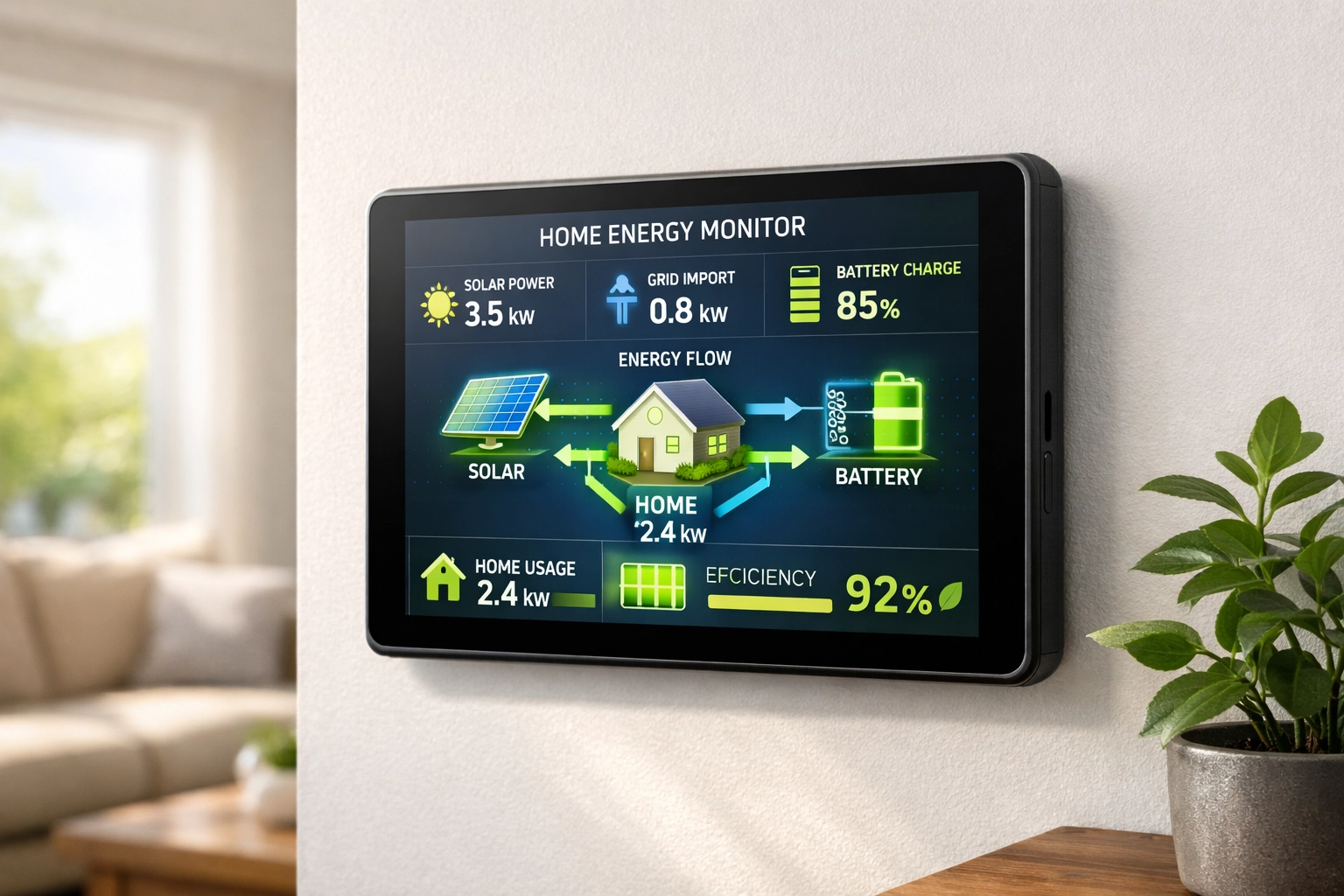
If you live in Dorset, you have a geographical advantage. We often joke about being the "Sunshine State" of the UK, but the data backs it up. The South Coast receives some of the highest solar irradiance levels in the country. This means your roof is essentially an untapped oil well: only cleaner, quieter, and free.
Generating your own electricity through Solar PV is the first physical step toward independence. When you install solar panels, you’re creating a micro-power station. On a bright afternoon in Christchurch, your panels could be producing far more energy than your home actually needs.
"But what if it’s cloudy?"
We hear this a lot, and it’s a valid question! Solar panels don't need direct, scorching heat to work; they need daylight. Even on a typical grey British Tuesday, your system is still harvesting energy. The key is maximizing that harvest through high-efficiency panels. At DES Renewable Energy Ltd, we focus on tech that squeezes every drop of energy out of the Dorset sky.
Step 3: Store Your Power (The True Game Changer)
This is where the magic really happens. If you have solar panels but no battery, you’re likely exporting a lot of your free energy back to the grid during the day while you're at work, only to buy it back at high prices when you get home in the evening.
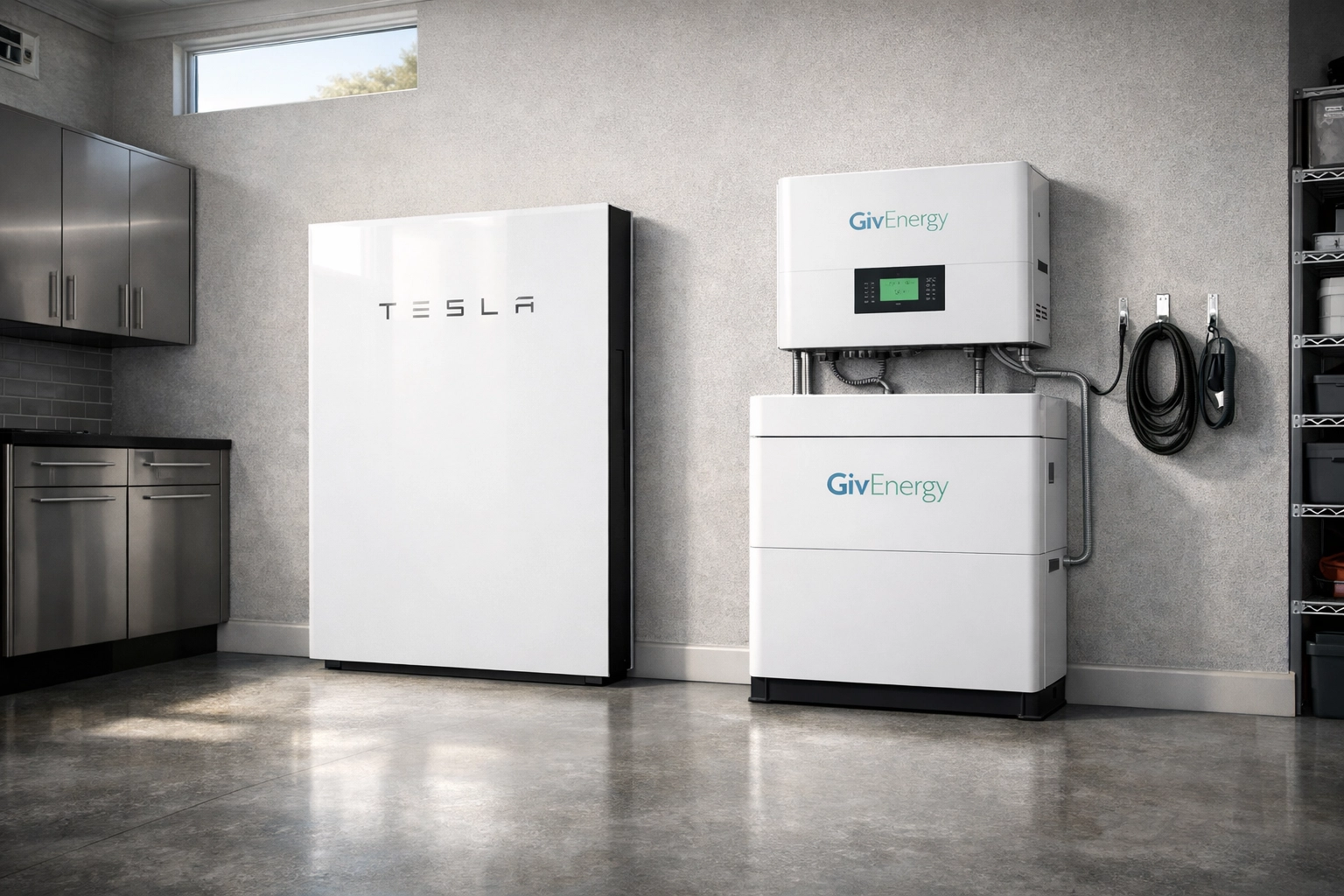
To truly beat global energy spikes, you need a way to keep what you harvest. This is where Tesla Powerwall and GivEnergy systems come into play.
Why Battery Storage is Essential:
- Peak Shaving: Energy prices usually spike between 4 PM and 7 PM. With a battery, you can use your stored solar power during these expensive hours.
- Backup Protection: If global volatility leads to grid instability or brownouts, systems like the Tesla Powerwall can provide seamless backup.
- Arbitrage: Even if your solar panels aren't producing enough (like in the depths of winter), you can "force-fill" your battery from the grid at 2 AM when prices are at their lowest, then use that cheap energy during the day.
| Feature | Tesla Powerwall | GivEnergy All-In-One |
|---|---|---|
| Capacity | 13.5 kWh | 13.5 kWh |
| Power Output | 5kW continuous | 6kW – 7kW peak |
| App Control | Industry-leading Tesla App | Robust GivEnergy Portal |
| Warranty | 10 Years | Up to 12 Years |
Step 4: Smart Management & EV Integration
Independence isn't just about making power; it’s about how you use it. Modern renewable systems are "smart." They can talk to your appliances, your car, and even the weather forecast.
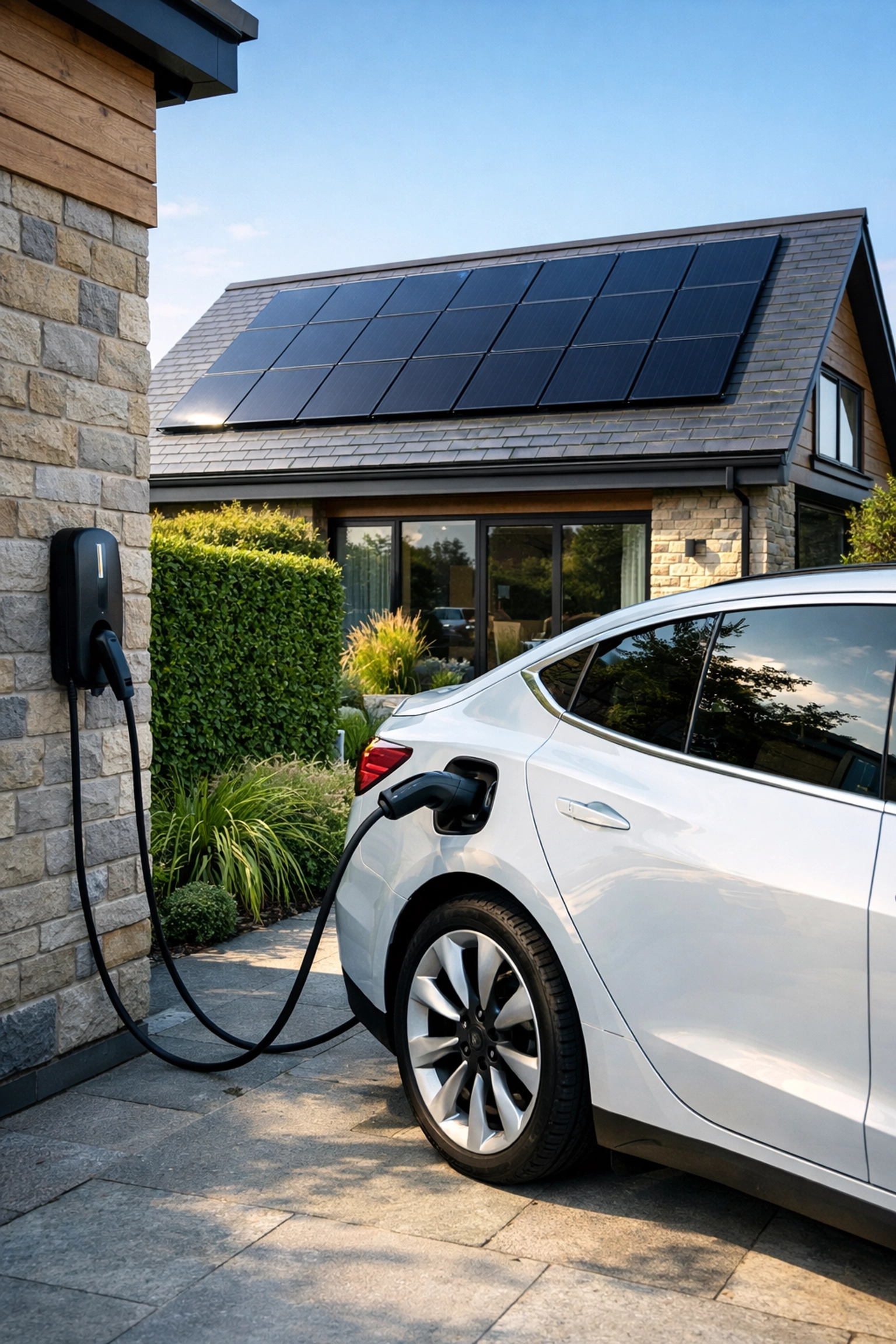
If you’ve made the switch to an Electric Vehicle (EV), your energy independence becomes even more valuable. Charging an EV from the grid at standard rates can be expensive. However, charging it with surplus solar energy or via your Tesla Powerwall means your "fuel" is essentially free.
Think of your home as a smart network. Your system sees a sunny forecast for tomorrow and decides to hold off on charging the battery from the grid tonight, knowing it can fill up for free at 10 AM. This level of automation takes the "work" out of being energy-efficient. It’s technology working for you, rather than you working to pay for the technology.
Step 5: Choose a Partner, Not Just an Installer
The final step in gaining energy independence is ensuring your system is designed correctly for your specific home. A "one-size-fits-all" approach rarely works in the world of renewables. Your roof orientation, your family’s energy usage patterns, and your future plans (like adding an air source heat pump) all dictate what system is best for you.
As expert installers at DES Renewable Energy Ltd, we don’t just "bolt panels to a roof." We look at the whole picture. We understand the local Dorset planning nuances and the specific technical requirements of the UK grid. Whether you are looking for expert help and advice or a detailed solar quote, the goal is to build a system that lasts for 25+ years.
What to look for in a partner:
- MCS Certification: This is non-negotiable for quality and for accessing export tariffs.
- Local Knowledge: We know Dorset. We know the weather, the housing stock, and the local community initiatives.
- Transparency: You should receive a clear breakdown of your projected ROI and how the system will perform during those volatile winter months.
Taking the First Step Toward Security
We understand that looking at the global news can be overwhelming. The feeling that your financial security is tied to things far beyond your control is unsettling: and that's okay. Many of our customers felt the exact same way before they made the switch.
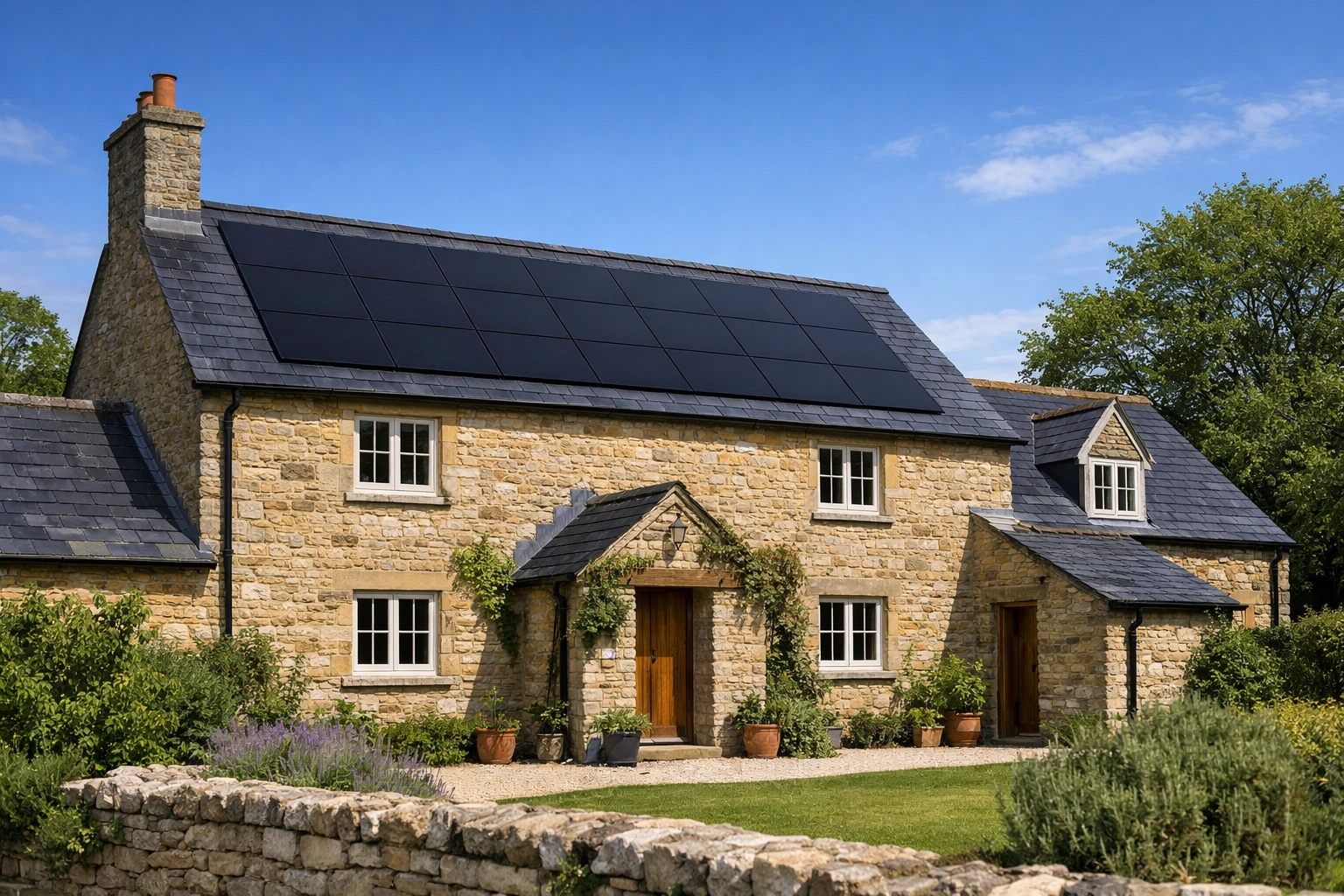
By following these five steps: understanding the market, harnessing the sun, investing in storage, managing your usage, and choosing the right partner: you’re doing more than just saving money. You’re buying peace of mind. You’re ensuring that the next time there’s a spike in global energy prices, your reaction won't be worry; it’ll be a quiet sense of satisfaction knowing your home is powered by the Dorset sun.
Ready to see how you can gain independence? Whether you want to dive into the technical specs of a Tesla Powerwall or you’re just starting your journey and need some financial advice on solar, we’re here to help.
Between you and our team, we can make your home a bastion of energy security. Let's beat those spikes together.
Want to know more?
Explore our commercial case studies to see how we've helped local businesses achieve the same independence, or head over to our how it works section for a deep dive into the tech.